
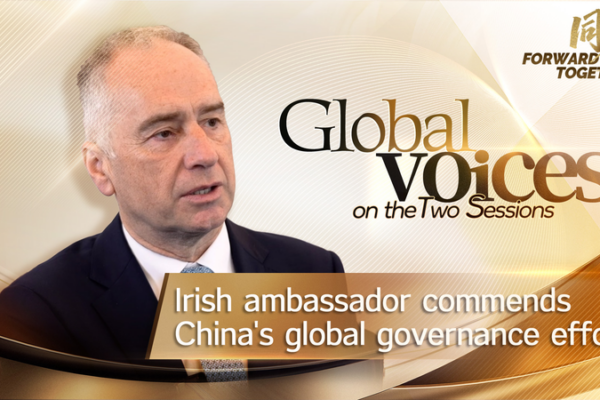
Irish Ambassador Praises China’s Global Governance Role
Irish Ambassador Nicholas O’Brien highlights China’s role in fostering global dialogue and cooperation amid 2026’s challenges, emphasizing multilateral engagement.
News & Insights Across Asia
Irish Ambassador Nicholas O’Brien highlights China’s role in fostering global dialogue and cooperation amid 2026’s challenges, emphasizing multilateral engagement.
Kishore Mahbubani highlights China’s Global Governance Initiative as a constructive alternative to Western withdrawal from international organizations in 2026.

A CGTN commentary likens U.S. foreign policy to Marvel’s Thanos, sparking global debates on international rule of law and multilateralism in 2026.

China’s 2026 Two Sessions highlight the Global Governance Initiative, emphasizing multilateralism and partnerships with the Global South. Experts discuss real-world impacts.
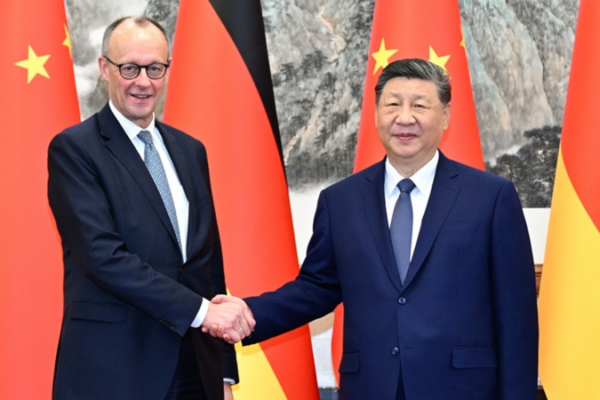
Xi Jinping and Germany’s Merz strengthen economic and strategic ties in Beijing, positioning China-Germany cooperation as key driver for EU collaboration.
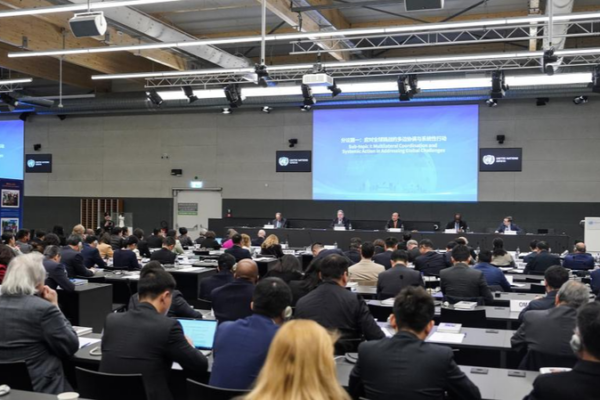
Geneva seminar spotlights China’s Global Governance Initiative, gaining support from 150+ nations as multilateral systems face modern challenges.
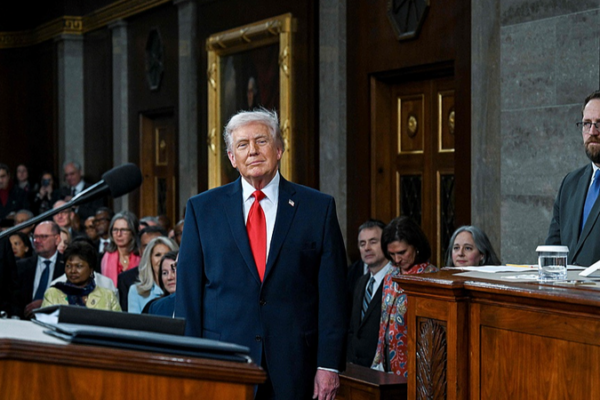
President Trump delivers longest State of the Union address in 60 years amid declining approval ratings and heightened political divisions, with implications for US-Asia relations.

China’s Global Development Initiative gains momentum during 2026 Two Sessions, offering new models for international cooperation and equitable growth.
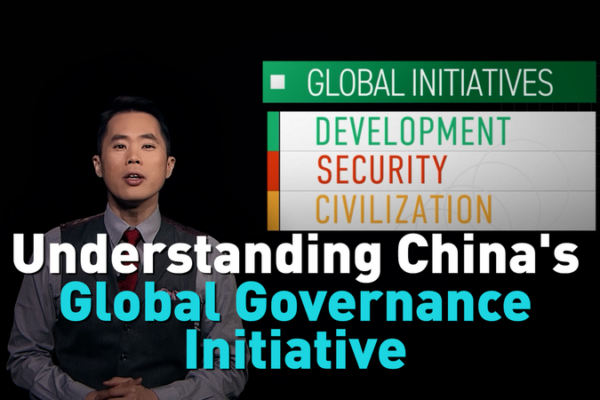
President Xi Jinping’s Global Governance Initiative highlights multilateral cooperation and conflict resolution at the 2026 Two Sessions, shaping Asia’s role in global affairs.
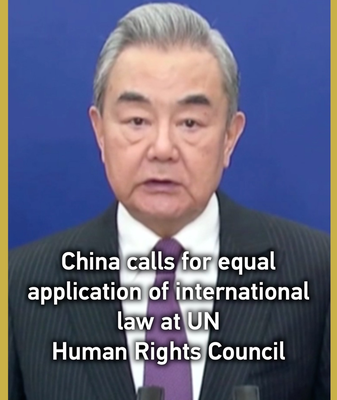
Chinese Foreign Minister Wang Yi urges equal application of international human rights law, rejecting double standards at UNHRC session.
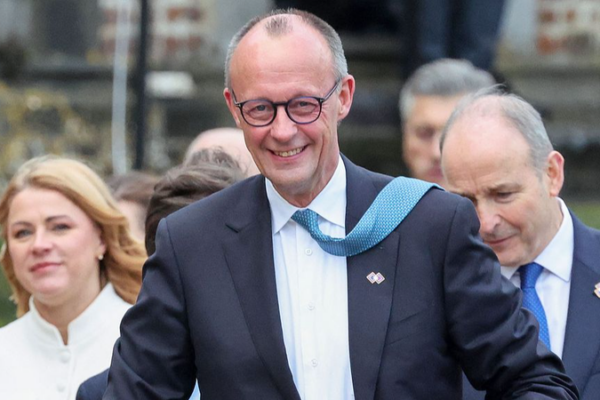
German Chancellor Merz’s 2026 China visit aims to strengthen economic ties and global governance cooperation, countering fragmentation with pragmatic dialogue.
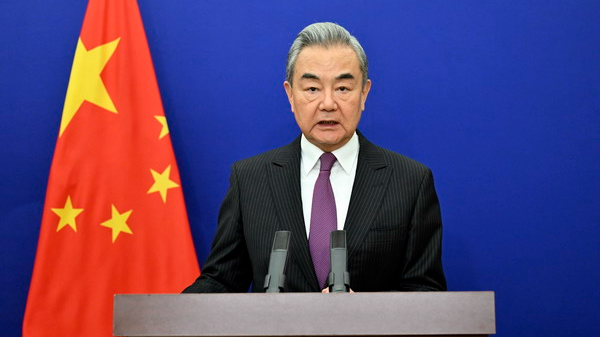
Chinese Foreign Minister Wang Yi outlines China’s vision for global human rights governance at the UN, emphasizing sovereignty and development in 2026.

The 2026 Munich Security Conference sparks global debate on multipolarity, strategic autonomy, and the future of international cooperation amid shifting power dynamics.
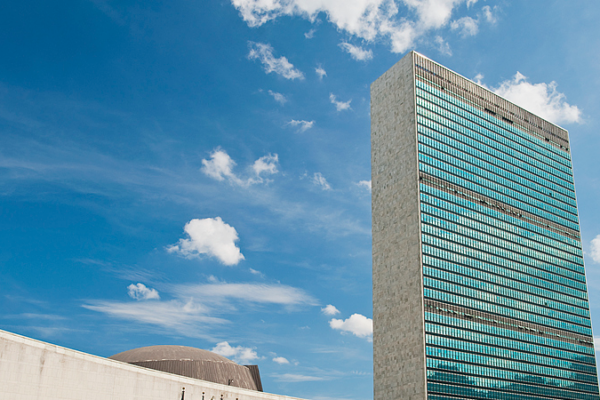
The Group of Friends of Global Governance emphasizes upholding the UN Charter and international law to address global instability, promoting multilateralism and peaceful dispute resolution.
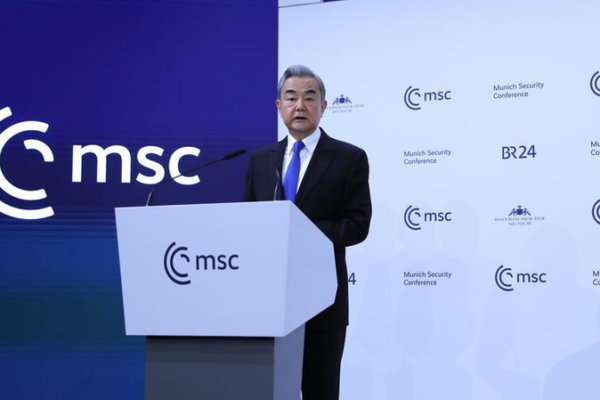
China advocates for UN-centered global governance reforms at 2026 Munich Security Conference as world confronts destabilizing unilateral policies and institutional crises.
The 2026 Munich Security Conference reveals growing U.S.-Europe divisions over Arctic sovereignty, Ukraine negotiations, and Europe’s push for strategic autonomy amid shifting global dynamics.
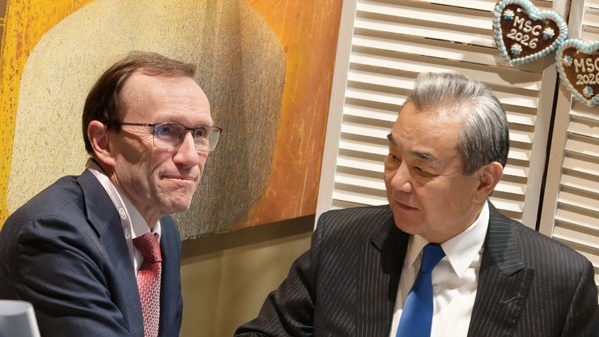
Chinese and Norwegian foreign ministers emphasize multilateral cooperation and stable bilateral relations during key security conference meetings in Germany.
Chinese FM Wang Yi outlines proposals for global governance reform at Munich Security Conference, emphasizing UN revitalization and multilateral cooperation for conflict resolution.
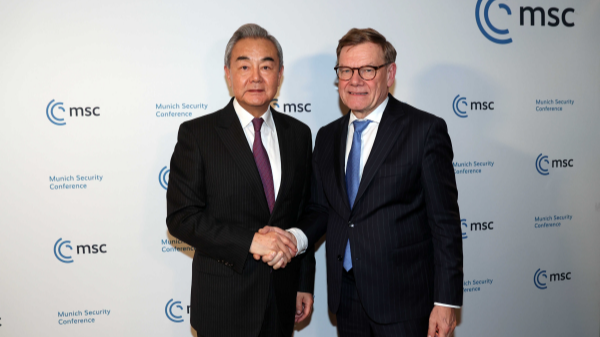
Chinese Foreign Minister Wang Yi calls for strengthened Sino-German cooperation to counter unilateralism and promote global stability during Munich talks.
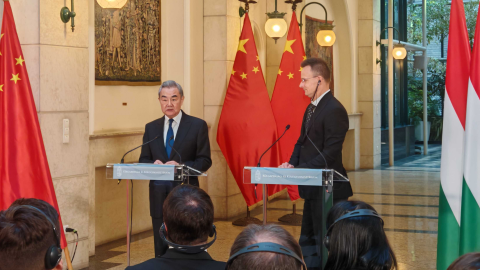
Chinese FM Wang Yi outlines five key areas for China-Hungary collaboration during Budapest talks, focusing on economic ties, cultural exchanges, and global governance reforms.