
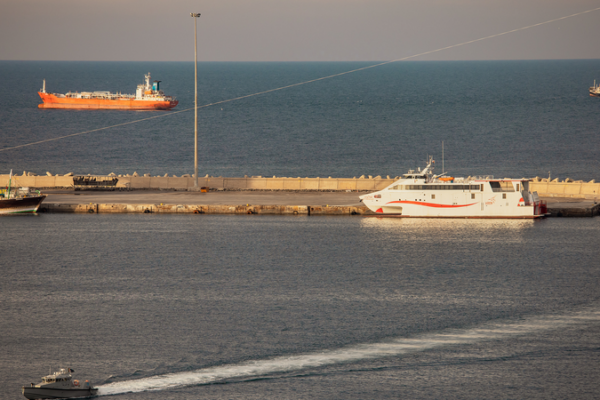
Middle East Tensions Trigger Global Supply Chain Crisis
U.S.-Iran tensions in 2026 disrupt global supply chains through Strait of Hormuz blockade, triggering energy price surges and manufacturing bottlenecks across key industries.
News & Insights Across Asia
U.S.-Iran tensions in 2026 disrupt global supply chains through Strait of Hormuz blockade, triggering energy price surges and manufacturing bottlenecks across key industries.
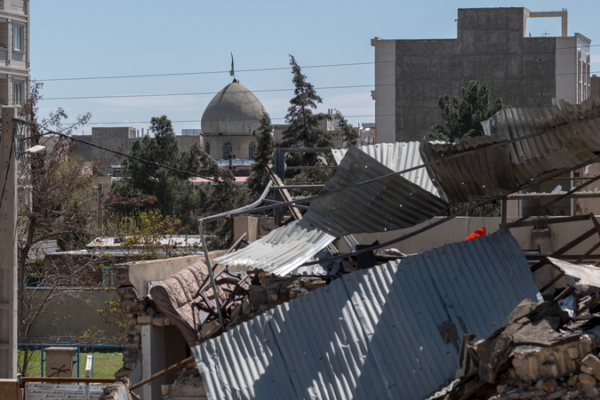
Ongoing US-Iran military conflict triggers historic oil price surge and stock market declines, raising global recession concerns as supply chains falter.

Rising US-Iran tensions disrupt global energy markets and supply chains, with analysts warning of prolonged inflation and shifting trade patterns across Asia in 2026.
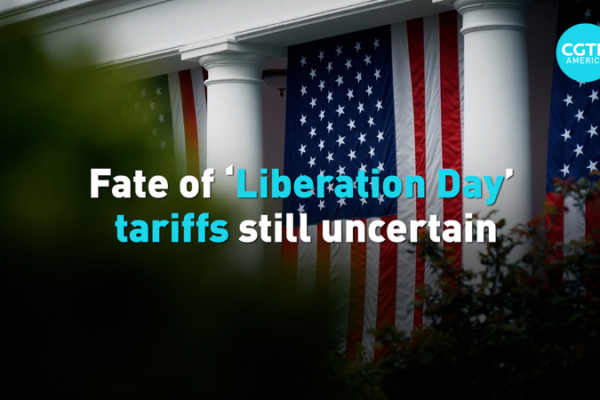
One year after the U.S. Supreme Court ruled Trump’s ‘Liberation Day’ tariffs unlawful, businesses face ongoing trade uncertainty and $23 billion in unresolved refund claims.

US President Trump’s new 100% tariffs on imported pharmaceuticals pressure Asian manufacturers to relocate production or face steep costs, reshaping global supply chains.
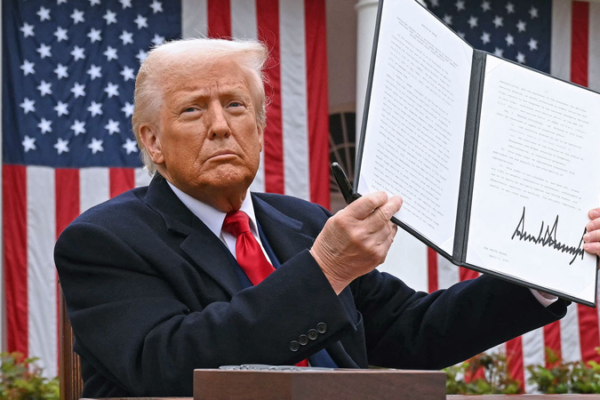
US imposes 100% tariffs on select pharmaceuticals starting July 2026, with exemptions for generics and tiered rates for allied nations. Analysis of global trade implications.

A year after the US imposed ‘Liberation Day’ tariffs, manufacturing declines and political tensions signal more volatility ahead. Analysis of impacts on Asia’s economy.

As China’s 15th Five-Year Plan unfolds, global investors eye opportunities in consumer markets, green tech, and digital innovation. BizTalk’s new series explores key insights.
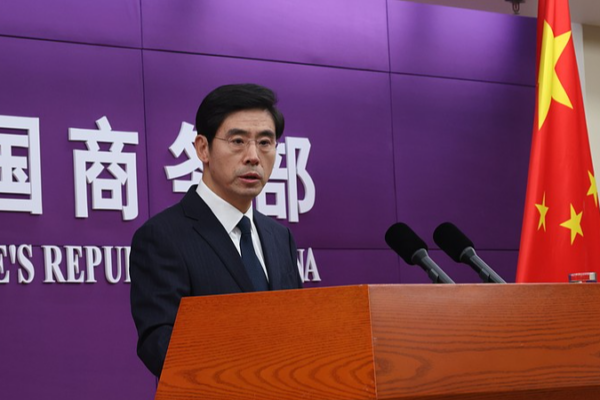
China urges enhanced use of bilateral economic mechanisms with the US, emphasizing dialogue and mutual respect to stabilize trade relations in 2026.
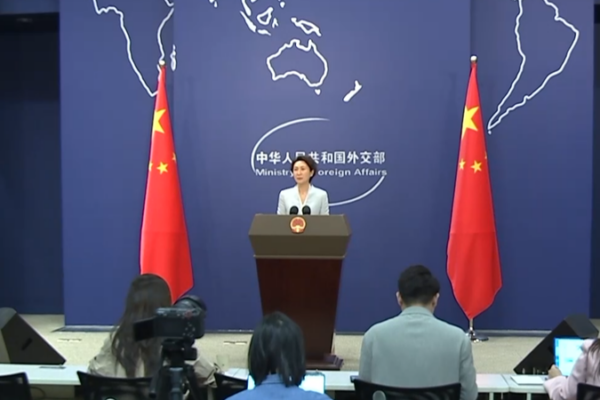
Chinese Foreign Ministry attributes Hormuz navigation issues to US-Israeli military actions, calls for regional ceasefire and global economic stability.

One year after U.S. ‘Liberation Day’ tariffs, economic stagnation and political tensions challenge Washington’s vision. Analysis on global implications.
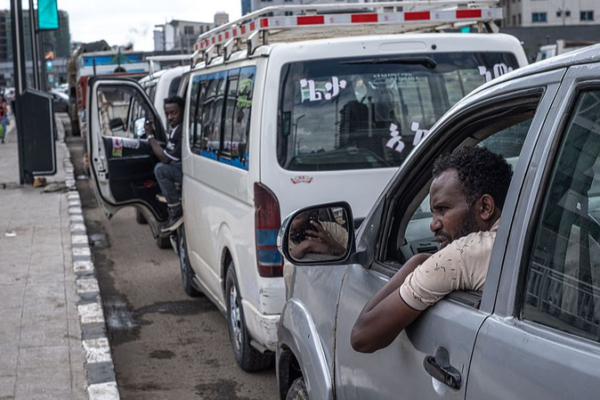
IEA, IMF, and World Bank form coordination group to address economic and energy impacts of the ongoing Middle East conflict, aiming to stabilize global markets.

Egypt’s President Sisi warns Iran conflict could drive oil prices above $200/barrel, urges U.S. intervention to prevent global economic crisis.
Escalating Middle East tensions drive up costs for major fast-food chains, pressuring profits and consumer spending in 2026.
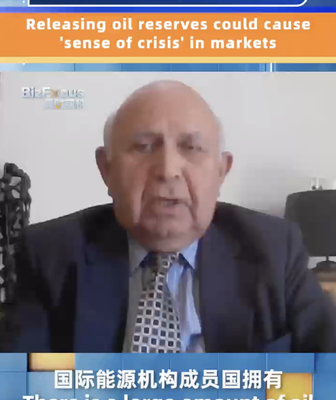
Analyst warns releasing strategic oil reserves may trigger market panic and higher prices, countering intended stabilization efforts. Read more on KhabarAsia.com.
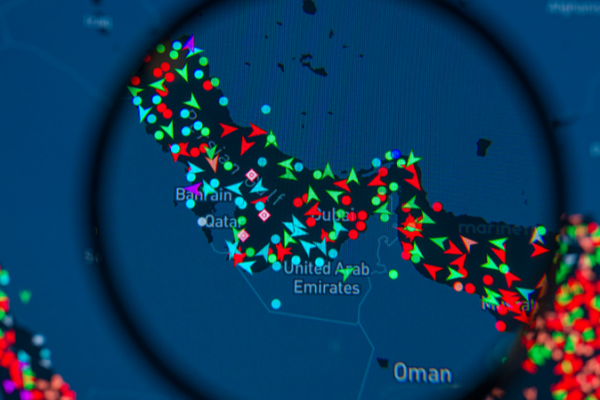
Ongoing Iran conflict disrupts global energy markets ahead of critical OPEC+ meeting, driving inflation and supply chain instability across Asia and Europe.
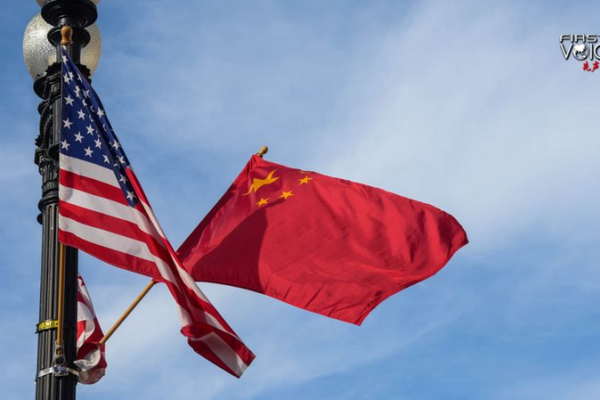
Experts emphasize rebuilding US-China diplomatic exchanges in 2026 to address strategic gaps and prevent economic miscalculations between the world’s largest economies.
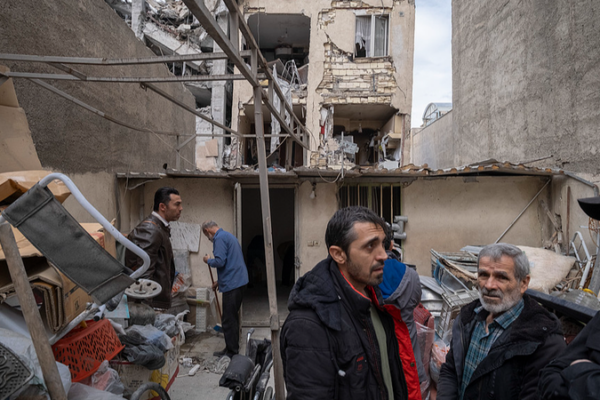
Thousands protest across Greece against US-Israeli strikes in Iran as conflict enters second month, sparking economic and humanitarian concerns.
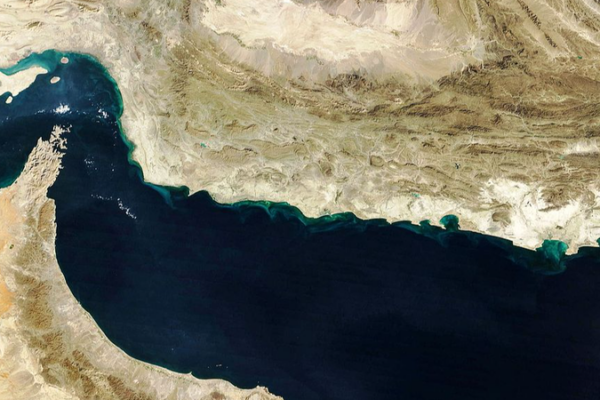
Escalating Middle East tensions disrupt global energy markets, driving oil and gas prices to multi-year highs and straining supply chains worldwide.

Experts debate US global influence amid rising tensions, China’s economic rise, and shifting alliances in Asia. Key insights from CGTN’s 2026 forum.