

IMF Urged to Better Represent Shifts in Global Economy
Experts urge the IMF to adjust its governance structures to better represent the significant changes in the global economy, especially the rise of emerging markets in Asia, over the past decade.
News & Insights Across Asia
Experts urge the IMF to adjust its governance structures to better represent the significant changes in the global economy, especially the rise of emerging markets in Asia, over the past decade.
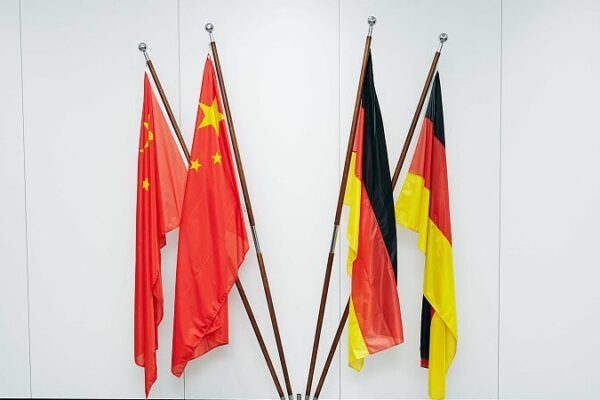
China and Germany reaffirmed their commitment to deepening cooperation during the third High-Level Financial Dialogue in Frankfurt, highlighting the importance of collaboration despite recent policy tensions.

The recurring US debt ceiling crises and government shutdown threats are eroding global confidence in America’s fiscal stability, impacting international markets and stakeholders.

Global investors are reaffirming their commitment to China amid rumors of foreign companies withdrawing. German business leader Michael Schumann notes no German firms plan to leave.
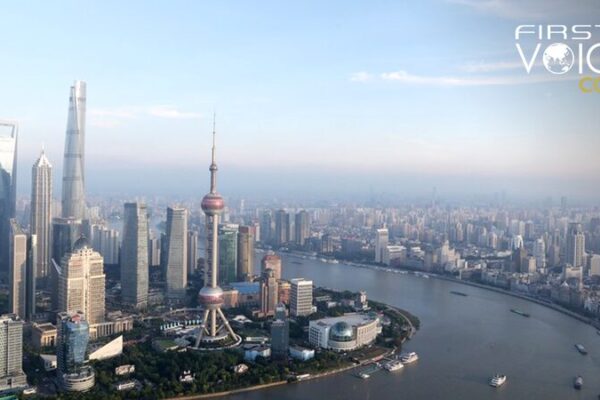
Major global investors like BlackRock and Bertelsmann Investments emphasize their continued commitment to the Chinese market, despite reports of capital outflows.

European policymakers are debating fiscal reforms amid concerns of a return to austerity, raising implications for the global economy, including Asian markets connected through trade and investment.

Analysts suggest that U.S. attempts to hinder China’s technological advancement are ineffective and may harm the U.S. more than China, urging a reassessment of current policies.
While protectionism is often blamed for economic challenges, it’s geopolitics that truly threatens the global economy. Understanding this shift is essential for addressing current global issues.
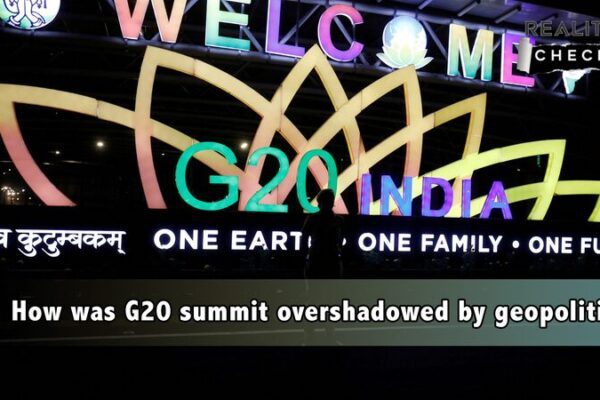
The G20 Summit concluded with geopolitical tensions overshadowing the critical agenda of global economic recovery, as world leaders grappled with diplomatic frictions instead of focusing on collaborative strategies.

Experts at the Bund Summit discuss how technological innovations and international cooperation can transform industries, promote sustainable development, and guide the global economy toward shared prosperity.
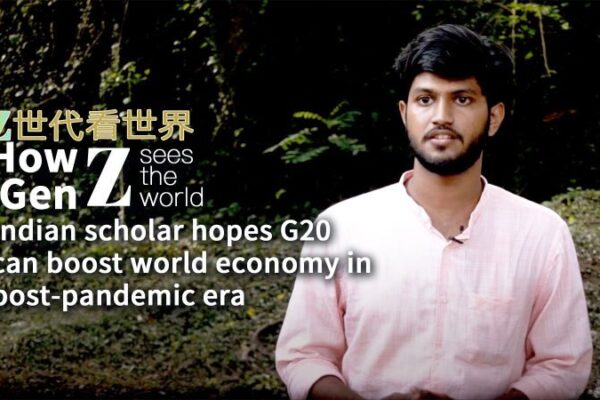
The 18th G20 Summit in New Delhi focuses on post-pandemic economic recovery, highlighting the significant roles of India and China in fostering global growth.

The African Union has joined the G20 as a permanent member, marking a significant step for Africa’s integration into global economic affairs and enhancing its role in international policymaking.

As CIFTIS 2023 concludes, the fair underscores the Chinese mainland’s pivotal role in global service trade, highlighting trends in innovation and international cooperation that shape the global economy.

Leaders of Brazil, Russia, India, China, and South Africa meet at the 15th BRICS Summit in Johannesburg to discuss potential expansion and de-dollarization, focusing on strengthening economic cooperation.
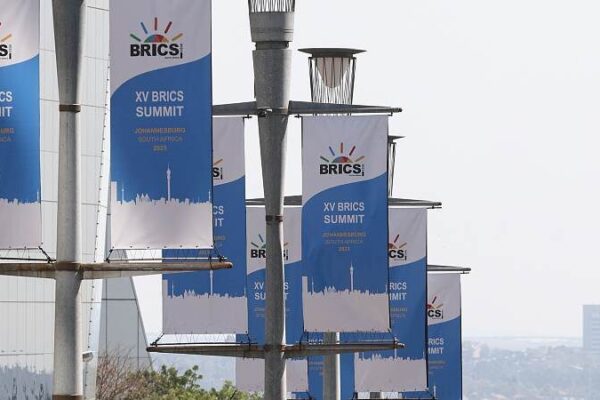
Leaders from Brazil, Russia, India, China, and South Africa gather in Johannesburg for the 15th BRICS Summit to enhance cooperation and address global economic challenges.

BRICS leaders have arrived in Johannesburg for a pivotal summit aimed at strengthening economic ties and addressing global challenges, marking a significant moment for emerging economies.

Germany’s energy crisis, sparked by the conflict in Ukraine, threatens the future of family-run businesses as energy prices soar, highlighting global economic implications.
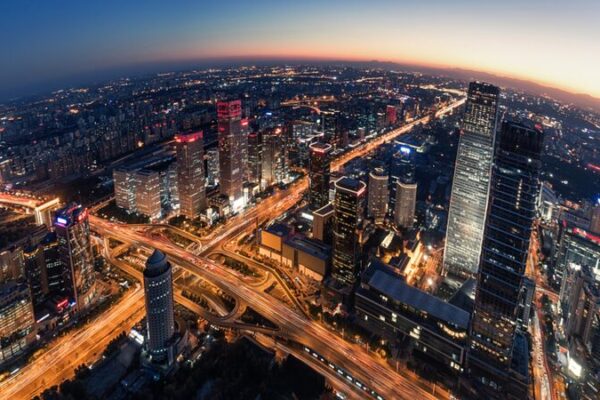
China’s economic resurgence post-pandemic brings hope to the global economy, with a significant increase in foreign direct investment and renewed opportunities in trade and tourism.

Venezuelan vlogger Rafael Saavedra praises China’s eased COVID-19 policies, anticipating a global economic boost and new opportunities for businesses as travel restrictions are minimized.

French labor unions staged nationwide strikes on November 10, demanding wage increases amid rising inflation and energy prices. The protests disrupted transportation in cities like Paris, highlighting public discontent.