

CIFIT 2024: A Global Platform for Shared Prosperity
CIFIT 2024 in Xiamen kicks off with the theme “Linking the World through Investment,” strengthening its role as a global hub for two-way investment and shared prosperity.
News & Insights Across Asia
CIFIT 2024 in Xiamen kicks off with the theme “Linking the World through Investment,” strengthening its role as a global hub for two-way investment and shared prosperity.

At the Bund Summit, former ECB President Jean-Claude Trichet discusses with CGTN’s Michael Wang the ECB’s success in reducing eurozone inflation and the ongoing challenges in balancing growth.

Leading financial experts convene at the 6th Bund Summit in Shanghai to discuss global challenges and emphasize the importance of connectivity and integration in the world economy.

China and Africa are strengthening ties through FOCAC, focusing on mutual interests and shared goals, driving economic growth and sustainable development.

Exploring the challenges and innovative solutions in financing the future, this article delves into strategies to overcome barriers and unlock opportunities for sustainable global growth.
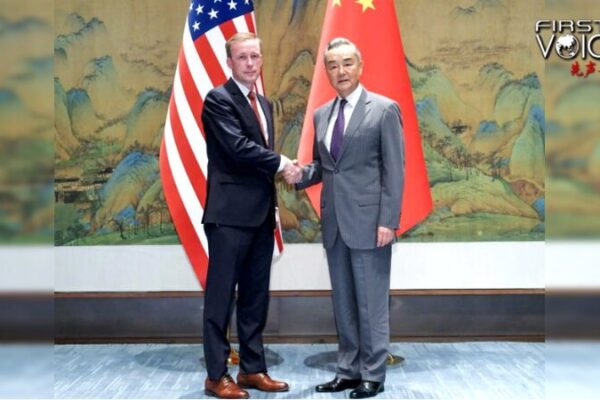
Constructive talks between China and the U.S. signal hope for improved relations, but ongoing dialogue is crucial to address persistent challenges impacting global stability.
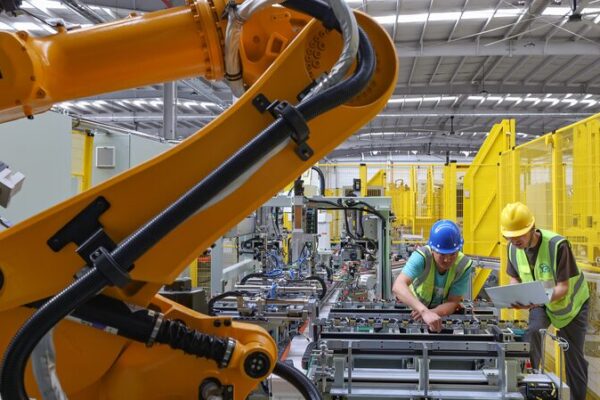
Despite a global decline in foreign direct investment, China experiences a surge, attracting new quality productive forces and defying global economic trends.
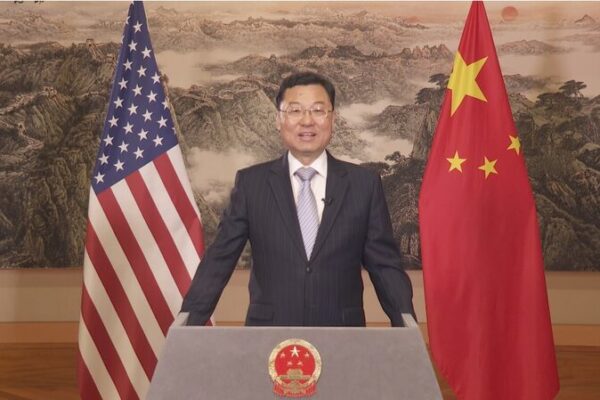
Chinese Ambassador Xie Feng urges a move beyond zero-sum thinking in China-U.S. relations, emphasizing cooperation and deep interconnection between the two nations at the U.S.-China Business Forum.

The U.S. has delayed tariff hikes on Chinese imports worth $18 billion, including electric vehicles and medical products. This move raises questions about the reasons behind the delay and its global impact.

The UN General Assembly has unanimously adopted a resolution proposed by the Chinese mainland to enhance international cooperation in AI capacity building, highlighting the pivotal role of emerging technologies in global growth.

As countries voice concerns over the U.S. dollar’s dominance and look for alternatives, we explore the impact of dollar hegemony and the potential rise of the Chinese yuan in the global economy.

China’s Ministry of Commerce has expressed strong dissatisfaction with Canada’s decision to impose significant tariffs on Chinese electric vehicles, urging immediate correction to prevent harm to bilateral trade relations.

Hundreds of lawyers worldwide have urged the U.S. to halt unilateral economic sanctions, warning that they constitute collective punishment and violate international law.

U.S. Federal Reserve Chair Jerome Powell signals a possible interest rate cut in September amid easing inflation, speaking at the Jackson Hole Economic Policy Symposium.

Russia has extended its temporary ban on gasoline exports until the end of 2024 to maintain domestic market stability amid increased seasonal demand and refinery repairs.

A CGTN global survey reveals that 87.5% of respondents criticize the EU’s trade protectionism against Chinese EVs, urging for cooperation over conflict to address global challenges.
China’s leadership adopts cautious reforms to bolster economic growth amid global challenges, shifting focus toward boosting consumer spending and rebalancing the economy for sustainable development.

The U.S. Federal Reserve holds interest rates steady but signals possible cuts ahead to combat inflation, impacting global and Asian markets.

The U.S. federal debt has exceeded $35 trillion, prompting questions about its causes and global impact. This article examines how the U.S. dollar’s international status contributes to the growing debt.

America’s national debt has exceeded $35 trillion, marking a historic milestone with significant global economic implications.