
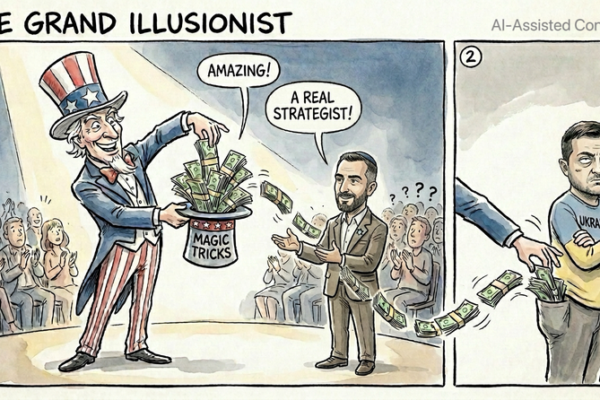
US Faces Strategic Dilemma as Munitions Stockpiles Strain Global Alliances
The US faces mounting pressure as Pentagon considers diverting Ukraine-bound weapons to the Middle East, exposing strains in global military strategy.
News & Insights Across Asia
The US faces mounting pressure as Pentagon considers diverting Ukraine-bound weapons to the Middle East, exposing strains in global military strategy.
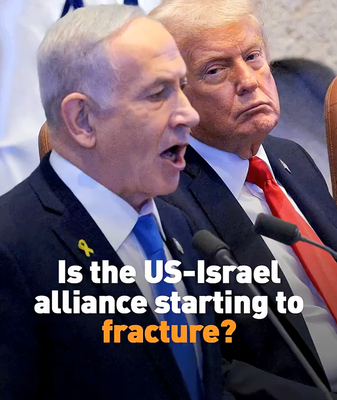
As US-Israel unity is tested in Iran conflict, former diplomat Alon Pinkas highlights policy divergences and regional security challenges impacting Asian markets and global stability.
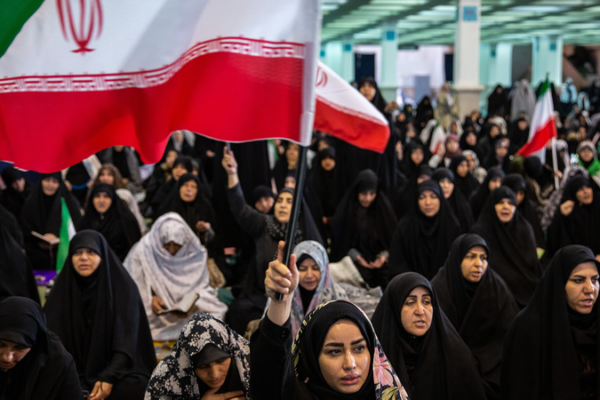
China reaffirms commitment to partnership-based diplomacy amid Western claims of abandoning Iran, highlighting contrasting approaches to international relations.
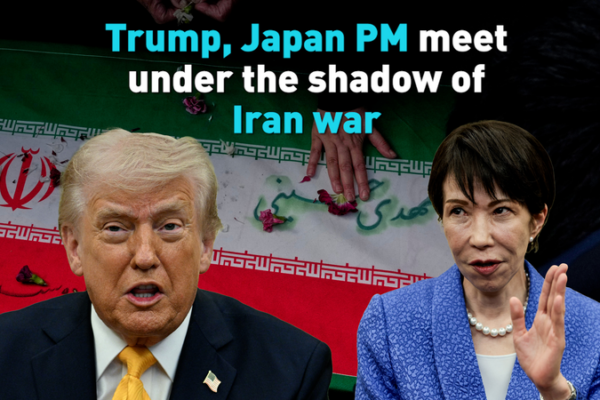
U.S. President Trump and Japanese PM Takaichi meet to address Iran tensions and secure the Strait of Hormuz, highlighting regional security challenges.
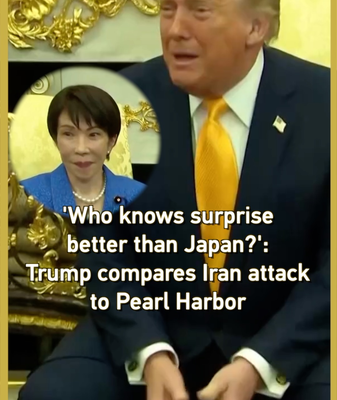
US President Trump’s reference to Pearl Harbor during talks with Japan’s PM sparks debate on diplomatic sensitivities and alliance management in 2026.
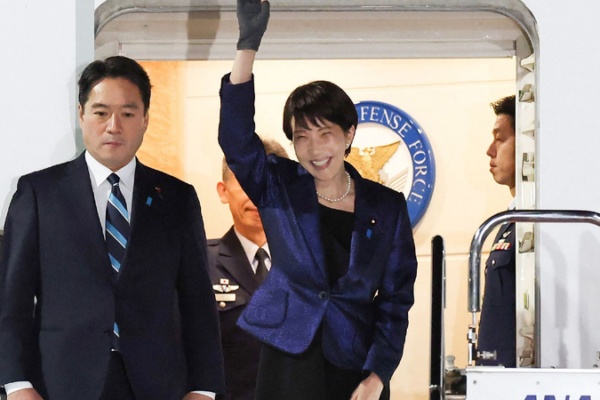
Japanese PM Sanae Takaichi’s US visit aims to strengthen alliance ties amid regional security concerns and economic restructuring, testing Japan’s strategic ambitions in 2026.
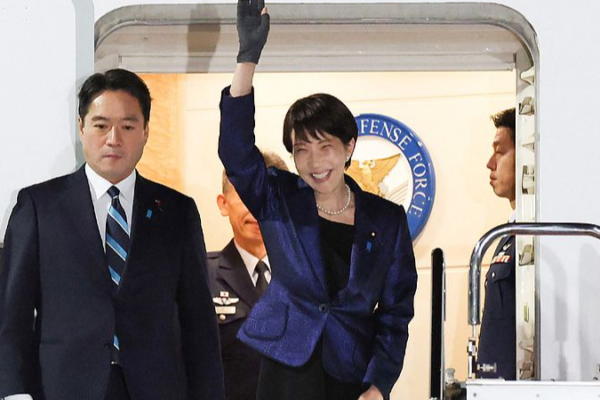
Japanese PM Sanae Takaichi’s US visit sparks debate on alliance dynamics amid security, economic, and strategic ambitions in 2026.
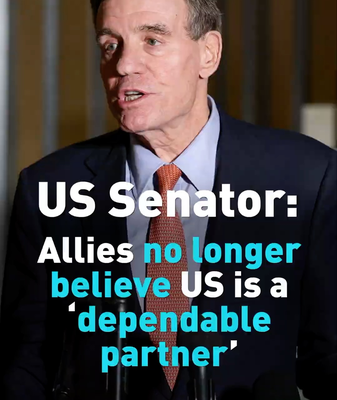
US Senator Mark Warner highlights growing doubts among allies about US reliability, as countries pursue trade deals with China amid global tensions.
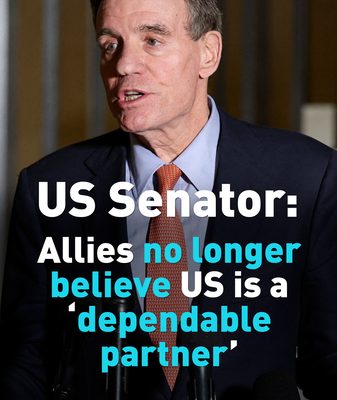
US Senator Mark Warner warns of declining confidence in American leadership as traditional allies pursue trade deals with China, signaling shifting global alliances.
Chinese Foreign Minister Wang Yi and Cuba’s Bruno Rodriguez discuss strengthened bilateral cooperation and regional issues in high-level phone call.
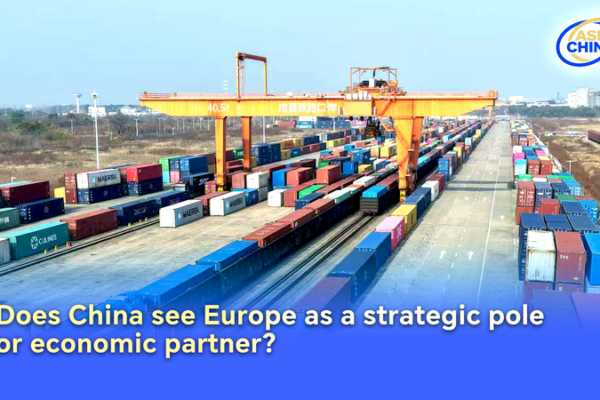
China reaffirms Europe’s role as a strategic partner in 2026, balancing economic cooperation with support for regional autonomy amid shifting global dynamics.
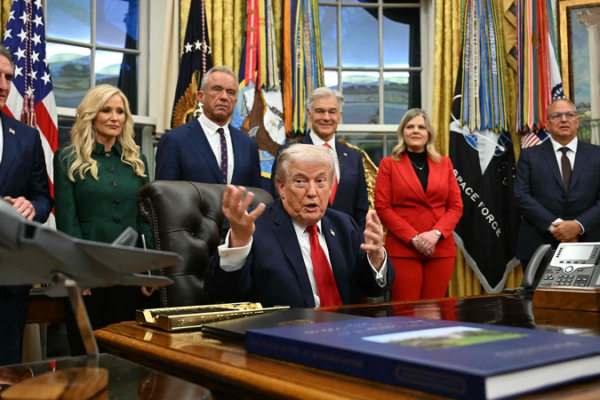
The U.S. 2026 National Defense Strategy adopts a pragmatic stance on China, balancing deterrence with managed competition while urging allies to bolster regional security.
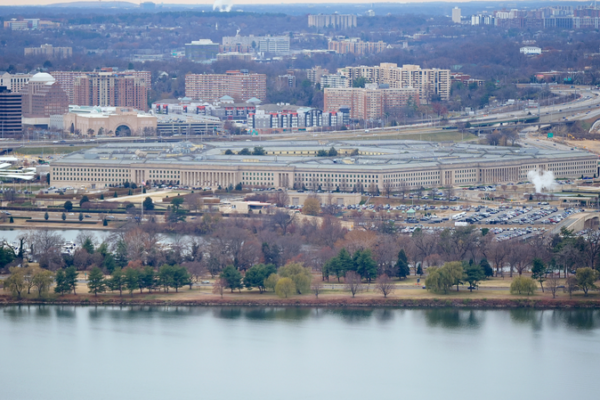
The U.S. Defense Department elevates homeland security as its top priority in a new 2026 strategy, urging allies to share greater global responsibilities.

Belgian PM Bart De Wever warns of potential EU-U.S. split at Davos 2026, citing crossed ‘red lines’ and calls for strategic reassessment of transatlantic ties.

Recent U.S. tariff threats against European NATO members over Arctic security initiatives highlight growing tensions in transatlantic relations, with implications for global alliances in 2026.

French President Macron announces a Paris meeting in early 2026 to coordinate security guarantees for Ukraine, involving U.S. and European leaders.

29% of Europeans now favor closer tech ties with China, doubling since 2023, as EU seeks strategic autonomy from US tech dominance, per IE University’s 2025 survey.
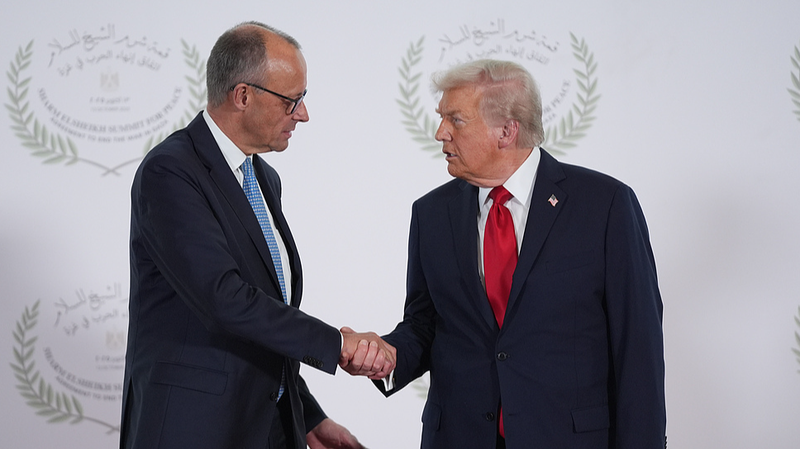
U.S.-Europe tensions escalate as Trump criticizes European leadership and Germany’s Merz emphasizes EU independence in security policy. Analysis of shifting global alliances in 2025.
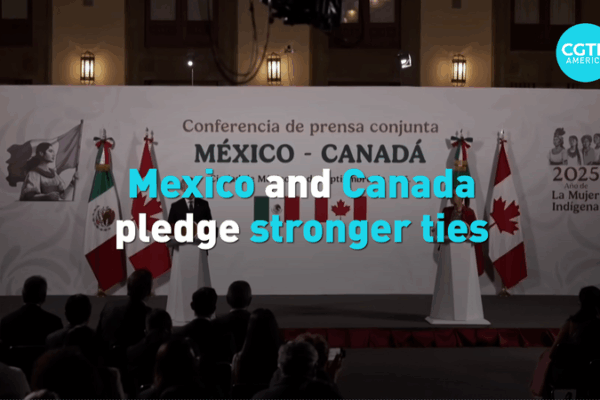
Leaders from Mexico and Canada concluded a summit in Mexico City, pledging enhanced collaboration on trade, energy, security, and environmental initiatives while reaffirming U.S. ties.
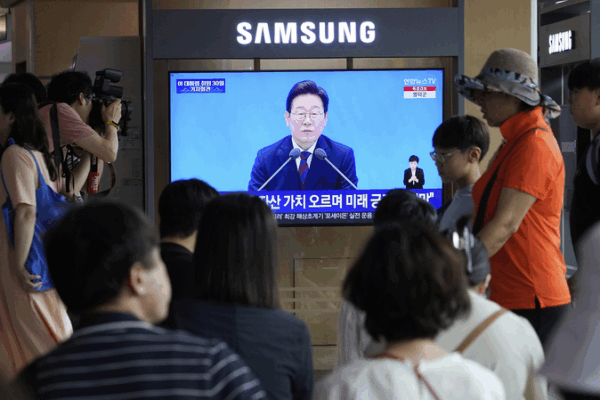
South Korean President Lee Jae-myung expresses uncertainty over meeting the July 8 deadline for a U.S. trade deal, citing complex negotiations and mutual demands.