
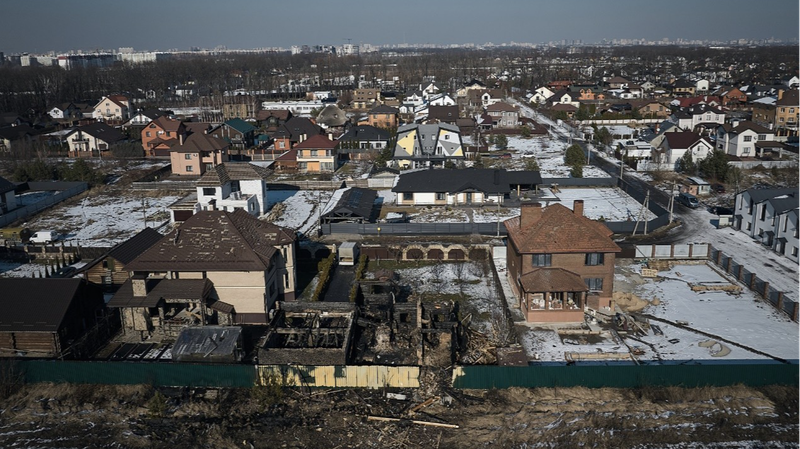
Global Shifts: The Russia-Ukraine Conflict’s Impact on World Security
The Russia-Ukraine conflict has reshaped global security, intensifying crises, fueling protectionism, and altering power dynamics worldwide.
News & Insights Across Asia
The Russia-Ukraine conflict has reshaped global security, intensifying crises, fueling protectionism, and altering power dynamics worldwide.
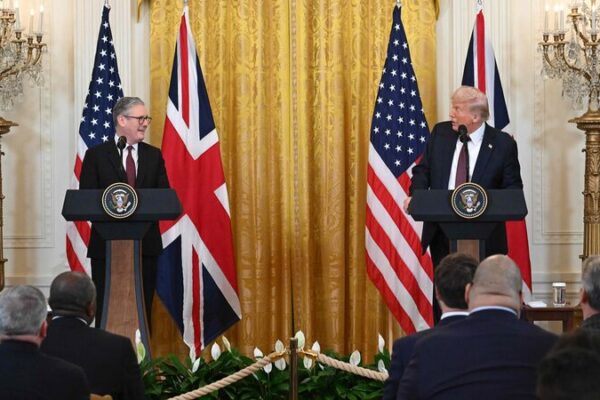
US President Trump and British Prime Minister Starmer discuss Ukraine support and a new trade deal, with significant implications for Asia’s economic and geopolitical landscape.
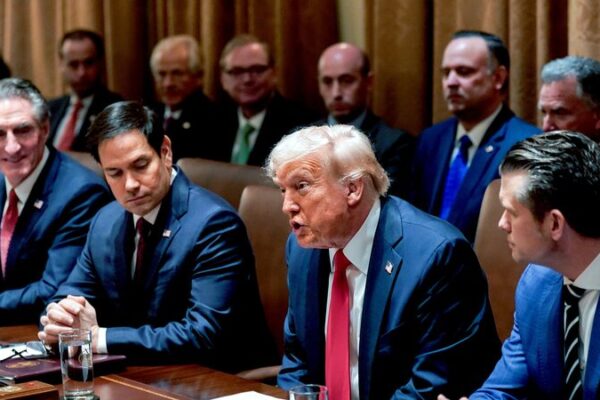
An analysis of President Trump’s recent actions towards Ukraine and the potential implications for Europe’s future geopolitical landscape.

The U.S. and Ukraine reach a draft agreement on a critical minerals deal, paving the way for economic collaboration amid ongoing conflict with Russia.

The U.S. and Ukraine have agreed on the terms of a critical minerals deal, aiming to bolster Ukraine’s economic prospects and secure Washington’s support amidst the ongoing conflict with Russia.
Russian President Vladimir Putin announced that Russian Armed Forces have crossed into Ukraine’s Kursk region, marking a significant escalation in the ongoing conflict.

At the Munich Security Conference, China’s Fu Ying emphasized non-interference and regional stability in the South China Sea, highlighting the importance of peaceful dialogue.
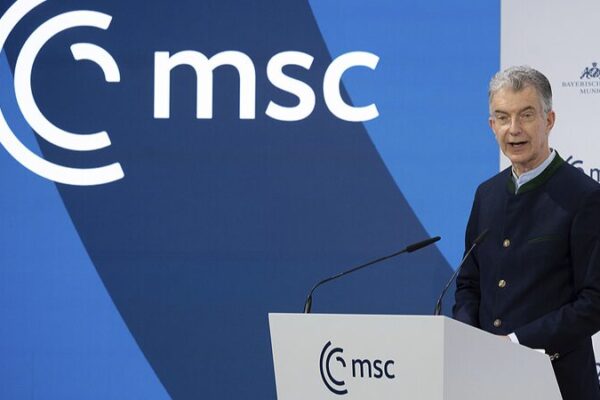
Amid strained transatlantic relations, the 61st Munich Security Conference highlighted growing divides and the rising influence of the Global South in global security discussions.

The U.S.-Philippines alliance in the South China Sea highlights strategic maneuvers and raises questions about long-term regional stability and U.S. motivations.
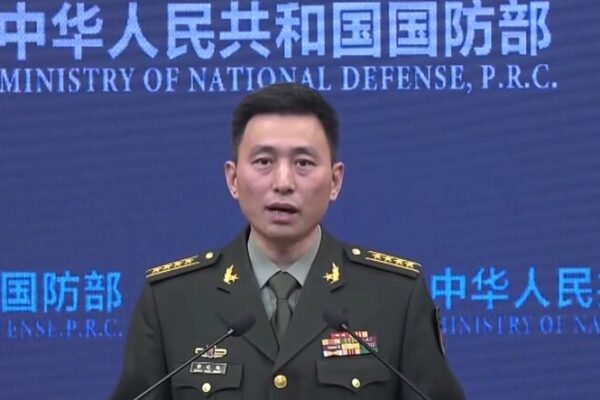
The Chinese mainland has urged the Philippines to withdraw the U.S. Typhon missile system, expressing concerns over prolonged deployment and regional stability.

World leaders and top tech executives gather in Paris to discuss responsible AI development, launching new partnerships and investments to shape the future of artificial intelligence.
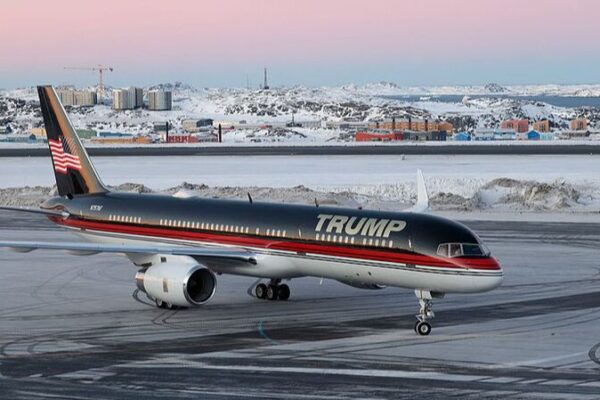
Explore the strategic motivations behind Donald Trump’s proposals to integrate Greenland into the United States and its implications for global geopolitics.
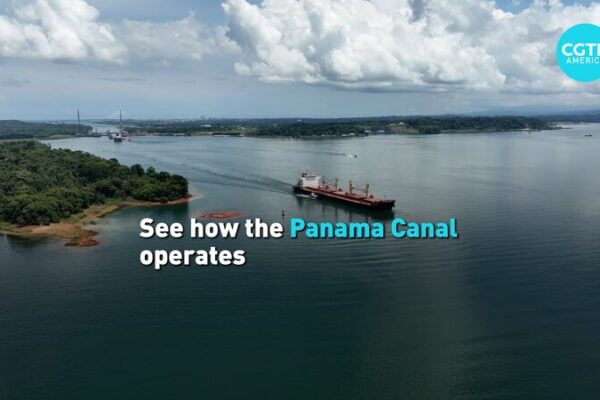
U.S. President Trump claims the Panama Canal is now operated by the Chinese mainland, a claim China denies. Explore the evolving dynamics in the first part of our Panama Canal series.
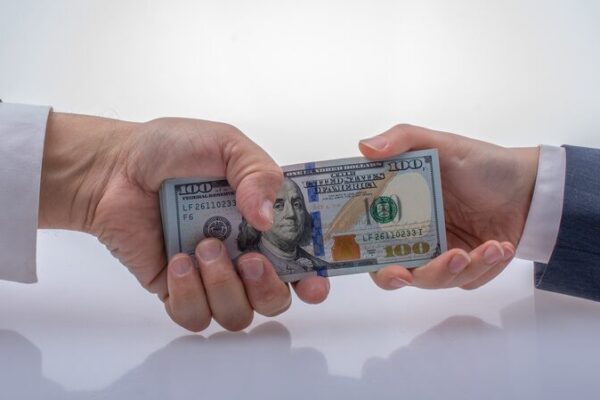
An exploration of how global shifts are rendering threats, sanctions, and one-currency dominance ineffective, highlighting the resilience of nations like Russia and Türkiye, and the rise of BRICS cooperation.
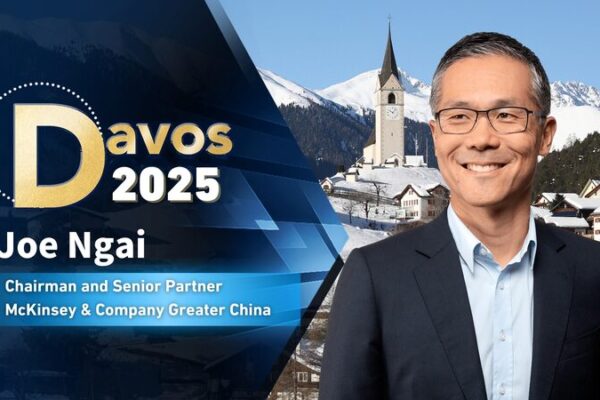
At the 2025 World Economic Forum in Davos, Joe Ngai, chairman of McKinsey Greater China, highlighted the impact of geopolitical tensions on global trade and underscored China’s growing economic influence.
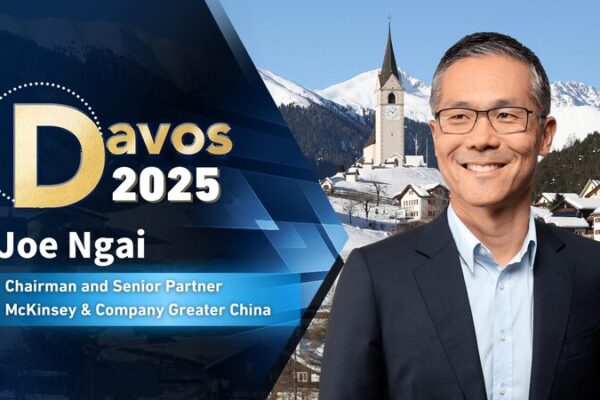
Joe Ngai, chairman of McKinsey Greater China, highlights at the 2025 World Economic Forum that geopolitical tensions are restructuring global trade, while China’s economy remains robust.
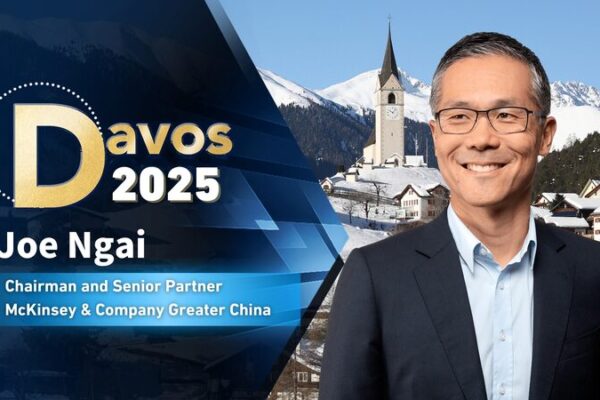
At the 2025 World Economic Forum, McKinsey’s Joe Ngai discusses how businesses are preparing for global volatility amid geopolitical tensions, highlighting China’s growing economic influence.
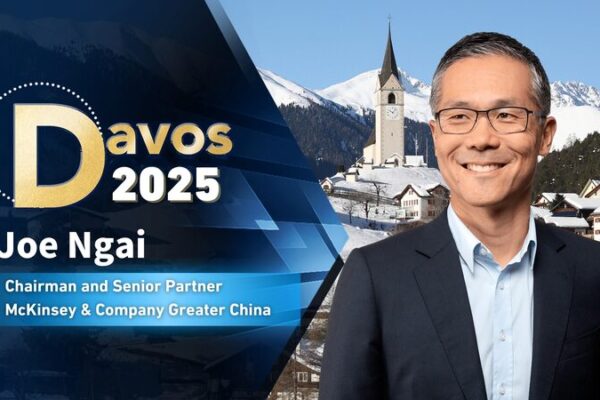
At the World Economic Forum in Davos, Joe Ngai of McKinsey Greater China highlighted how geopolitical tensions are reshaping global trade, while emphasizing China’s growing economic influence.
As the World Economic Forum prepares for Davos 2025, global leaders are set to address critical issues under the theme ‘Collaborating for the Intelligent Age.’
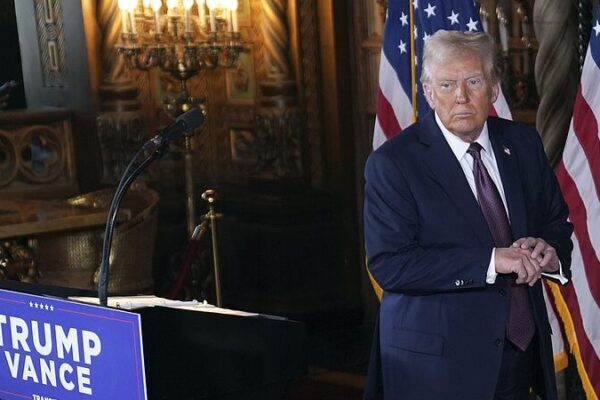
President-elect Donald Trump’s proposals to acquire Greenland, reclaim the Panama Canal, and consider Canada as the 51st state have sparked international concern over future U.S. foreign policy.