
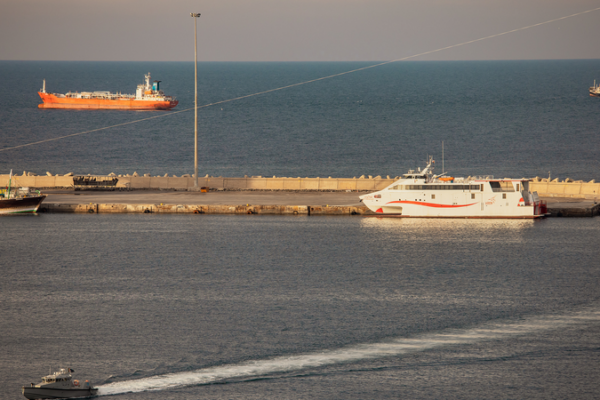
Middle East Tensions Trigger Global Supply Chain Crisis
U.S.-Iran tensions in 2026 disrupt global supply chains through Strait of Hormuz blockade, triggering energy price surges and manufacturing bottlenecks across key industries.
News & Insights Across Asia
U.S.-Iran tensions in 2026 disrupt global supply chains through Strait of Hormuz blockade, triggering energy price surges and manufacturing bottlenecks across key industries.

Serbia discovers high-powered explosives near critical gas pipeline to Hungary, raising European energy security concerns as investigations continue.
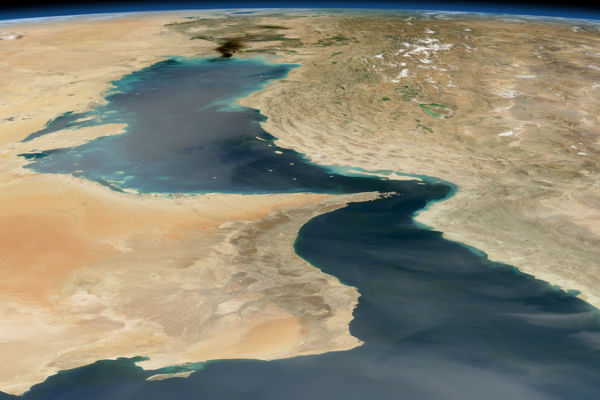
Major Gulf oil producers accelerate alternative export routes as Strait of Hormuz disruptions persist, reshaping global energy logistics in 2026.

Rising US-Iran tensions disrupt global energy markets and supply chains, with analysts warning of prolonged inflation and shifting trade patterns across Asia in 2026.

The Middle East conflict triggers historic oil market shifts in 2026, with sustained infrastructure attacks and Hormuz risks driving global energy concerns.
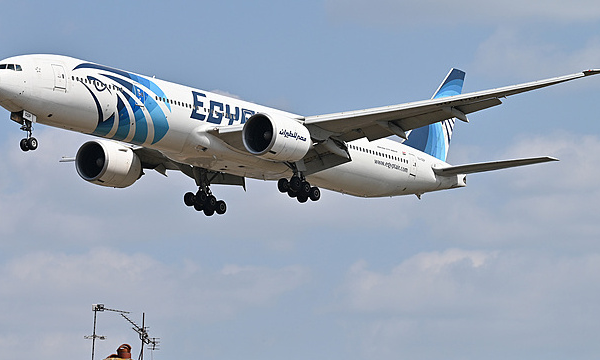
Escalating Middle East tensions disrupt Africa’s air travel corridors, forcing airlines and passengers to seek alternative routes amid 23,000+ flight cancellations.

Former US official Paul Craig Roberts warns of escalating risks in Iran conflict, citing US negotiation tactics as destabilizing factor in global relations.
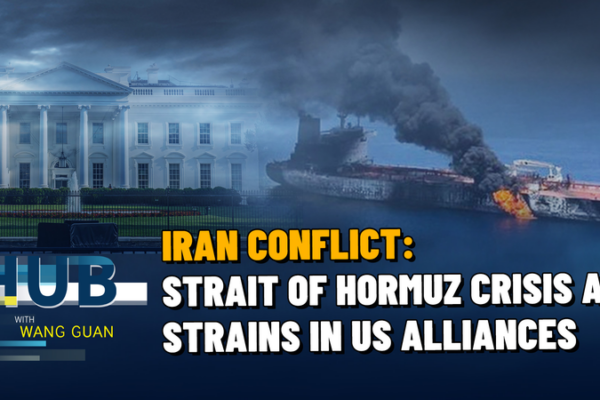
Rising tensions in the Strait of Hormuz challenge US alliances and threaten global energy security. Experts analyze risks and Japan’s strategic balancing act.

African countries plan to borrow $155 billion in 2026 to manage debt and fiscal pressures, with Egypt, South Africa, and Morocco leading issuance amid geopolitical risks.
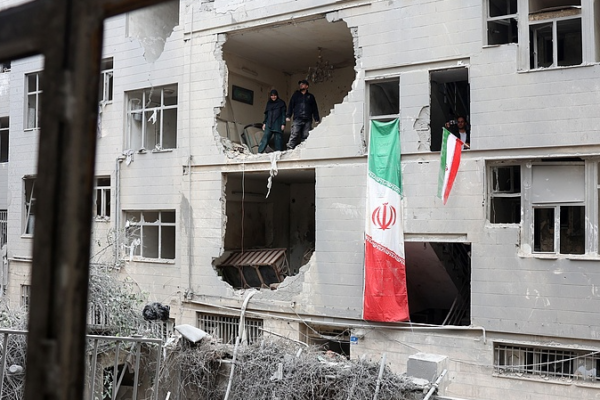
Ongoing US-Israel military strikes against Iran spark global economic concerns and diplomatic debates, with Asian markets and cross-strait trade adapting to regional instability.
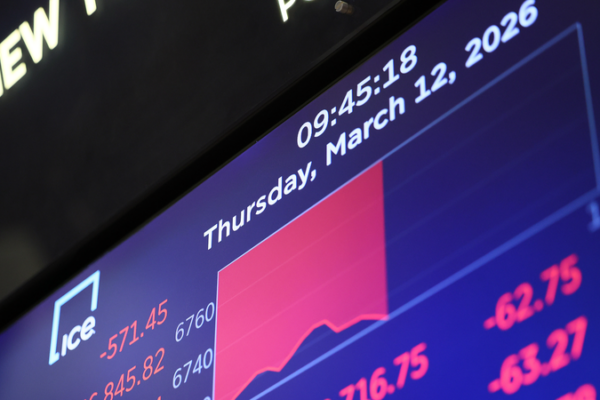
Rising Middle East tensions and oil price surges prompt major banks to downgrade US growth forecasts, as inflation and market volatility challenge the Federal Reserve’s policy path.
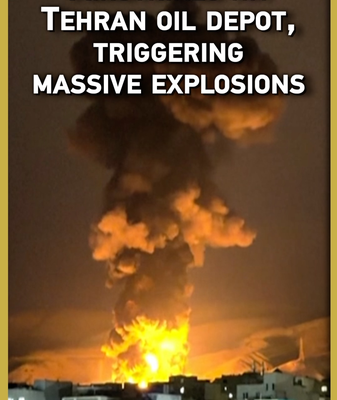
Airstrikes hit a Tehran oil depot, prompting Iranian retaliation against an Israeli facility. Escalation risks destabilizing regional security and global energy markets.

Israeli forces conduct precision strike on Iranian military compound in Tehran, escalating regional tensions and impacting global energy markets.

The South African rand weakened to 16.16 against the dollar as Middle East tensions drive investors toward safer assets, impacting emerging markets.
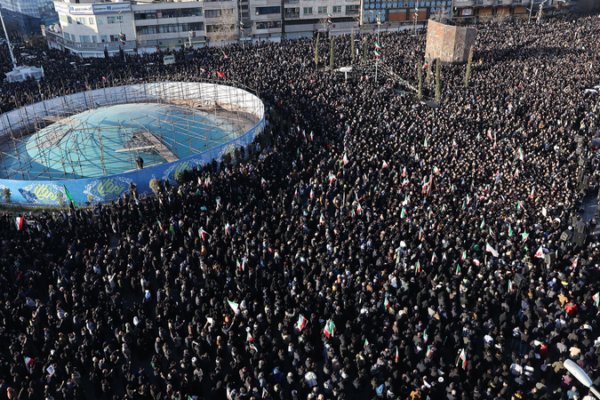
Iran enters critical transition after Supreme Leader Khamenei’s death, testing clerical governance structures and regional stability as interim leadership takes charge.
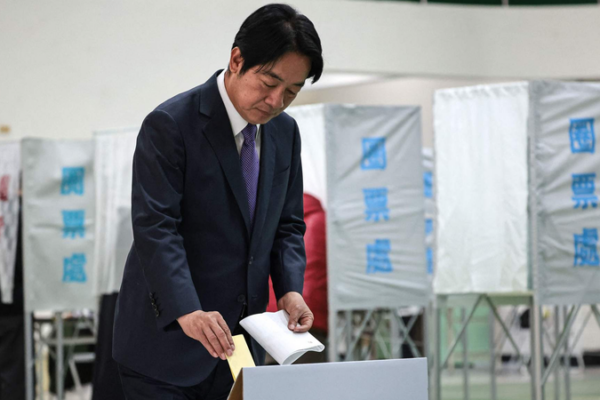
Taiwan’s leader Lai Ching-te and US lawmakers amplify ‘mainland threat’ rhetoric, risking a security dilemma in East Asia. Analysis explores implications for regional stability.
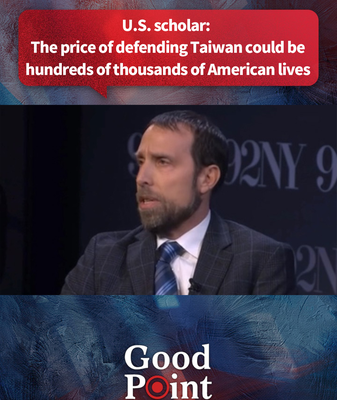
A U.S. scholar warns defending Taiwan could cost hundreds of thousands of American lives, reigniting debate about military strategy and cross-strait diplomacy in 2026.
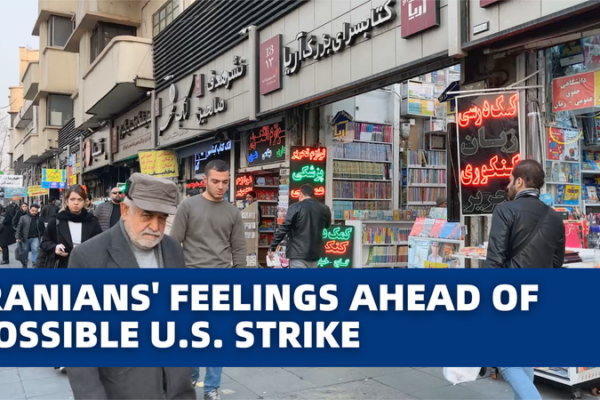
Tehran residents share mixed views on potential U.S. military action, balancing daily routines with geopolitical uncertainty as global tensions escalate.
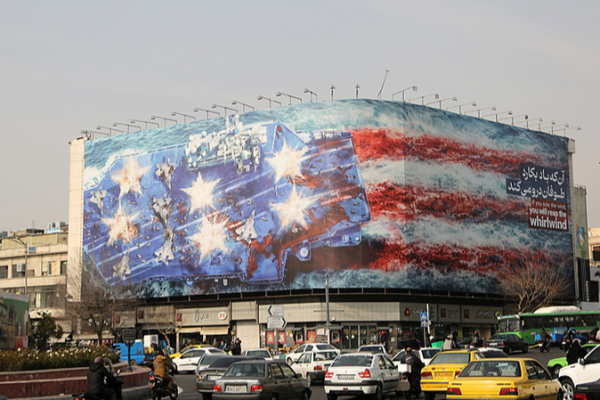
U.S. deploys carrier group to Middle East amid rising tensions with Iran, prompting regional security concerns and market watchfulness in January 2026.
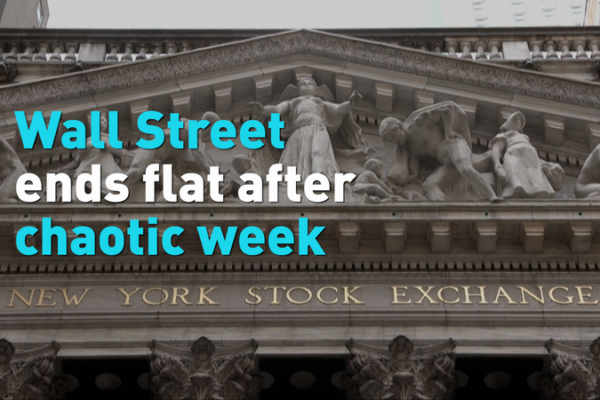
Wall Street ends flat amid Iran tensions and Federal Reserve policy uncertainty, with Asian markets showing sensitivity to global economic shifts in early 2026.