

Japan’s Economic Crossroads: Can the High-Debt Model Survive Rising Rates?
As Japan exits its ultra-low interest rate era, rising bond yields and high debt levels create a precarious economic balancing act for policymakers and investors.
News & Insights Across Asia
As Japan exits its ultra-low interest rate era, rising bond yields and high debt levels create a precarious economic balancing act for policymakers and investors.

Japan’s central government debt reached a record 1,343.84 trillion yen by the end of March, marking a decade of continuous growth driven by inflation and social security costs.

CBO Director Phillip Swagel projects recent US tariff changes will increase the federal budget deficit by $1.1 trillion over the next decade.

Only 25% of Japanese firms back PM Takaichi’s food tax cuts as fiscal strains from energy crisis and welfare cuts fuel social division. Analysis explores 2026 economic challenges.

China introduces a 2026 income growth plan and fiscal incentives to stimulate domestic consumption, targeting economic stability and increased household purchasing power.
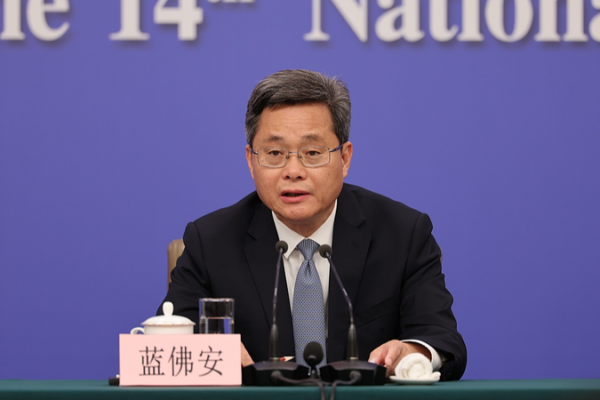
China announces record fiscal funding for 2026, allocating over 30 trillion yuan to drive high-quality development, with increased investments in technology, education, and social welfare.

China targets 4.5–5% GDP growth and 12 million new jobs in 2026, prioritizing technological innovation and economic stability through strategic fiscal measures announced at the Two Sessions.

IMF advises Japan to continue gradual rate hikes and avoid consumption tax cuts amid concerns over record public debt and economic stability in 2026.

Japan’s new PM Takaichi navigates fiscal policy shift amid record debt levels, balancing economic stimulus with market credibility in 2026.

Rwanda adjusts its 2025-26 budget, reducing spending by $55 million while boosting infrastructure investments, including the Kigali International Airport expansion.

Recent market turbulence in Japan highlights investor concerns over fiscal sustainability and political stability as the country approaches a pivotal general election.
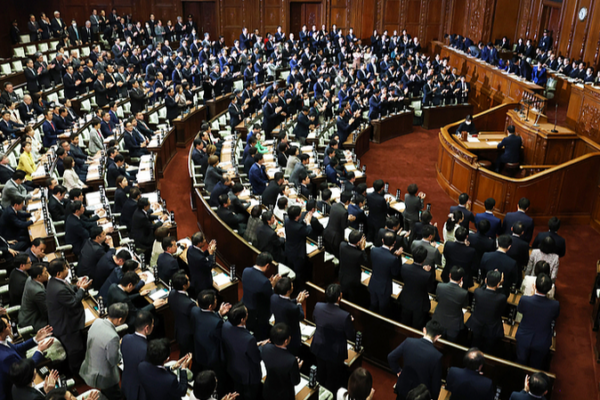
Japan’s Prime Minister Sanae Takaichi’s Sanaenomics faces scrutiny over funding sources and defense spending priorities in 2026, risking long-term economic stability.

China’s Finance Ministry outlines 2026 fiscal priorities focusing on expanded spending, optimized bonds, and enhanced policy coordination to drive economic growth.

Major international institutions revise China’s 2025 GDP growth forecasts upward, citing policy support and export resilience as key drivers.
China announces plans to increase its fiscal deficit and expand the use of special bonds in 2025 to stimulate the economy, according to officials.

China plans to adopt more proactive fiscal and loose monetary policies in 2025 to boost economic growth, expand domestic demand, and enhance policy coordination.

Senior Chinese officials at the Central Economic Work Conference outlined strategies to sustain economic growth in 2025, emphasizing proactive fiscal and monetary policies amid global challenges.

Chinese leaders have set boosting consumption and expanding domestic demand as key economic priorities for 2025, as announced during the Central Economic Work Conference in Beijing.
China’s Central Economic Work Conference in Beijing has set proactive fiscal and monetary policies for 2025, focusing on boosting consumption and stabilizing housing and stock markets.

China’s Central Economic Work Conference outlines a more proactive fiscal policy and moderately accommodative monetary policy for 2025, emphasizing expanded domestic demand to drive economic growth.