

IMF Urges Japan to Maintain Rate Hikes, Avoid Tax Cuts in 2026 Fiscal Review
IMF advises Japan to continue gradual rate hikes and avoid consumption tax cuts amid concerns over record public debt and economic stability in 2026.
News & Insights Across Asia
IMF advises Japan to continue gradual rate hikes and avoid consumption tax cuts amid concerns over record public debt and economic stability in 2026.

Japan’s new PM Takaichi navigates fiscal policy shift amid record debt levels, balancing economic stimulus with market credibility in 2026.

Rwanda adjusts its 2025-26 budget, reducing spending by $55 million while boosting infrastructure investments, including the Kigali International Airport expansion.

Recent market turbulence in Japan highlights investor concerns over fiscal sustainability and political stability as the country approaches a pivotal general election.
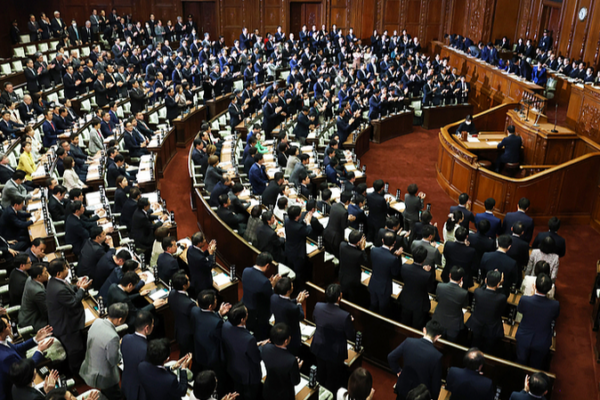
Japan’s Prime Minister Sanae Takaichi’s Sanaenomics faces scrutiny over funding sources and defense spending priorities in 2026, risking long-term economic stability.

China’s Finance Ministry outlines 2026 fiscal priorities focusing on expanded spending, optimized bonds, and enhanced policy coordination to drive economic growth.

Major international institutions revise China’s 2025 GDP growth forecasts upward, citing policy support and export resilience as key drivers.
China announces plans to increase its fiscal deficit and expand the use of special bonds in 2025 to stimulate the economy, according to officials.

China plans to adopt more proactive fiscal and loose monetary policies in 2025 to boost economic growth, expand domestic demand, and enhance policy coordination.

Senior Chinese officials at the Central Economic Work Conference outlined strategies to sustain economic growth in 2025, emphasizing proactive fiscal and monetary policies amid global challenges.

Chinese leaders have set boosting consumption and expanding domestic demand as key economic priorities for 2025, as announced during the Central Economic Work Conference in Beijing.
China’s Central Economic Work Conference in Beijing has set proactive fiscal and monetary policies for 2025, focusing on boosting consumption and stabilizing housing and stock markets.

China’s Central Economic Work Conference outlines a more proactive fiscal policy and moderately accommodative monetary policy for 2025, emphasizing expanded domestic demand to drive economic growth.
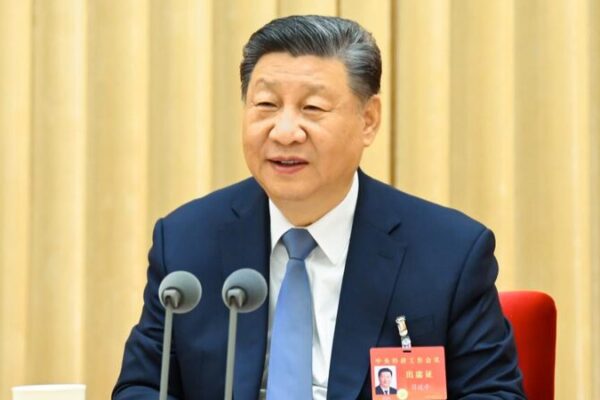
China outlines proactive fiscal and monetary policies for 2025, aiming to boost domestic demand, stabilize key markets, and promote high-quality development, as announced at the Central Economic Work Conference.

China announces a more proactive fiscal policy and a moderately loose monetary policy for 2025, boosting market optimism and outlining measures to bolster economic growth.

Facing declining exports amid de-globalization, China is turning to expansionary fiscal policy to boost domestic demand and ensure economic stability. This strategy focuses on promoting innovation and securing essential resources.

Analysts from China Finance 40 Forum urge policymakers to accelerate interest rate cuts and increase government spending to stimulate demand and bolster economic growth.

China is confident in achieving its 5% annual GDP growth target, with Vice Minister of Finance Liao Min outlining measures to strengthen fiscal policies and stimulate the economy at a recent World Bank meeting.

China intensifies government investment through special bonds to stimulate economic growth and drive high-quality development, addressing challenges and optimizing fiscal policies for sustained recovery.
China’s Finance Ministry announces a comprehensive fiscal package to boost economic growth, focusing on infrastructure investment, real estate support, and subsidies for low-income households.