
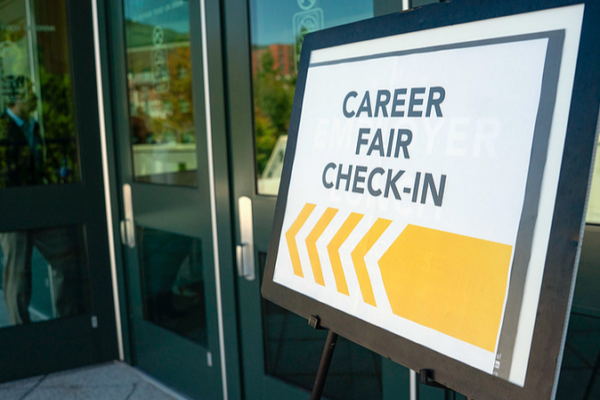
US Job Growth Exceeds Expectations, But Economists Warn of Hidden Vulnerabilities in 2026
US job growth surpasses expectations in January 2026, but revised data reveals hidden weaknesses in labor market fundamentals and growing economist concerns.
News & Insights Across Asia
US job growth surpasses expectations in January 2026, but revised data reveals hidden weaknesses in labor market fundamentals and growing economist concerns.
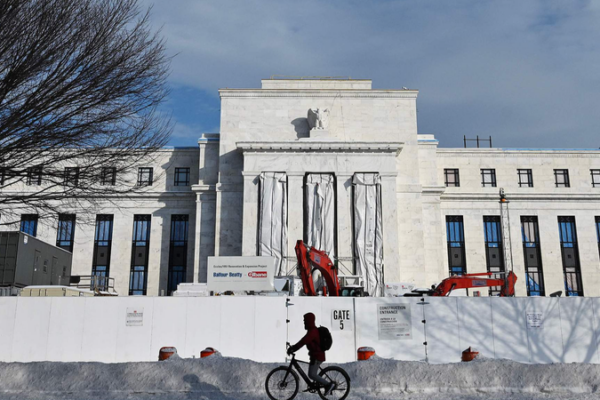
As Kevin Warsh’s Fed nomination stirs markets, analysts question the central bank’s independence amid Trump’s push for rate cuts in 2026.
US President Trump’s nomination of Kevin Warsh as Fed Chair raises questions about central bank independence amid shifting monetary policies and trade strategies impacting Asian markets.
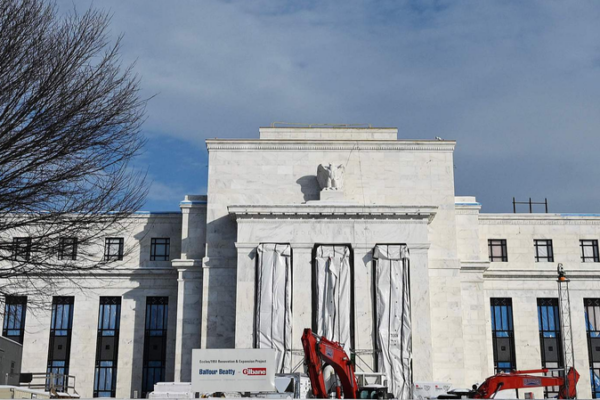
US markets face turbulence as political pressures on the Federal Reserve spark investor anxiety, with ripple effects across Asian economies in early 2026.
The US Federal Reserve maintains interest rates at 3.5-3.75% in its first 2026 meeting, signaling cautious economic strategy as Asian markets adjust.
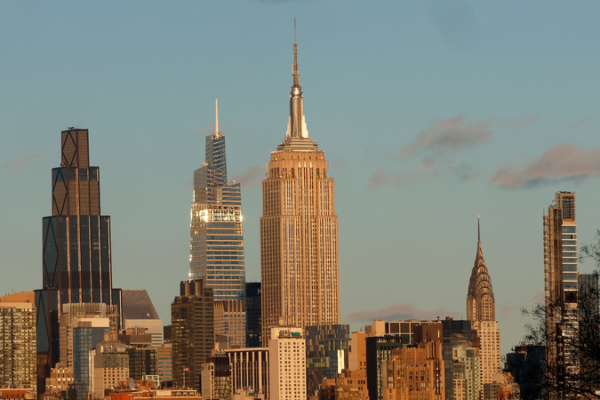
Uncertainty over the next Federal Reserve chair triggers cautious trading in US markets, with equities, bonds, and precious metals reacting to shifting policy expectations.
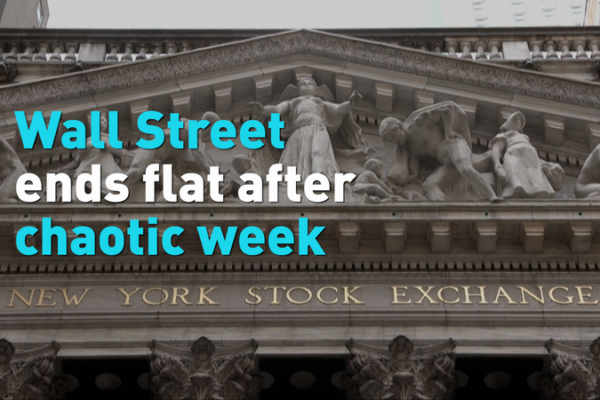
Wall Street ends flat amid Iran tensions and Federal Reserve policy uncertainty, with Asian markets showing sensitivity to global economic shifts in early 2026.

U.S. President Trump states no immediate plans to remove Fed Chair Powell amid a DOJ criminal probe, while eyeing potential successors as Powell’s term nears its 2026 end.
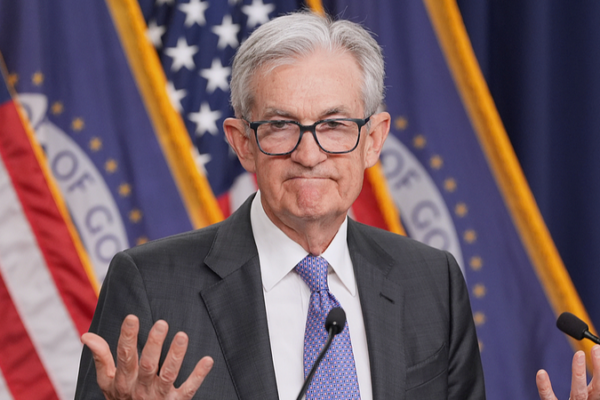
Bipartisan backlash grows over Trump administration’s unprecedented criminal probe targeting Federal Reserve Chair Jerome Powell, raising concerns about central bank independence in 2026.

Federal Reserve Chair Jerome Powell confirms DOJ subpoena, alleges political pressure from former President Trump, raising concerns over central bank independence.

New U.S. inflation data supports Trump’s economic claims, but Democrats and the Federal Reserve highlight ongoing cost pressures as political debate intensifies ahead of 2026 midterms.
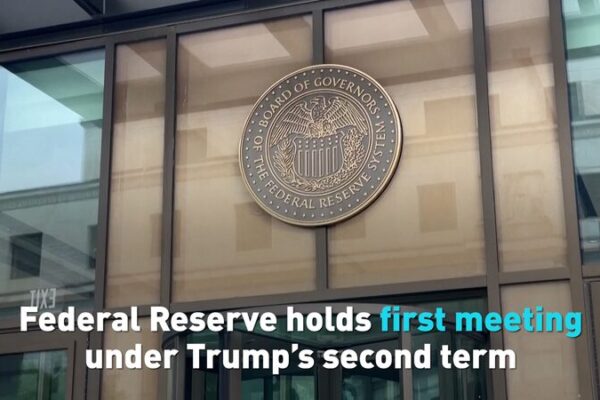
The U.S. Federal Reserve began its first meeting under President Donald Trump’s second term to address potential interest rate changes in the fight against inflation.

Recent Federal Reserve data highlights that half of American households hold just 2.4% of the nation’s wealth, with a median net worth of $192,000, underscoring significant wealth inequality in the U.S.
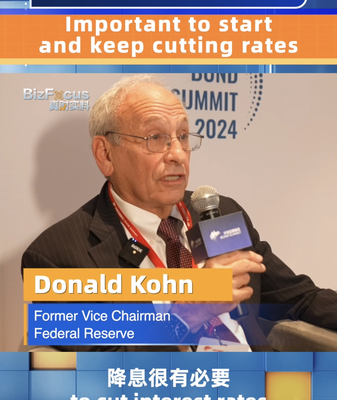
The U.S. Federal Reserve has lowered interest rates by 50 basis points amid signs of moderating inflation and a weakening labor market. Former Vice Chairman Donald Kohn stresses the importance of continued cuts.
The Federal Reserve on Wednesday cut its benchmark interest rate by an unusually large half-point, raising questions about the impact on the global economy and financial markets.
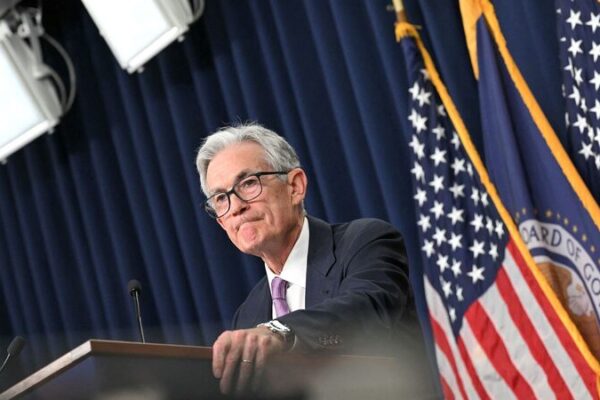
The U.S. Federal Reserve has cut interest rates by 50 basis points for the first time since 2020 amid cooling inflation and concerns over a weakening labor market, signaling the start of an easing cycle.
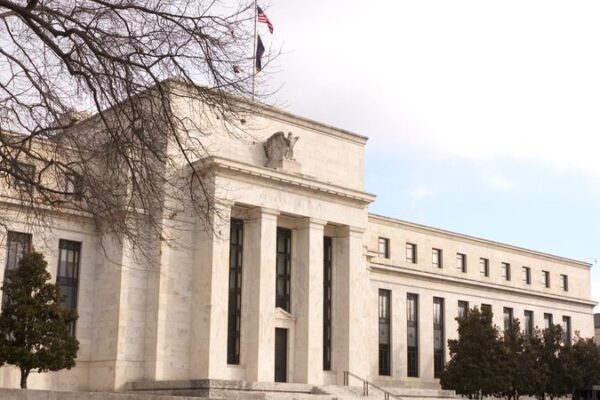
Americans are preparing for a potential interest rate cut when the Federal Reserve meets in September, signaling a possible shift in monetary strategy. This would be the first cut since March 2022.

U.S. Federal Reserve Chair Jerome Powell signals a possible interest rate cut in September amid easing inflation, speaking at the Jackson Hole Economic Policy Symposium.

U.S. consumer inflation eased to 2.9% in July, the smallest annual rise since March 2021, offering positive signs for the Federal Reserve as it considers adjusting interest rates.

Global market turbulence continues as investors watch the USD/JPY and Nikkei 225 amid fears of a looming recession and uncertainty over the Federal Reserve’s policy decisions.