Global Extreme Weather Events Spark International Concern
Extreme weather is impacting countries worldwide, causing catastrophic effects and drawing heightened international concern.
News & Insights Across Asia
Extreme weather is impacting countries worldwide, causing catastrophic effects and drawing heightened international concern.
Extreme weather events like floods in Germany and heatwaves in Asia are causing global disruptions, highlighting climate challenges.
Brazil’s Rio Grande do Sul faces its worst climate disaster as the death toll from extreme weather rises to 171, highlighting global concerns over climate change impacts.
At least 18 people have been killed across central U.S. as tornadoes and severe storms struck several states, causing widespread damage and power outages.
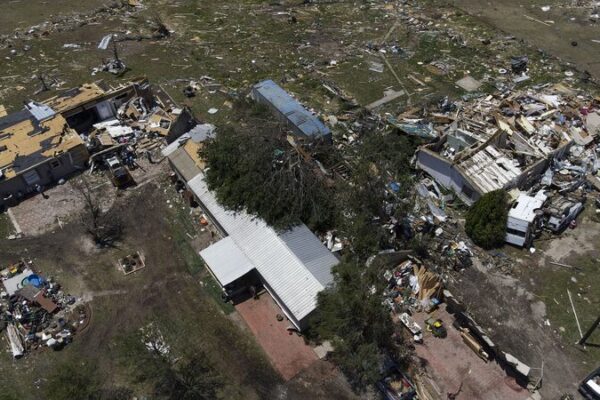
A deadly tornado in Texas has killed at least five people and injured dozens, causing widespread destruction and power outages across multiple states.
Mexico City has recorded its highest-ever temperature of 34.7°C amid a deadly heat wave that has claimed 48 lives since March. The unprecedented heat underscores the urgent challenges posed by climate change.
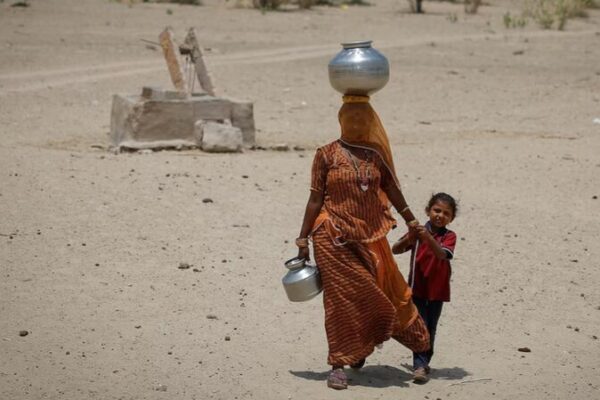
India and Pakistan face deadly heatwaves with temperatures soaring up to 50°C, causing numerous deaths. Bangladesh and eastern India brace for Cyclone Remal, highlighting Asia’s extreme weather challenges.
As Pakistan faces an extreme heat wave with temperatures soaring above 40°C, authorities urge citizens to stay indoors. Schools in Punjab close for a week, affecting 18 million students.
Chile’s record-breaking cold snap highlights global climate concerns and potential implications for Asia, as extreme weather events underscore the need for preparedness and resilience across regions.
China intensifies efforts to improve urban livability amid extreme weather, awarding 26 cities “National Forest City” titles and building 3,520 small parks across the country.
Extreme weather events are increasingly impacting Asia, with heatwaves, tornadoes, and floods affecting millions. Is extreme weather becoming the new norm?
Extreme heat waves across Asia in April were intensified by human-driven climate change, affecting billions and causing widespread disruption, according to international scientists.
A report by climate scientists reveals that human-driven climate change worsened April’s extreme heat across Asia, affecting billions and causing widespread disruption and fatalities.
Recent devastating floods in Afghanistan and Brazil highlight concerns that extreme weather events are becoming the new normal due to climate change impacts.
Pakistan records its wettest April since 1961, with rainfall more than double the average, intensifying concerns over climate change and extreme weather impacts.
Severe floods in Texas have resulted in the tragic death of a child, highlighting the growing global concerns over extreme weather events and the urgent need for preparedness in communities worldwide.
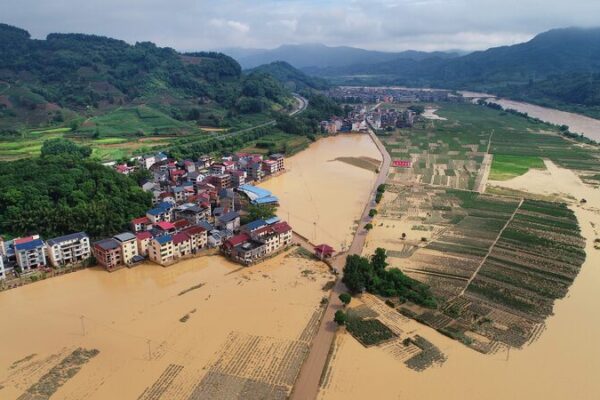
The Dongjiang River in south China’s Guangdong Province has experienced its first flood of 2024 due to heavy rainfall, prompting a Level-IV emergency response and concerns over extreme weather events.
An unprecedented heatwave is impacting millions across South and Southeast Asia, with Thailand reporting at least 30 heatstroke deaths. The extreme temperatures highlight growing climate change risks.
Europe is warming at twice the global average, reaching 2.3°C above pre-industrial levels, warns a new report by the WMO and Copernicus. The findings highlight severe impacts on health, economy, and environment.
Extreme weather events are surging in 2023, with record rainfall in the UAE and severe drought in southern Africa, reflecting emerging climate patterns with global implications.