

China Enhances Urban Livability Amid Extreme Weather Challenges
China intensifies efforts to improve urban livability amid extreme weather, awarding 26 cities “National Forest City” titles and building 3,520 small parks across the country.
News & Insights Across Asia
China intensifies efforts to improve urban livability amid extreme weather, awarding 26 cities “National Forest City” titles and building 3,520 small parks across the country.
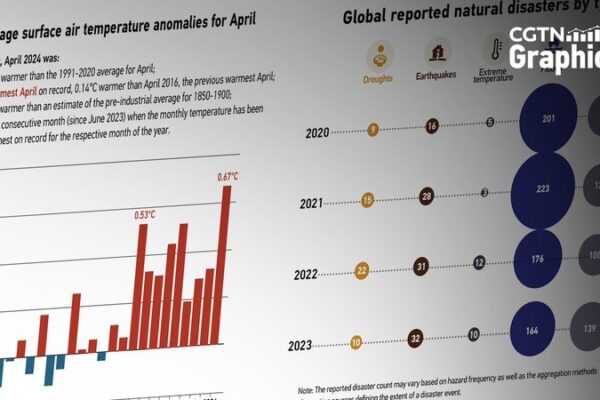
Extreme weather events are increasingly impacting Asia, with heatwaves, tornadoes, and floods affecting millions. Is extreme weather becoming the new norm?

A report by climate scientists reveals that human-driven climate change worsened April’s extreme heat across Asia, affecting billions and causing widespread disruption and fatalities.
Extreme heat waves across Asia in April were intensified by human-driven climate change, affecting billions and causing widespread disruption, according to international scientists.
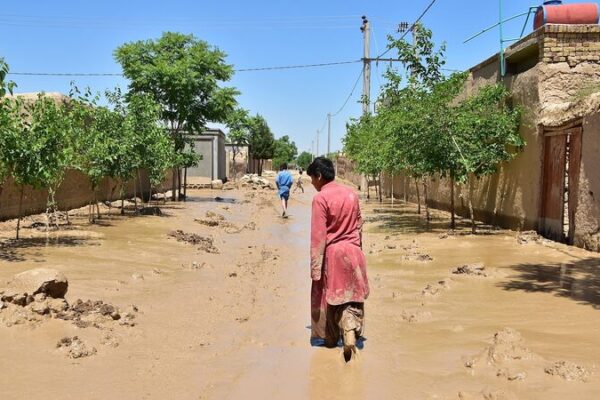
Recent devastating floods in Afghanistan and Brazil highlight concerns that extreme weather events are becoming the new normal due to climate change impacts.
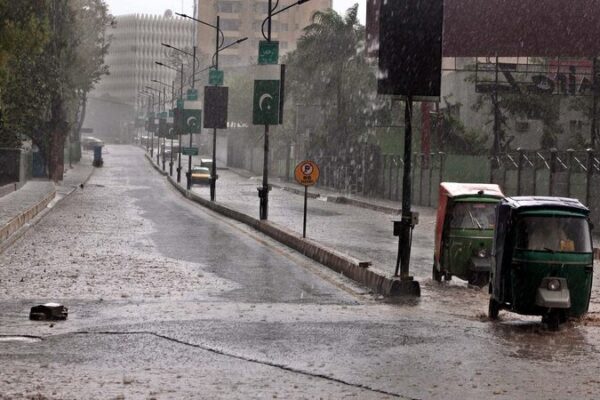
Pakistan records its wettest April since 1961, with rainfall more than double the average, intensifying concerns over climate change and extreme weather impacts.
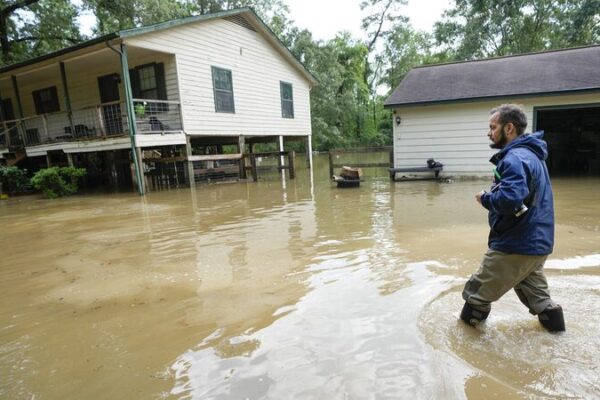
Severe floods in Texas have resulted in the tragic death of a child, highlighting the growing global concerns over extreme weather events and the urgent need for preparedness in communities worldwide.
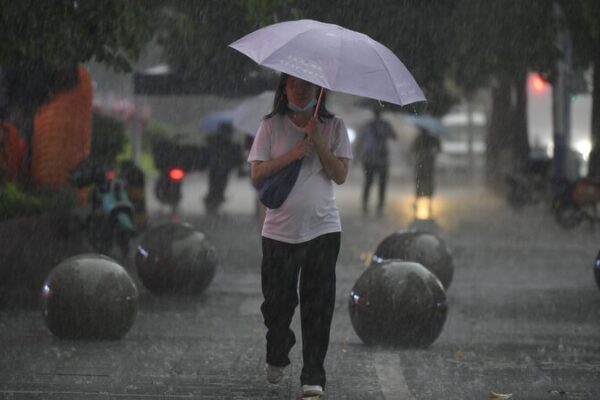
The Dongjiang River in south China’s Guangdong Province has experienced its first flood of 2024 due to heavy rainfall, prompting a Level-IV emergency response and concerns over extreme weather events.

An unprecedented heatwave is impacting millions across South and Southeast Asia, with Thailand reporting at least 30 heatstroke deaths. The extreme temperatures highlight growing climate change risks.
Europe is warming at twice the global average, reaching 2.3°C above pre-industrial levels, warns a new report by the WMO and Copernicus. The findings highlight severe impacts on health, economy, and environment.
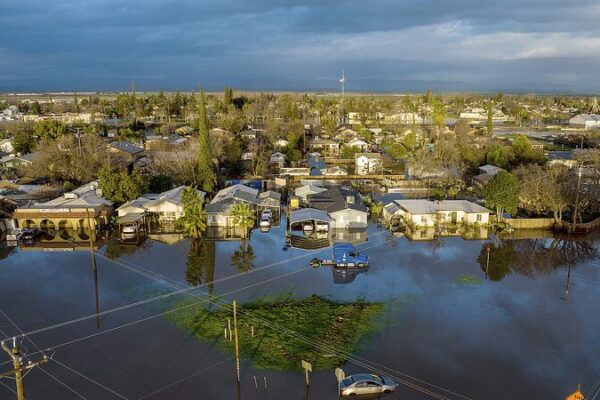
Extreme weather events are surging in 2023, with record rainfall in the UAE and severe drought in southern Africa, reflecting emerging climate patterns with global implications.

Unseasonably warm winter temperatures have fueled deadly tornadoes in the U.S. Midwest, highlighting global concerns over climate change and extreme weather patterns.

An extreme winter in Mongolia has led to the death of over two million livestock, devastating herding communities and highlighting the growing impact of climate change on the region.

An extreme winter in Mongolia has led to the death of over 2 million livestock, threatening livelihoods and the nation’s economy.

Unprecedented flooding in Greece’s Thessaly plain has submerged vital farmlands, highlighting the risks extreme weather poses to European agriculture and the need for adaptive strategies.
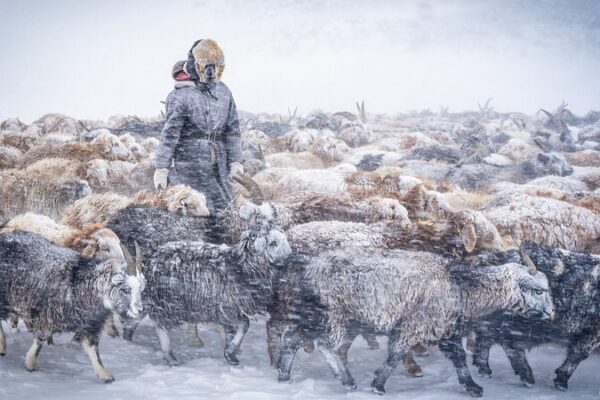
Over 600,000 livestock animals have perished in Mongolia this winter due to the extreme cold known as ‘dzud,’ impacting herders and the nation’s economy.

Study finds climate change intensifies extreme weather, leading to worse desert locust outbreaks and heightened food security risks.
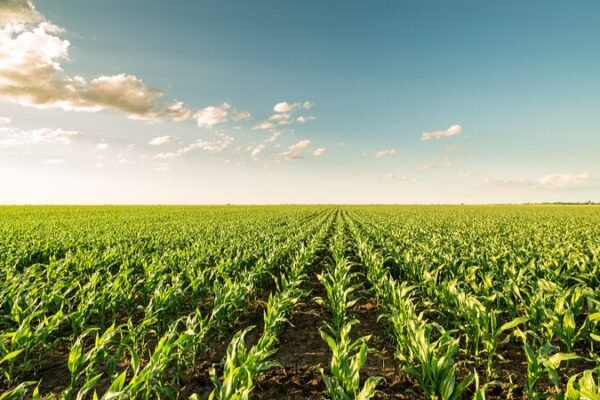
Experts warn that climate change, extreme weather events, and water quality will challenge New Zealand’s agriculture over the next decade, urging strategic responses to ensure sustainability.

Severe blizzards and freezing rain have disrupted China’s Spring Festival travel rush, stranding travelers for hours and highlighting the challenges of managing the world’s largest human migration.

As the U.S. faces a deep freeze while much of the world warms, scientists explain how this weather paradox fits into the broader picture of climate change.