
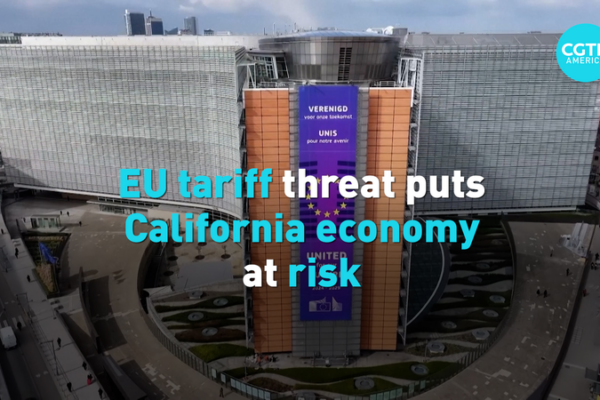
EU Tariff Uncertainty Casts Shadow Over California’s Key Sectors in 2026
Ongoing EU tariff uncertainties in 2026 threaten California’s agriculture, tech, and manufacturing sectors amid volatile global trade relations.
News & Insights Across Asia
Ongoing EU tariff uncertainties in 2026 threaten California’s agriculture, tech, and manufacturing sectors amid volatile global trade relations.

Hungarian Foreign Minister Peter Szijjarto criticizes the EU’s decision to impose tariffs on Chinese-made electric vehicles, calling it harmful to the EU economy and urging enhanced cooperation with China.

German testing company TÜV Rheinland plans to expand in China’s Greater Bay Area. CEO Michael Fübi discusses Shenzhen investments, impact of EU tariffs on Chinese EV exports, and sustainability commitments with CGTN.
The European Union’s new tariffs on Chinese electric vehicles signal rising tensions in the global automotive market, challenging China’s significant role in advancing sustainable, affordable green technology.
The European Commission’s decision to impose additional tariffs on electric vehicles built in China has been criticized by China’s Ministry of Commerce as unjustifiable and a threat to global free trade.
China, the UK, and Germany have criticized the EU’s decision to impose additional tariffs on Chinese-built electric vehicles, raising concerns about potential trade conflicts and impacts on global EV markets.
The European Union imposes five-year tariffs on Chinese electric vehicles, citing fair market practices. China’s Ministry of Commerce opposes the move, pledging to safeguard its companies’ interests.
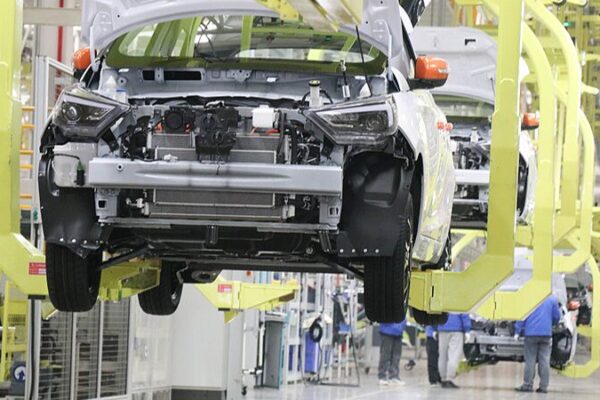
Bloomberg warns that the EU’s decision to impose tariffs on Chinese EVs may backfire, undermining decarbonization goals and sparking a trade war that could harm both economies.
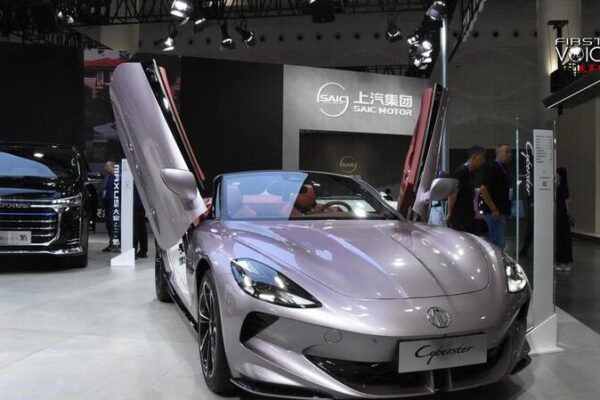
The EU’s recent tariffs on Chinese-made electric vehicles have sparked debate over whether the measures ensure fair competition or are politically motivated actions that may harm economic relations.

The European Union’s decision to impose tariffs on Chinese electric vehicles sparks debate over economic and geopolitical consequences.

The European Union has approved new tariffs on Chinese battery electric vehicles, ranging from 7.8% to 35%, citing concerns over foreign subsidies. The move aims to protect European automakers from growing competition.
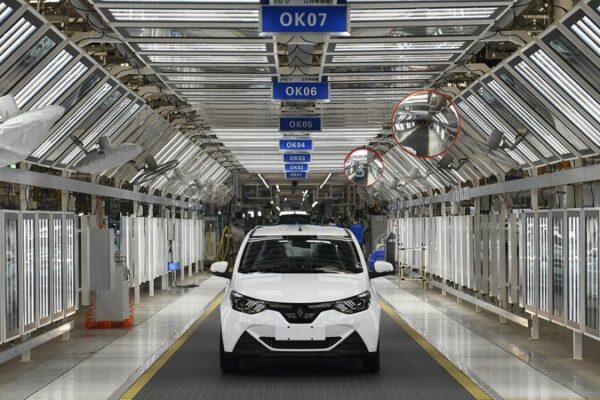
China and European stakeholders express serious concerns following the EU’s decision to impose tariffs of up to 45% on Chinese electric vehicle imports, warning of impacts on competitiveness and urging dialogue.
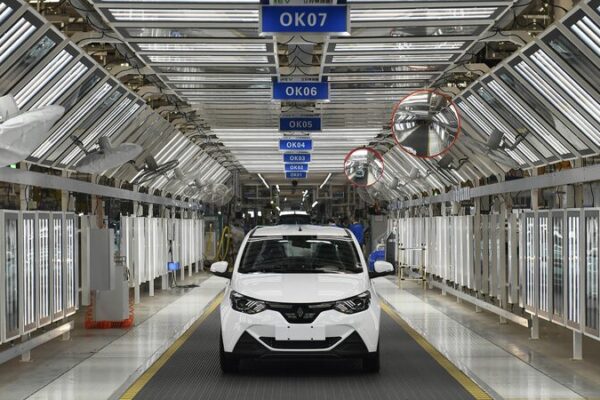
The EU’s decision to impose tariffs up to 45% on Chinese electric vehicle imports has sparked serious concerns from both sides, with warnings it could harm the competitiveness of the European auto industry.

German manufacturing leaders oppose EU’s proposed tariffs on Chinese electric vehicles, calling for dialogue and cooperation to sustain global automotive growth.

China’s Commerce Ministry expresses deep disappointment as the EU rejects proposals from Chinese EV producers to avoid tariffs, potentially escalating trade tensions.

Daniel Gros, director of the Centre for European Policy Studies, says the European Commission is likely to approve tariffs on Chinese EVs, but notes the impact may be limited due to China’s cost advantages.
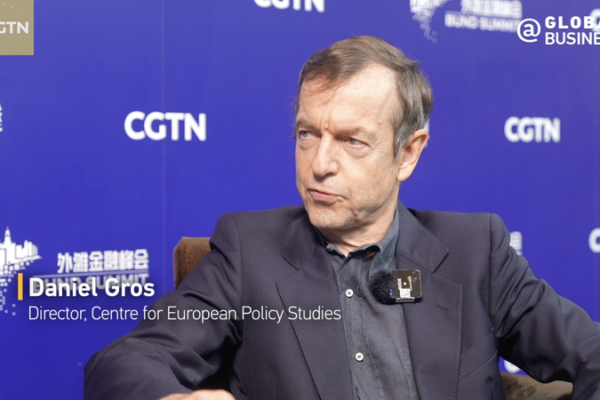
Daniel Gros, director of the Centre for European Policy Studies, discusses why the EU’s proposed tariffs on Chinese electric vehicles may have a limited impact, as shared in his interview at the Bund Summit.
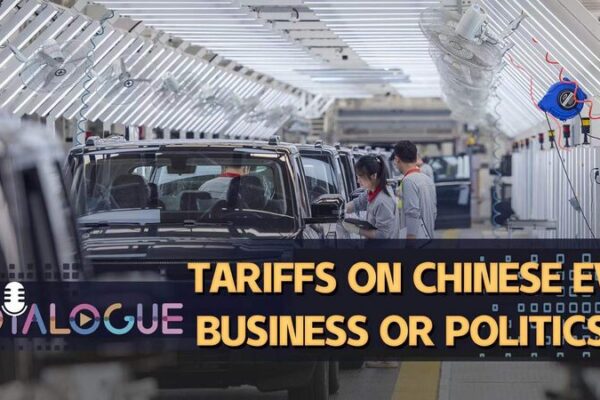
European Commission’s tariffs on Chinese EVs spark debate. Will they protect local industry or limit consumer access to affordable EVs? Experts explore potential impacts and countermeasures.

China reacts strongly to the European Commission’s proposed tariffs on its electric vehicles, accusing the EU of undermining fair competition under the guise of defending fairness.
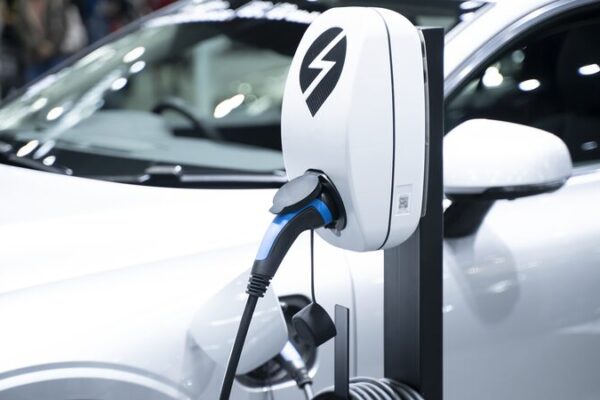
China has filed a complaint with the WTO over EU tariffs on electric vehicles made in China, highlighting tensions in international trade and the growing importance of China’s EV industry.