
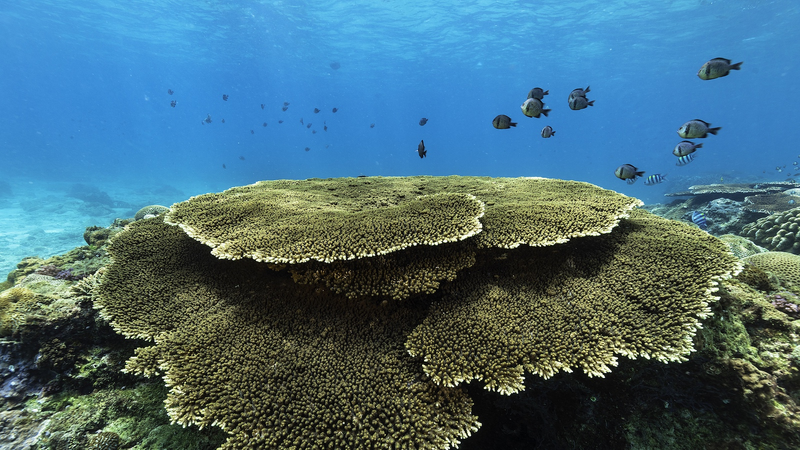
Hainan’s Coastal Waters Maintain High Ecological Standards in 2025
A 2025 report highlights Hainan Island’s thriving marine ecosystems, with top-tier seawater quality and rich biodiversity, underscoring successful conservation efforts.
News & Insights Across Asia
A 2025 report highlights Hainan Island’s thriving marine ecosystems, with top-tier seawater quality and rich biodiversity, underscoring successful conservation efforts.

China maintains over 56.35 million hectares of wetlands through extensive conservation efforts, including the implementation of over 3,700 projects and significant mangrove restoration initiatives.
Three generations of forest rangers in Xinjiang have built a 14 km wide and 180 km long green barrier between two deserts over 60 years, transforming the landscape and protecting the land.
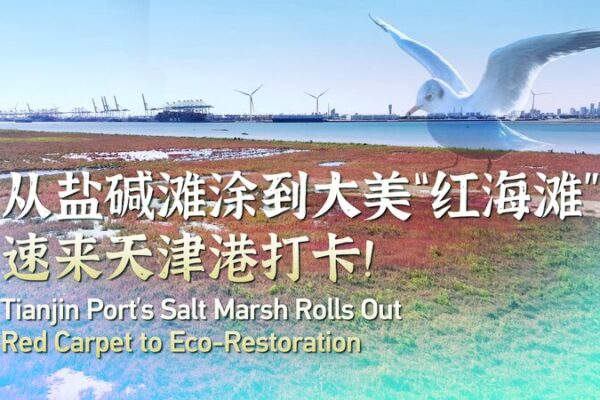
Discover how Tianjin Port is leading environmental conservation by transforming its salt marshes with seepweed, turning beaches bright red and paving the way to a cleaner, greener future.

At the UNCCD COP16 in Riyadh, the China Pavilion—the second-largest at the event—highlights China’s decades-long efforts to combat desertification, showcasing initiatives like the Three-North Shelterbelt Forest Program.

China has fully encircled the Taklimakan Desert with a 3,046-kilometer green belt, transforming the “Sea of Death” and marking a significant environmental milestone.

Discover how China combats desertification in the Taklimakan Desert using innovative methods like grass grids, photovoltaic power stations, and windbreak forests.

China and Latin America are strengthening their partnership through technological innovation, focusing on environmental conservation and economic development across the region.

At COP16 in Cali, Colombia, global leaders reached three significant agreements to protect biodiversity but highlighted a major shortfall in funding to combat the rapid decline of global wildlife populations.

Seventeen new insect species have been discovered in China’s Mt. Wuyi National Park after a three-year survey, highlighting the park’s rich biodiversity and ecological importance.
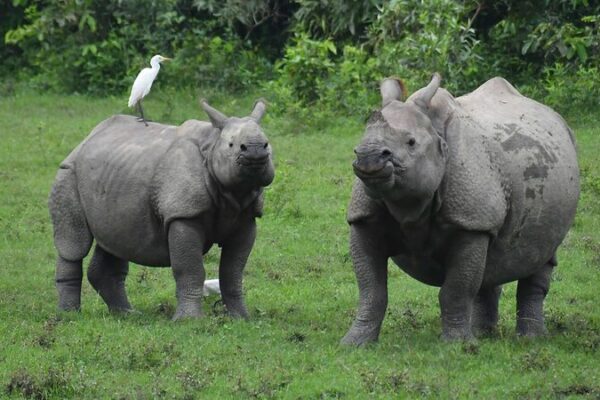
Wildlife populations have declined by 73% since 1970, according to WWF’s Living Planet Index. The report highlights the urgent need to address biodiversity loss and its impact on ecosystems vital to human life.

Decades of dedication have transformed Kekeya in Xinjiang from the edge of the Taklimakan Desert into a thriving green oasis, bringing ecological and economic benefits to the once arid land.

Xizang’s wetland protection efforts have revitalized local ecosystems, fostering eco-tourism and improving livelihoods for local communities.

The Mongolian scotch pine has become a vital force in combating desertification in northern China. Since its introduction in the 1950s, it serves as the flagship species of China’s Great Green Wall.

Beijing International Film Festival award-winner Gasthoori Manickam embarks on a journey across China, uncovering how the nation addresses environmental challenges and ensures the benefits of progress reach everyone.

The Weihe River, largest tributary of the Yellow River, is being revitalized, rekindling its historical significance to Xi’an City and China’s ancient civilization.

China’s first report on the coral reef ecosystem at Xianbin Jiao in Nansha Qundao reveals a generally healthy state with some localized damages, highlighting the need for continued conservation efforts.
Discover the epic journey of CGTN’s Tian Wei and UNDP’s Beate Trankmann as they explore the source of China’s three great rivers in the breathtaking Sanjiangyuan National Park.
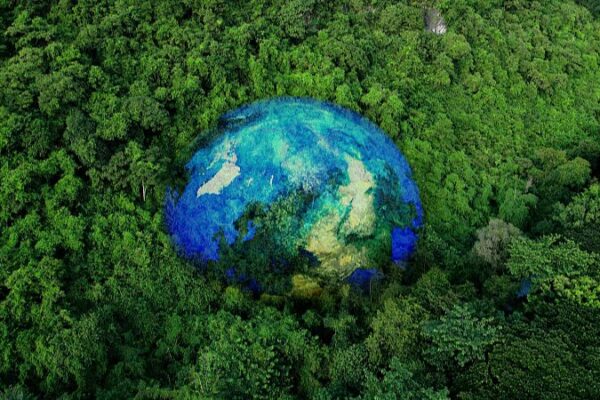
On August 15th, China celebrated National Ecology Day, showcasing its commitment to environmental conservation and sustainable development across its diverse provinces.

The Liyuan Hydropower Station on the Yangtze River showcases China’s commitment to sustainable development, integrating engineering excellence with environmental preservation.