
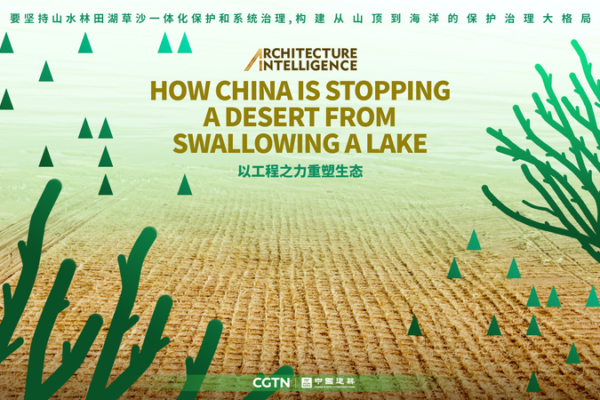
China’s Engineering Marvel: Halting Desert Expansion to Save a Lake
China combines engineered solutions with ecological governance to rescue Wuliangsuhai Lake from desertification, offering a model for arid regions worldwide.
News & Insights Across Asia
China combines engineered solutions with ecological governance to rescue Wuliangsuhai Lake from desertification, offering a model for arid regions worldwide.

One-third of the world’s tree species face extinction. In Malaysia, communities unite to restore native forests through reforestation, aiming to stabilize biodiversity and protect local ecosystems.

Conservation efforts in Hubei have led to a significant rise in the populations of the milu deer and Yangtze finless porpoise, two rare species under first-class state protection in China.

South Sudan launches a UN-backed, $33 million climate resilience project aiming to benefit over 75,000 people. Lessons from this initiative offer valuable insights for Asian agro-pastoral communities facing similar challenges.
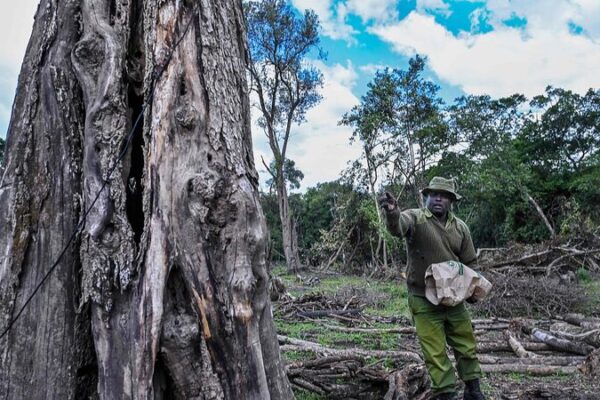
Seven innovative projects across Africa, Latin America, the Mediterranean, and Southeast Asia have been named UN World Restoration Flagships for their efforts in reviving degraded ecosystems.

Australian researchers have discovered that sound waves can significantly accelerate soil fungi growth, unlocking potential for ecosystem recovery and sustainable agriculture.

China has unveiled a plan to restore at least 30% of its degraded ecosystems by 2030, expanding nature reserves and protecting marine areas, emphasizing its commitment to biodiversity conservation.