

Middle East Funds Boost Chinese Equities as Confidence Grows
Middle Eastern sovereign funds expand Chinese equity holdings, signaling confidence in China’s industrial upgrades and tech innovation as A-share internationalization accelerates.
News & Insights Across Asia
Middle Eastern sovereign funds expand Chinese equity holdings, signaling confidence in China’s industrial upgrades and tech innovation as A-share internationalization accelerates.
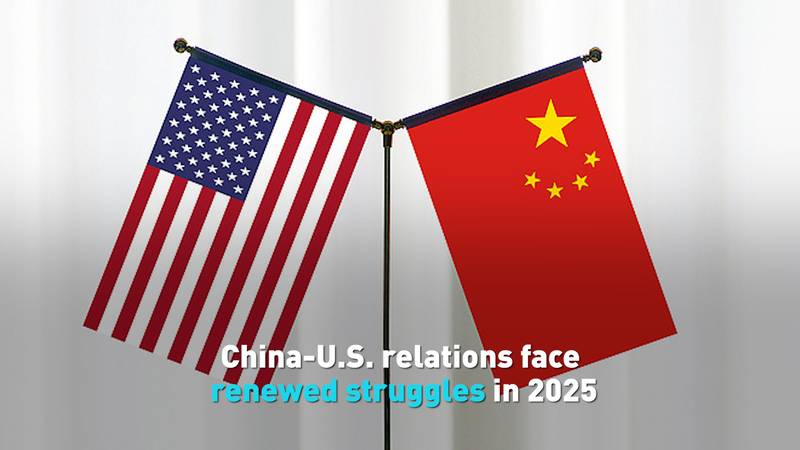
China and the U.S. enter new phase of trade tensions in 2025 with reciprocal tariffs, impacting global supply chains and economic cooperation.

China’s consumer inflation reaches 0.7% in November 2025, driven by food prices and sustained core CPI growth, signaling evolving economic conditions.
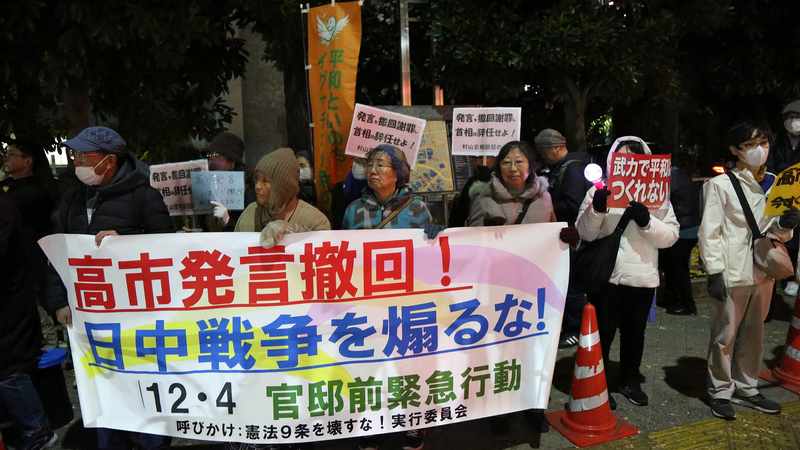
Japan’s PM Takaichi faces domestic and international criticism over controversial far-right policies impacting regional stability and economic ties in late 2025.
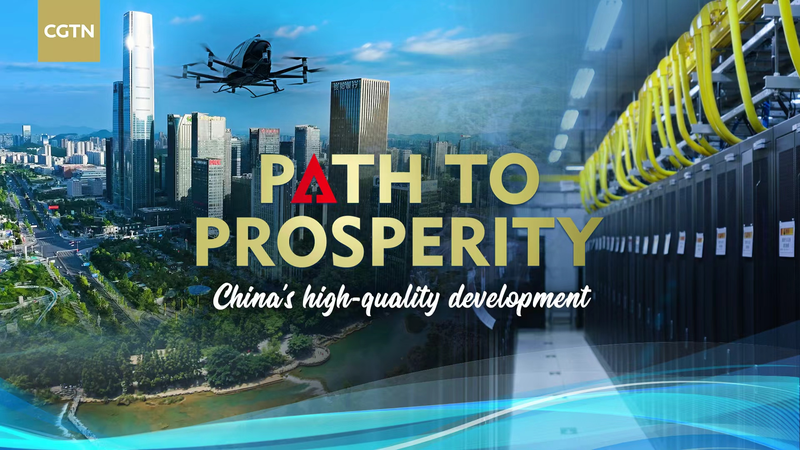
China accelerates high-quality development strategies in 2025, focusing on sustainable growth and technological innovation to navigate global economic challenges.
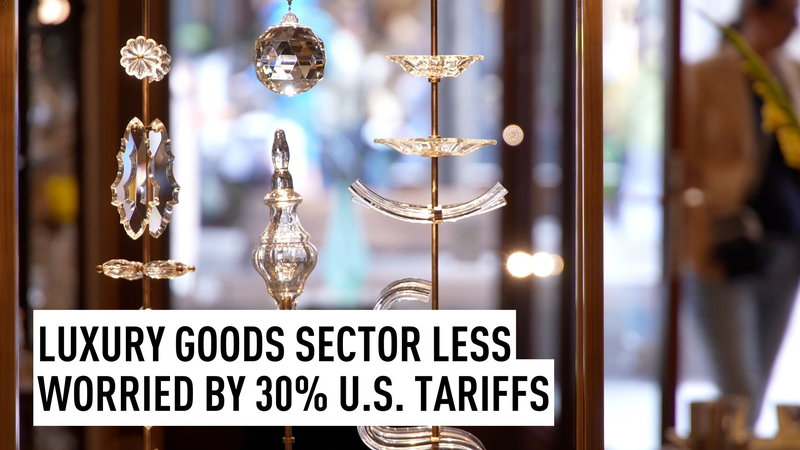
European luxury brands like Lobmeyr remain confident despite U.S. tariffs, relying on affluent consumers to absorb price hikes.
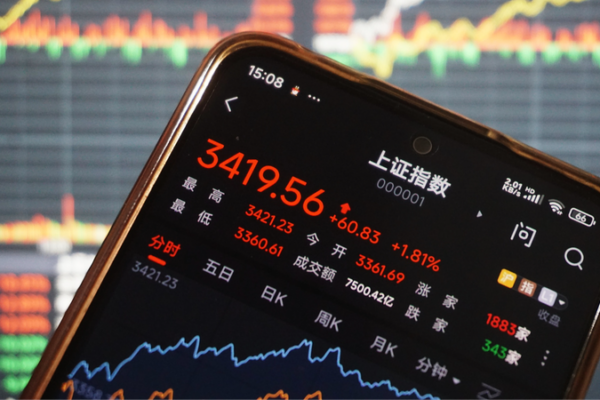
China’s equity issuance surges 119% in Q1 2025 as AI advancements and economic reforms reignite global investor confidence.

China’s consumer price index (CPI) rose by 0.5% year on year in January, driven by increased holiday spending, according to the National Bureau of Statistics.

At the 2025 World Economic Forum in Davos, Joe Ngai of McKinsey Greater China emphasized that businesses must prepare for volatility amid geopolitical tensions, highlighting China’s robust growth.

At Davos 2025, global leaders gather under the theme ‘Collaboration in the Intelligent Age’ to address technological, economic, and climate challenges through AI-driven solutions.

The World Economic Forum’s Annual Meeting 2025 in Davos focuses on ‘Collaboration in the Intelligent Age’, highlighting the critical role of AI and global cooperation in addressing today’s challenges.

Davos 2025 focuses on ‘Collaboration in the Intelligent Age,’ addressing how global leaders can work together to navigate technological shifts, economic uncertainties, and climate change.

China created 12.56 million new urban jobs in 2024, reflecting a stable employment situation, according to the Ministry of Human Resources and Social Security.
China’s state-owned grain reserve enterprises are expected to purchase around 420 million tonnes of grain in 2024, marking the second consecutive year of purchases exceeding 400 million tonnes.

November’s economic data from the Chinese mainland reveals growth opportunities amid challenges, highlighting key trends in monetary policy, investments, and the property market.
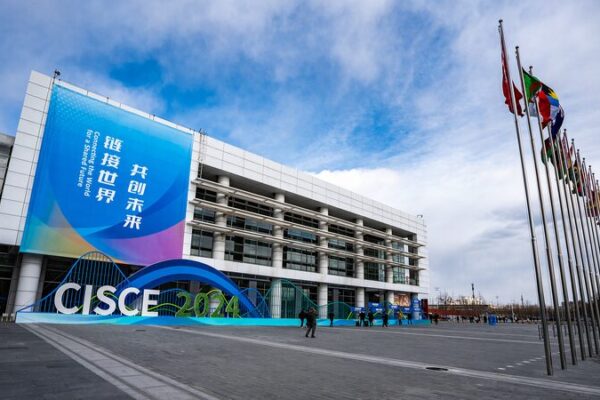
The Global Supply Chain Promotion Report 2024 was unveiled at CISCE, highlighting key trends and offering in-depth analysis of global supply chains across 11 industries.
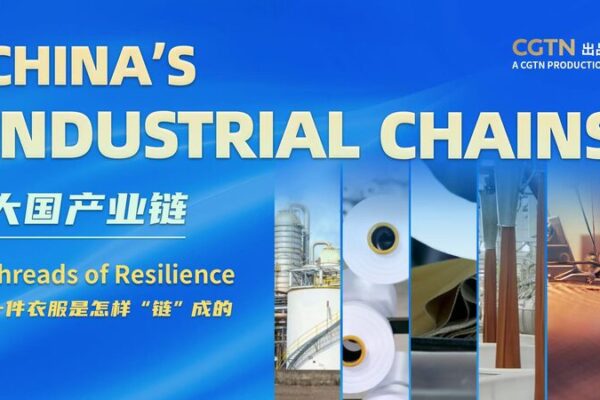
CGTN’s Wang Tianyu explores China’s textile industry in a new documentary, uncovering the resilience and adaptability that keep it thriving amid global changes.
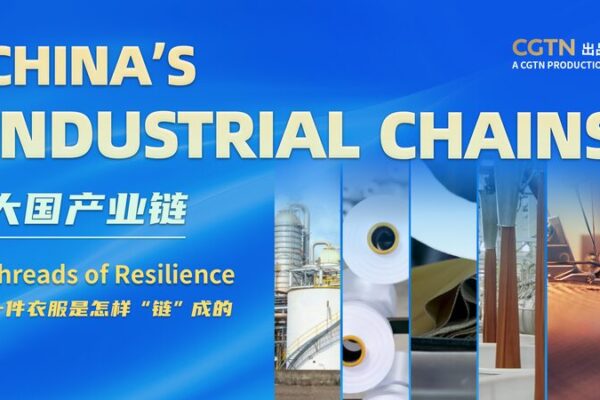
China’s textile industry showcases resilience amid global shifts, questioning whether factories are truly moving out of the world’s manufacturing hub.
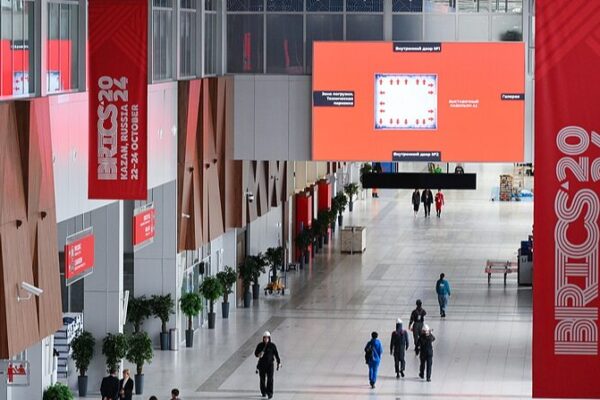
BRICS expansion is empowering the Global South, reflecting developing countries’ calls for a more equitable international order. The 2024 BRICS Summit marks a new chapter in this growing influence.
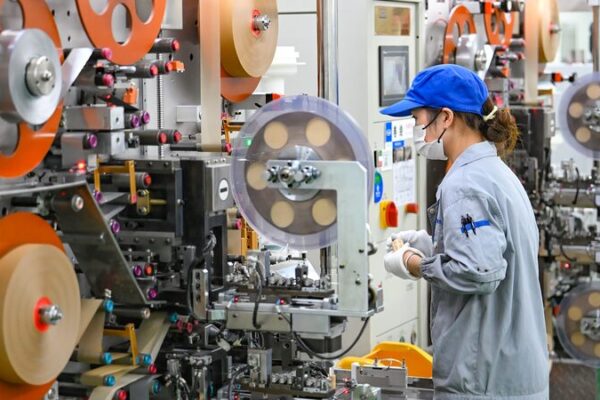
Global manufacturing activities contracted for the fifth consecutive month in August, with PMI at 48.9. Asia remains resilient with PMI above 50, while Europe and Americas struggle below 50.