

U.S. Trade Policy Shifts Spark Economic Strain in 2025
As U.S.-China trade negotiations continue into late 2025, analysts warn of mounting economic costs for American businesses and consumers amid ongoing tariff disputes.
News & Insights Across Asia
As U.S.-China trade negotiations continue into late 2025, analysts warn of mounting economic costs for American businesses and consumers amid ongoing tariff disputes.
The EU extends economic sanctions on Russia until July 2026, reinforcing measures targeting trade, energy, and finance while pledging continued support for Ukraine.

With Cuba facing its worst economic crisis in decades, the U.S. presidential election holds significant implications for the island nation, potentially reshaping a relationship strained by over 60 years of sanctions.
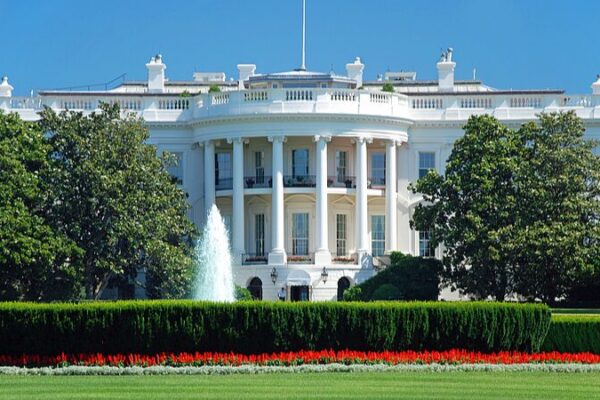
The United States has proposed new sanctions against China, targeting computer components in self-driving cars and citing national security concerns, raising questions about the motivations behind these actions.
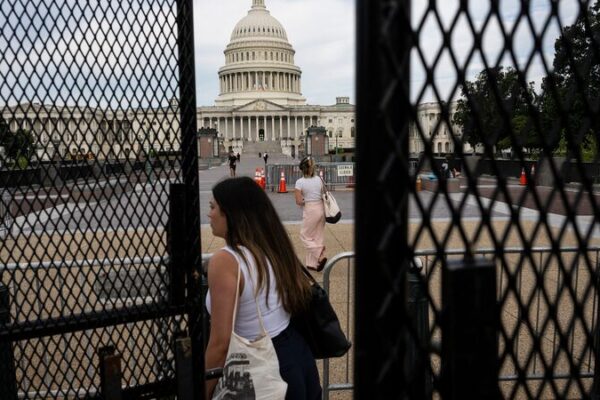
U.S. actions against Chinese companies, including the Biosecure Act, raise concerns about destabilizing global competition and exploiting trade rules under the guise of national security.
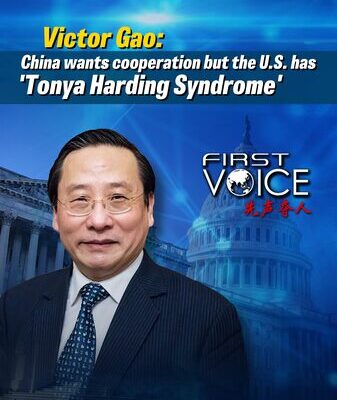
Victor Gao, vice president of the Center for China and Globalization, warns that U.S. sanctions against the Chinese mainland will backfire, likening the U.S. approach to ‘Tonya Harding Syndrome.’

Ben Norton of GeopoliticalEconomy.com criticizes U.S. sanctions proposals against China, calling them “hypocritical and self-serving” and accusing the U.S. of the same practices it condemns.