

China’s Balancing Act: Coordinating Demand Expansion and Supply-side Reforms
China embarks on a strategic path to coordinate demand expansion with supply-side reforms, aiming for balanced and sustainable economic growth.
News & Insights Across Asia
China embarks on a strategic path to coordinate demand expansion with supply-side reforms, aiming for balanced and sustainable economic growth.
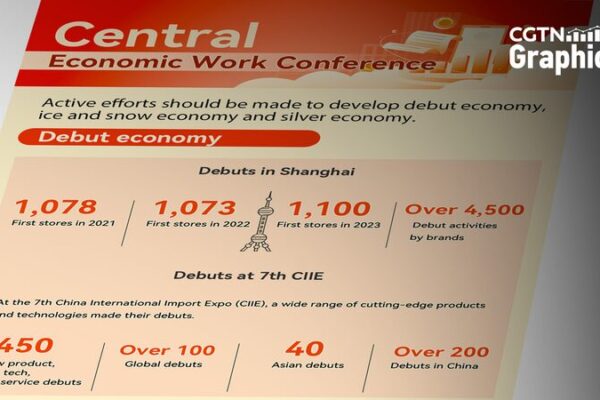
China will actively boost consumption and expand domestic demand as a priority for economic work in 2025, according to the Central Economic Work Conference that concluded last week.
China’s Central Economic Work Conference has outlined a strategic plan for 2025, emphasizing economic resilience, boosting domestic demand, and fostering high-quality development amidst global uncertainties.

Chinese leaders have set boosting consumption and expanding domestic demand as key economic priorities for 2025, as announced during the Central Economic Work Conference in Beijing.
China’s Central Economic Work Conference sets 2025 priorities to boost consumption, improve investment efficiency, and expand domestic demand, signaling adaptive and forward-looking growth strategies.
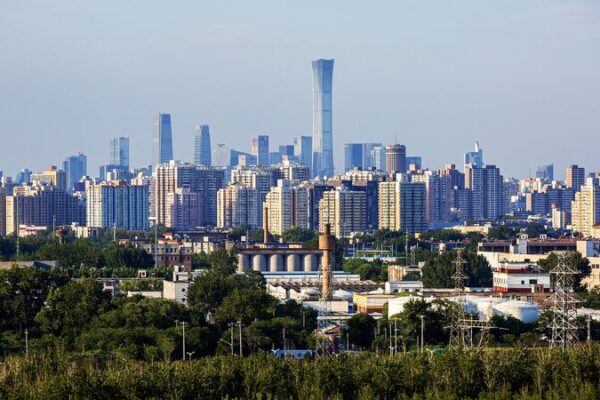
China’s Central Economic Work Conference outlines a more proactive fiscal policy and moderately accommodative monetary policy for 2025, emphasizing expanded domestic demand to drive economic growth.

High-quality development remains the cornerstone of China’s economic priorities for 2025, focusing on expanding domestic demand and stabilizing employment to reinforce economic growth.
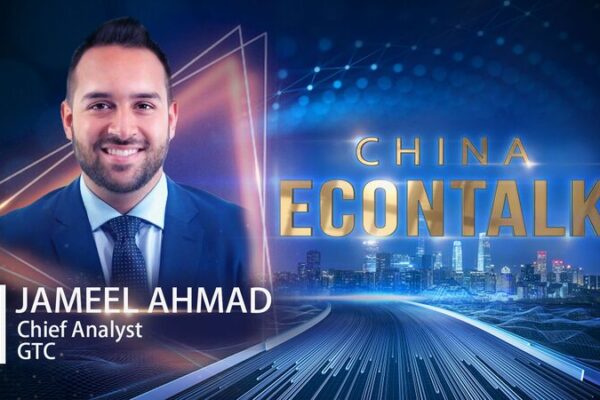
Analyst Ameel Ahmad predicts that China may introduce more direct stimulus measures to boost domestic demand, as consumer prices hold steady and producer prices decline amid global economic challenges.

Facing declining exports amid de-globalization, China is turning to expansionary fiscal policy to boost domestic demand and ensure economic stability. This strategy focuses on promoting innovation and securing essential resources.

China implements new policies to boost domestic demand and investment, enhancing economic growth as year-end approaches.
China is launching nationwide consumption promotion events in November, focusing on five major cities to boost domestic demand and support economic growth.

China’s economy continues to demonstrate resilience and steady growth amid global uncertainties, with high-tech manufacturing driving industrial profits and consumer confidence on the rise.

Economist Yu Yongding highlighted the need to boost China’s domestic demand, stating that the country’s real challenge is a lack of effective demand, not overcapacity, at the 2024 Bund Summit.

China’s economy showed significant strengths in Q2 2024 with improved industrial production and exports, but challenges remain in boosting domestic demand, according to a CF40 report.
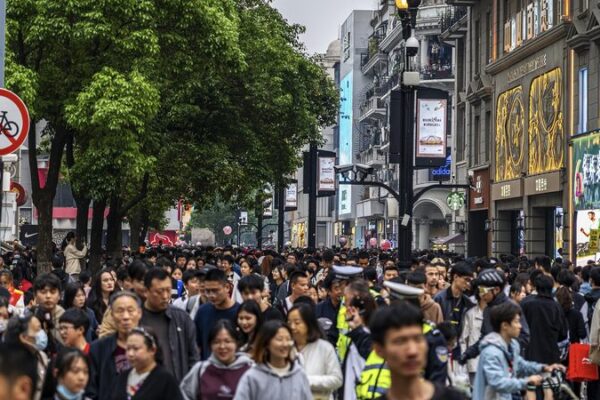
China’s Consumer Price Index (CPI) has shown steady growth over the past four months, signaling a revival in consumer spending and an expansion of domestic demand, supported by rising incomes and lower unemployment.

China’s tourism industry sees a robust revival, with industry leaders sharing insights on the 2023 boom and future prospects. The surge during the May Day holiday highlights the sector’s role in economic development.
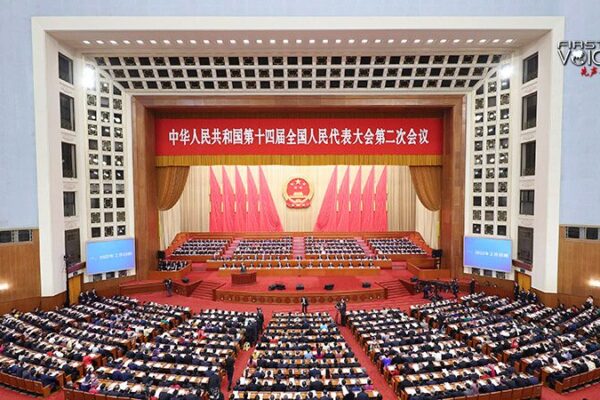
China sets its GDP growth target at around 5%, focusing on innovation and domestic demand to tackle structural challenges, making the target attainable amid global economic uncertainties.
Experts highlight China’s significant potential for economic growth, citing robust domestic demand and abundant resources as key drivers for future expansion.
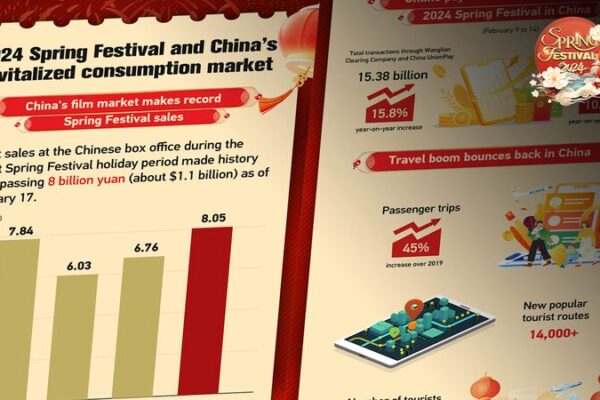
As the 2024 Spring Festival approaches, China’s revitalized consumption market is poised to boost economic growth, with more people integrating travel and entertainment into their holiday traditions.
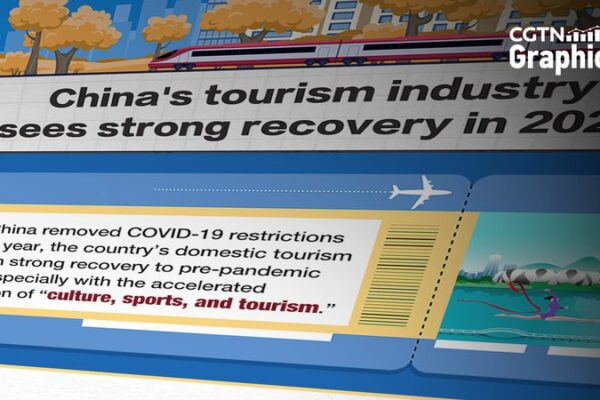
China’s tourism industry rebounds in 2023, with revenues nearly returning to pre-pandemic levels, driven by pent-up domestic demand and the integration of “culture, sports, and tourism”.