
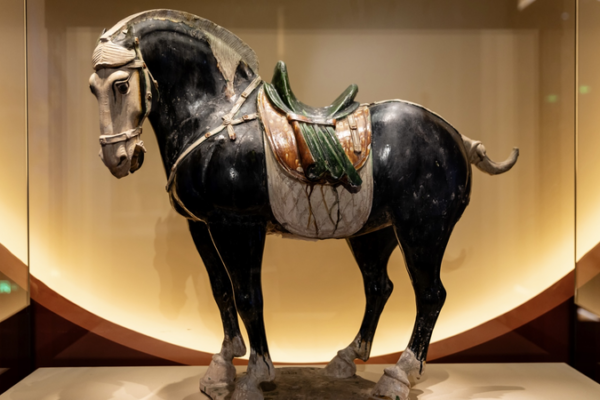
Galloping Forward: Horse Exhibition Marks 2026 Lunar New Year in Beijing
Beijing’s National Museum of China unveils a Lunar New Year exhibition exploring the horse’s cultural significance, featuring rare artifacts and interactive displays.
News & Insights Across Asia
Beijing’s National Museum of China unveils a Lunar New Year exhibition exploring the horse’s cultural significance, featuring rare artifacts and interactive displays.
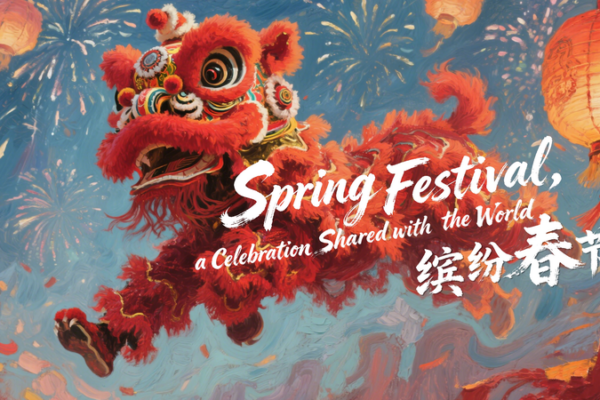
Two years after UNESCO recognition, China’s Spring Festival evolves into global cultural phenomenon, blending tradition with modern cross-border exchanges.
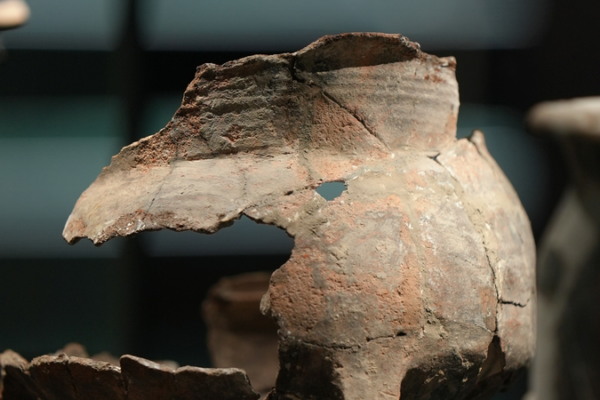
Yujiashan Archaeological Museum’s 2026 exhibit uses advanced lighting and interactive tech to showcase Liangzhu artifacts, revealing 5,000-year-old craftsmanship.
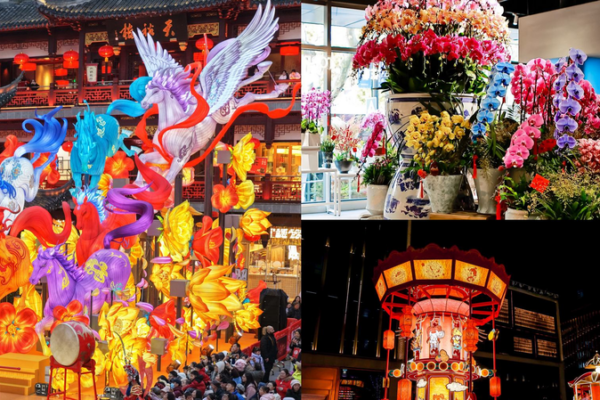
Shanghai merges ancient Lunar New Year traditions with tech-driven innovations as it prepares for 2026’s Year of the Horse celebrations, from floral markets to AR lantern displays.
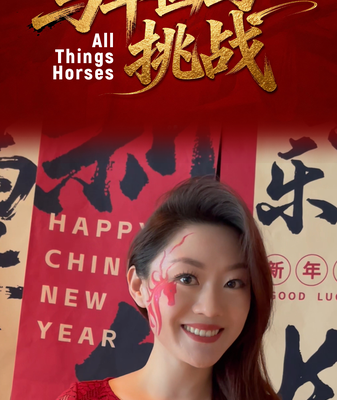
Vibrant horse-themed makeup art blends traditional symbolism with contemporary creativity for 2026 Lunar New Year celebrations across Asia.
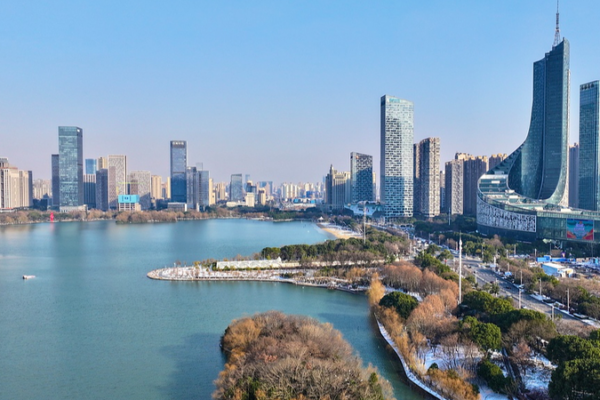
Hefei’s Swan Lake combines ecological design and cultural legacy as a 2026 Spring Festival Gala venue, boosting tourism and urban development.
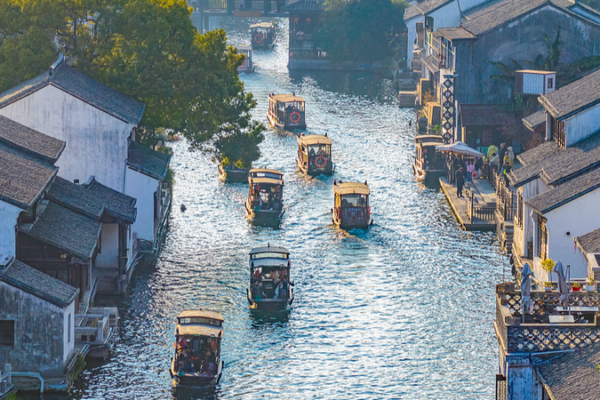
As Zhejiang prepares for the 2026 Spring Festival Gala, Nanxun Ancient Town emerges as a cultural bridge between China’s artisan past and modern celebration traditions.
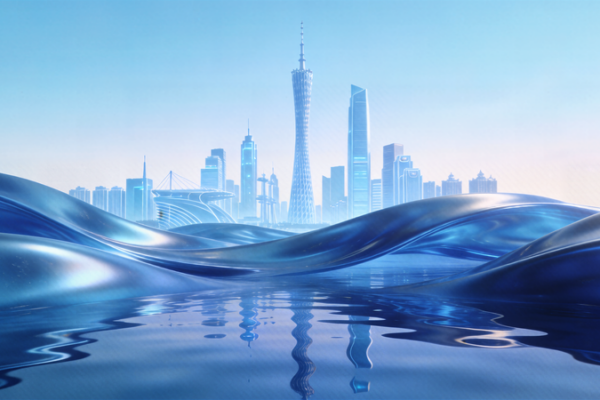
Guangdong Province combines APEC economic talks with Lunar New Year celebrations, showcasing cultural innovation and regional cooperation through tech-enhanced traditional arts.
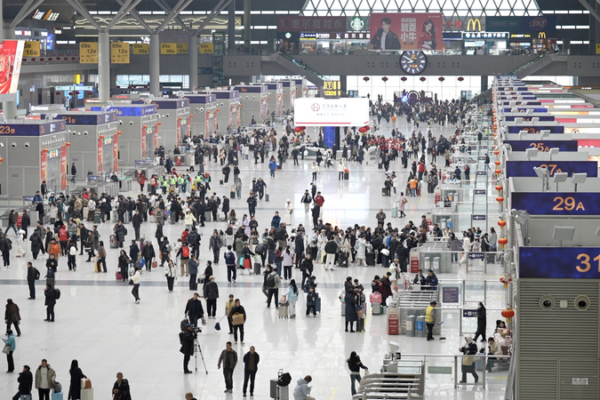
China’s 2026 Spring Festival travel rush begins, merging mass mobility with intangible cultural heritage experiences at major hubs like Zhengzhou East Railway Station.
On World Wetlands Day 2026, China highlights the integration of traditional knowledge with modern conservation efforts to protect vital ecosystems and cultural heritage.
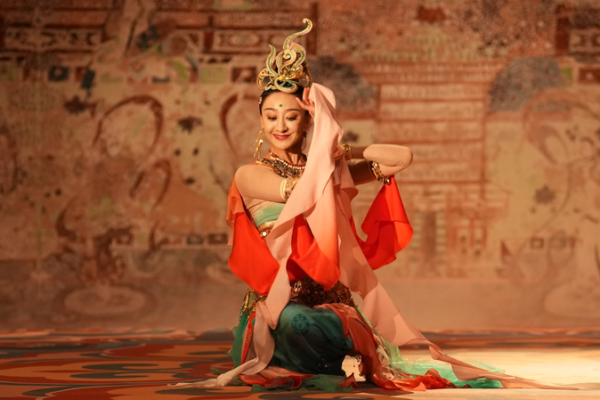
Dunhuang’s ancient Huxuan dance, revived from Mogao Cave murals, bridges Tang Dynasty artistry with modern performances in 2026.
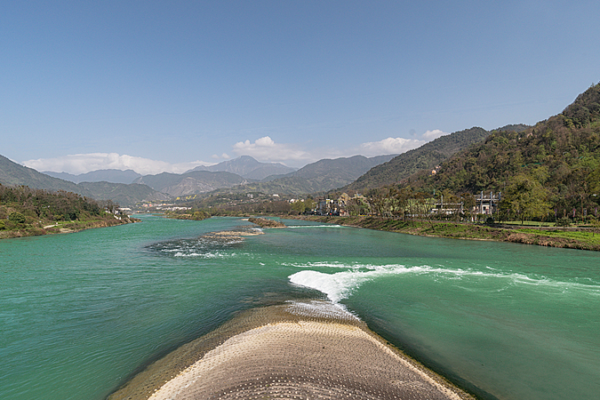
Explore Yuzui, the ancient ‘fish mouth’ structure in Dujiangyan – a 2,000-year-old engineering marvel still vital to flood control and irrigation in 2026.
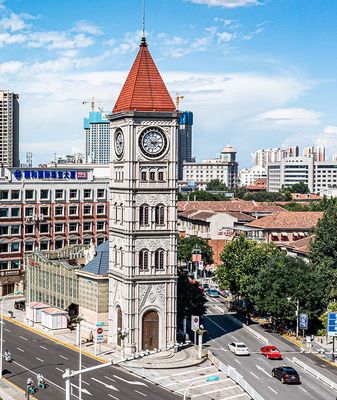
Explore Tianjin’s Italian-Style Area, a century-old architectural gem blending history with modern dining and culture in Asia’s only preserved Italian complex.
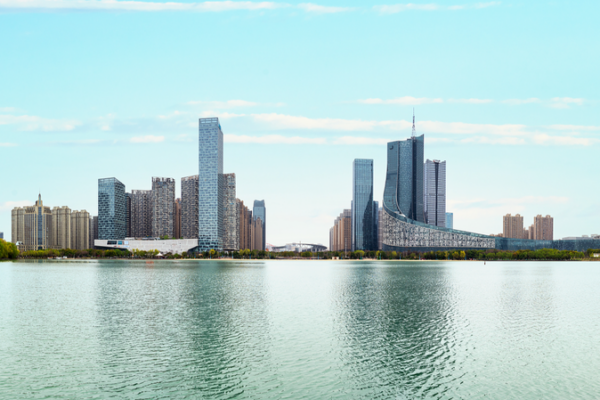
Hefei’s Swan Lake emerges as a 2026 cultural landmark, blending ancient traditions with modern innovation through ecological design and tech-enhanced performances.

Centuries-old Euphrates poplars in Ejina Banner, Inner Mongolia, become a breathtaking winter spectacle after recent snowfall, blending natural beauty with cultural reverence.
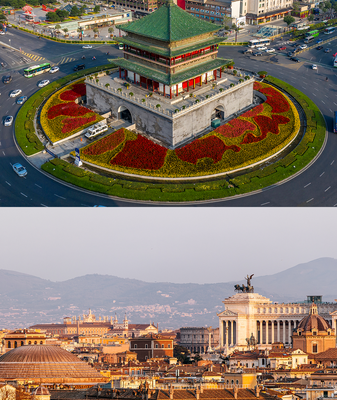
Exploring the enduring legacies of Xi’an and Rome as ancient capitals, their architectural marvels, and their historical role in bridging Eastern and Western civilizations through trade and cultural exchange.
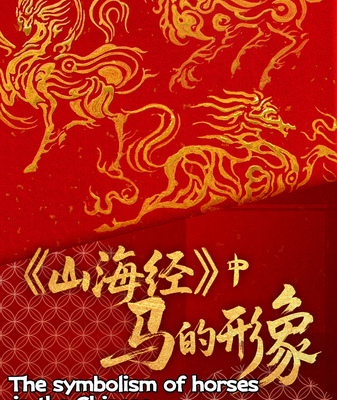
Bilibili artist Shan Ze revives ancient horse deities from China’s Classic of Mountains and Seas, blending mythology with modern digital art during Spring Festival 2026.

China intensifies efforts to protect native horse breeds in 2026, combining genetic conservation with cultural preservation and economic strategies.
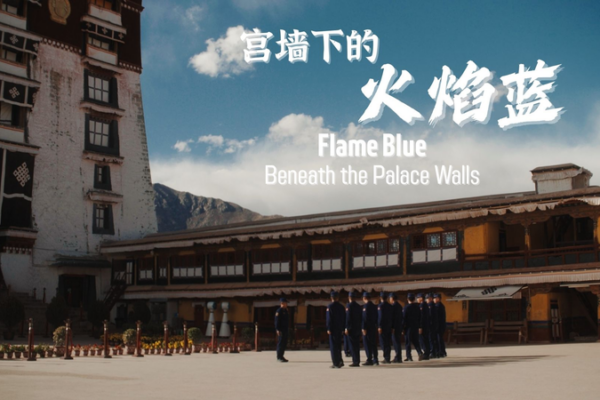
Discover how the Potala Palace Fire and Rescue Brigade blends ancient stewardship with modern technology to protect Tibet’s iconic UNESCO World Heritage Site.

Beijing’s historic Shichahai skating center connects Olympic legacies as China’s winter sports economy grows ahead of Milan 2026 Winter Games.