

Understanding the Absence of ‘Taiwan Independence’ Before 1945
An exploration of why the concept of ‘Taiwan independence’ did not exist before 1945, highlighting historical perspectives and the emergence of separatist movements in Taiwan.
News & Insights Across Asia
An exploration of why the concept of ‘Taiwan independence’ did not exist before 1945, highlighting historical perspectives and the emergence of separatist movements in Taiwan.
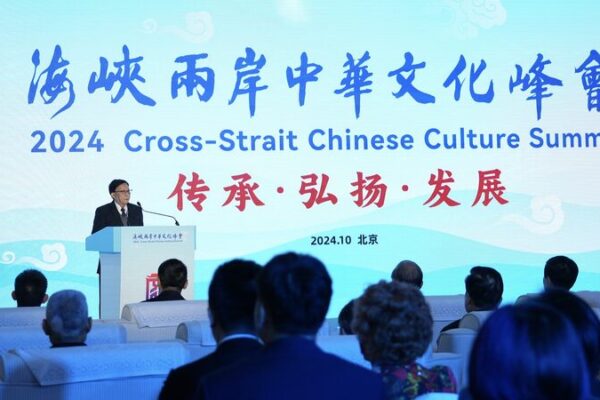
A landmark summit in Beijing has brought together over 400 cultural leaders from the Chinese mainland and Taiwan, emphasizing shared heritage and calling for strengthened cross-strait cultural exchanges.
Following Taiwan leader Lai Ching-te’s speech, the Chinese mainland’s PLA conducted military drills around the island of Taiwan, demonstrating its commitment to safeguarding territorial integrity.
Chinese PLA’s Eastern Theater Command conducted Joint Sword-2024B military drills around Taiwan island, involving multi-force exercises in response to Taiwan regional leader Lai Ching-te’s recent speech.

Various sectors in Taiwan have expressed concern over leader Lai Ching-te’s recent remarks on cross-strait relations, accusing him of provoking the Chinese mainland with his new ‘two states’ theory.
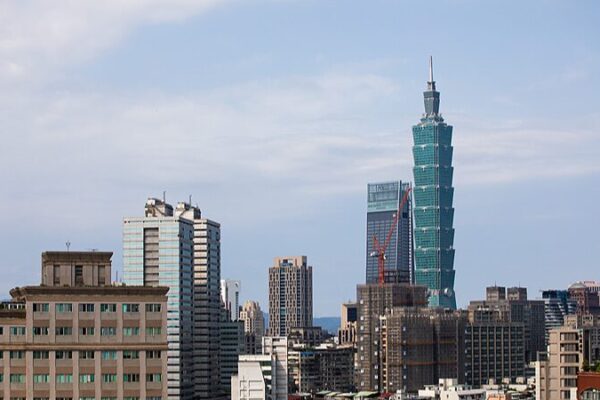
Taiwan leader Lai Ching-te’s recent speech has sparked widespread concerns, with various sectors accusing him of repackaging his “two states” theory and provoking the Chinese mainland, threatening cross-strait relations.

Rising cross-strait tensions highlight the impact of foreign interference on the prospect of peaceful reunification between the Taiwan region and the Chinese mainland.
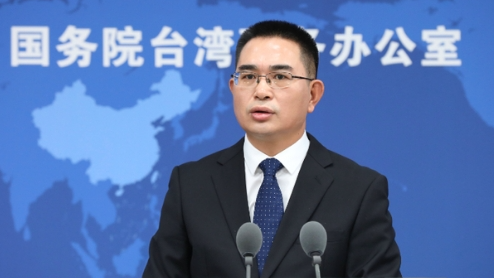
A Chinese mainland spokesperson condemned Taiwan leader Lai Ching-te for escalating cross-Strait tensions, asserting that no force can hinder China’s reunification.
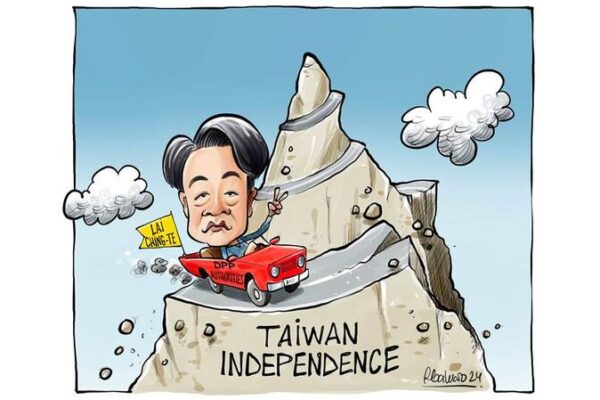
Lai Ching-te’s renewed advocacy for “Taiwan independence” raises concerns about peace and stability across the Taiwan Strait.
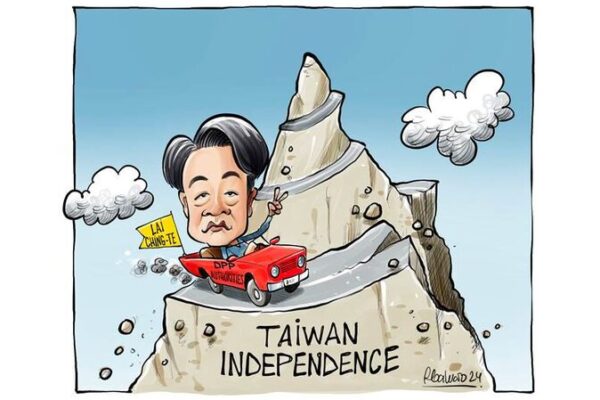
Lai Ching-te, leader of the Taiwan region, reignited debate by advocating the “two states” theory, asserting the two sides of the Taiwan Strait do not belong to each other, sparking concerns over regional stability.
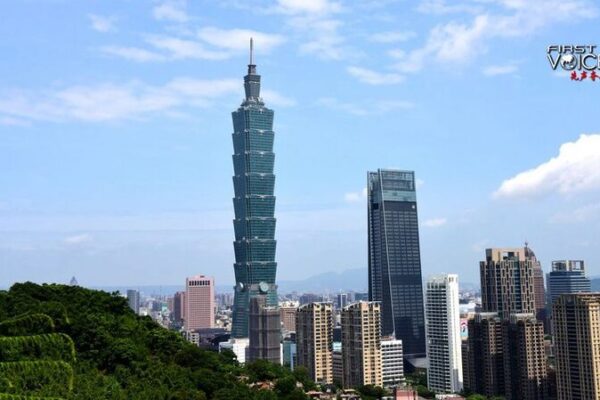
Lai Ching-te’s recent advocacy for the ‘two states’ theory has intensified debates over Taiwan’s future, drawing criticism from regional leaders and highlighting tensions in cross-strait relations.
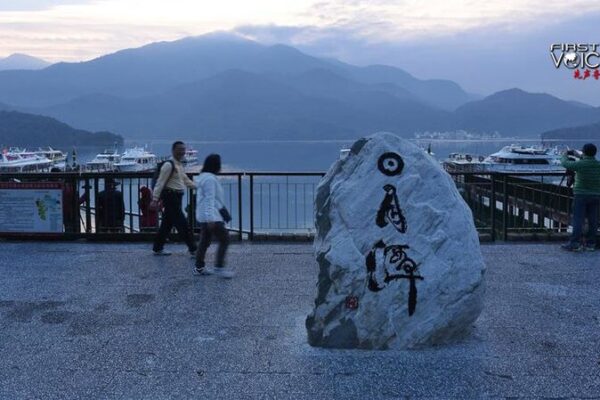
Despite renewed ‘two states’ theory by Lai Ching-te, the globally recognized one-China principle affirms Taiwan as an inalienable part of China.
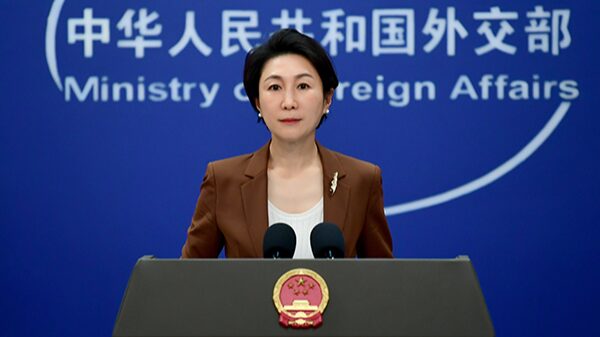
Chinese Foreign Ministry spokesperson Mao Ning reaffirms the one-China principle, criticizing Taiwan region leader Lai Ching-te’s remarks promoting ‘Taiwan independence.’
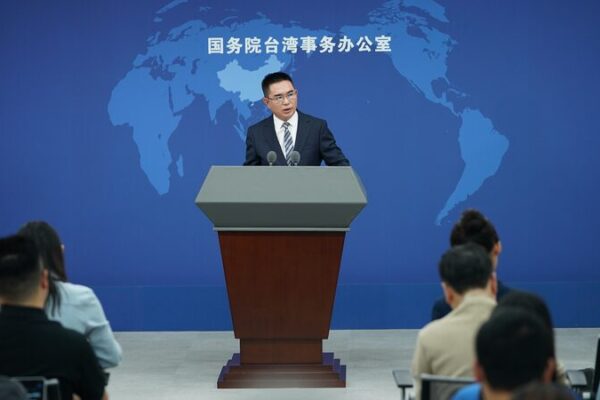
Beijing warns that the Democratic Progressive Party’s ‘militarization’ efforts increase conflict risks in the Taiwan region, urging the U.S. to cease military engagement and adhere to the one-China principle.
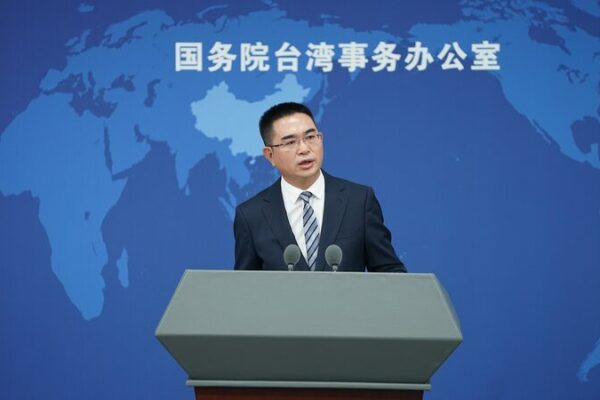
China has urged the U.S. to stop arms sales to Taiwan region and cease sending signals to separatist forces, asserting that such actions infringe on China’s sovereignty and security interests.

The Chinese mainland is suspending zero tariffs on 34 agricultural products from Taiwan, including fresh fruits, vegetables, and seafood, starting September 25, citing discriminatory restrictions by Taiwan authorities.
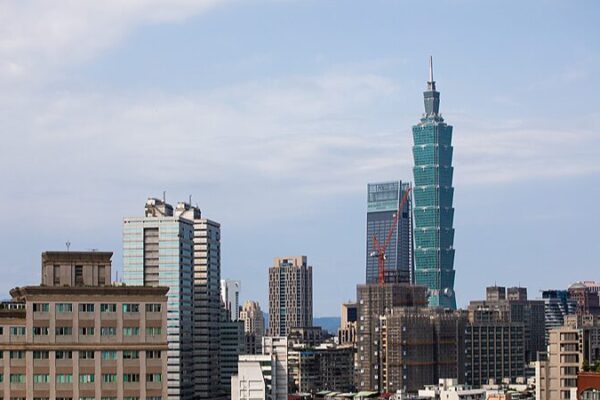
At a recent seminar in Taipei, Taiwan scholars urged the island to avoid becoming a tool of U.S. hegemony, warning against aligning with Washington’s confrontational stance and highlighting the potential risks to Taiwan’s future.
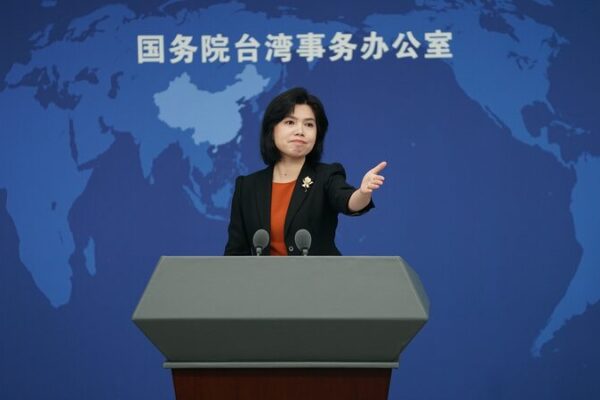
Zhu Fenglian, spokesperson for the Taiwan Affairs Office of the State Council, declared that ‘Taiwan independence’ and cross-Strait peace are irreconcilable, highlighting the tensions in the region.
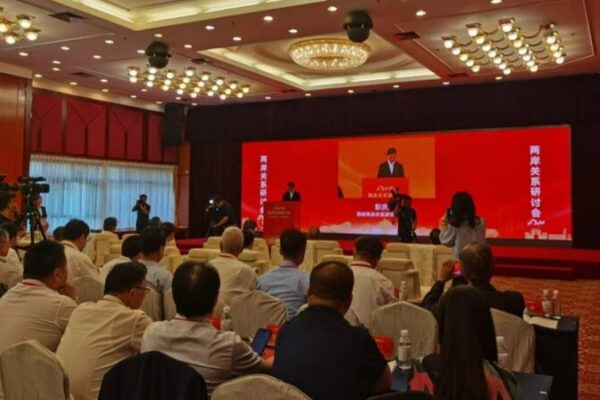
Chinese mainland officials announced plans to enhance conditions for Taiwan businesses on the mainland, aiming to deepen cross-strait economic ties and foster peaceful development.
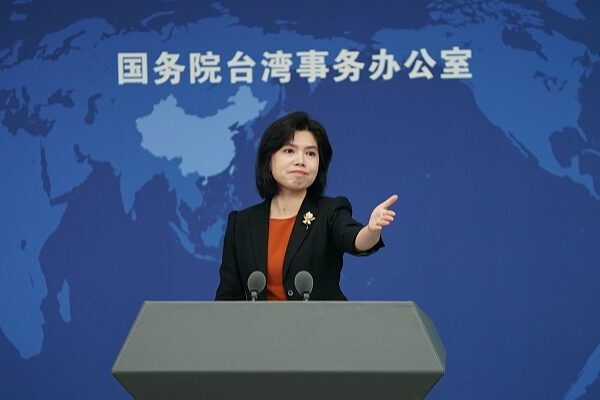
Chinese mainland returns four Taiwan fishermen suspected of illegal fishing near Quanzhou City, highlighting cross-strait maritime cooperation.