

World Migratory Bird Day Highlights Urgent Need to Protect Insects and Birds
World Migratory Bird Day highlights the urgent need to protect insects essential to migratory birds’ survival amid alarming global insect population declines.
News & Insights Across Asia
World Migratory Bird Day highlights the urgent need to protect insects essential to migratory birds’ survival amid alarming global insect population declines.

Chicago enthusiasts mobilize to protect migrating birds from high-rise risks, implementing rescue efforts and advocating for bird-friendly practices.

A new WWF report reveals a devastating 76% decline in Africa’s wildlife populations over the past 50 years, highlighting urgent calls for transformative action to protect natural ecosystems.

Africa’s wildlife populations have plummeted by 76% since 1970, according to WWF-Kenya’s 2024 Living Planet Report, highlighting urgent threats to biodiversity and the need for transformative conservation actions.
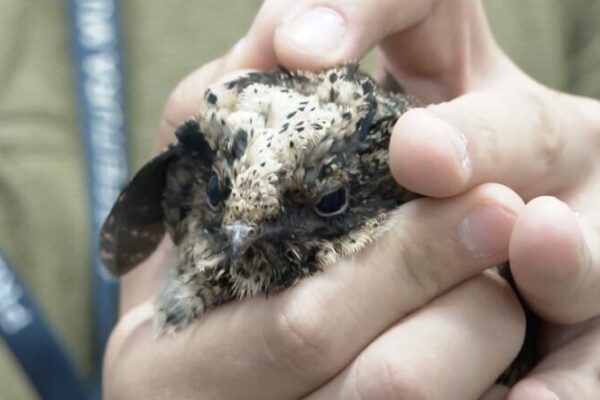
Devastating wildfires have ravaged Sao Paulo’s nature reserves, consuming over 9,700 hectares and leaving wildlife in crisis. Rehabilitation centers struggle to care for injured animals.

Discover the Hainan Tropical Rainforest National Park, China’s ecological gem on Hainan Island, home to rare species and a testament to biodiversity and conservation efforts.
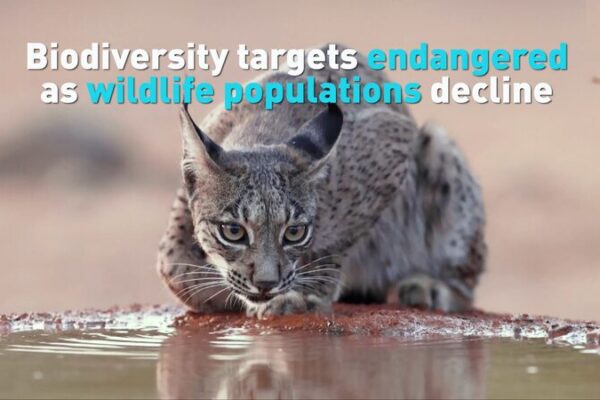
Monitored wildlife populations have suffered a catastrophic decline in the last 50 years, warns a new WWF report. Conservationists urge swift action as leaders assess progress at the latest UN summit.
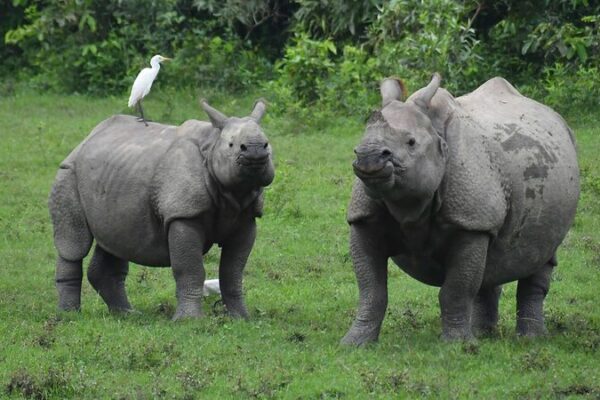
According to a landmark WWF report, global wildlife populations have plunged by 73% since 1970, signaling a severe crisis in biodiversity that threatens essential ecosystems sustaining human life.

China’s Giant Panda National Park spans three provinces and houses over 72% of wild pandas. Established in 2017, it became a national park in 2021, marking a milestone in conservation.
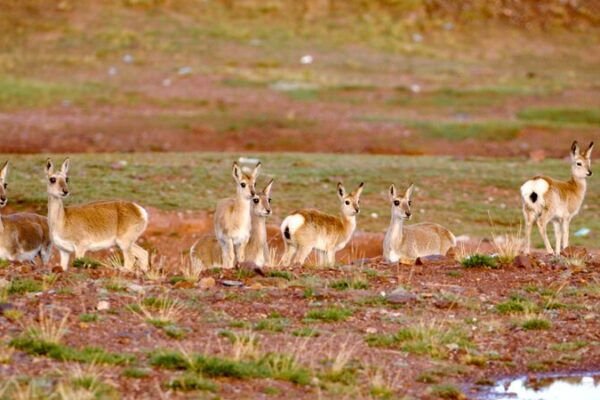
Biodiversity in the Sanjiangyuan area of the Qinghai-Xizang Plateau has improved since the establishment of a national park there in 2021.

Scientists have discovered nine distinct species of the Chinese giant salamander, all critically endangered, prompting urgent calls for conservation to save the world’s largest amphibian from extinction.

Conservation authorities in southwest China’s Yunnan Province are using new technologies to monitor and protect the endangered Yunnan snub-nosed monkeys, leading to a steady increase in their population.
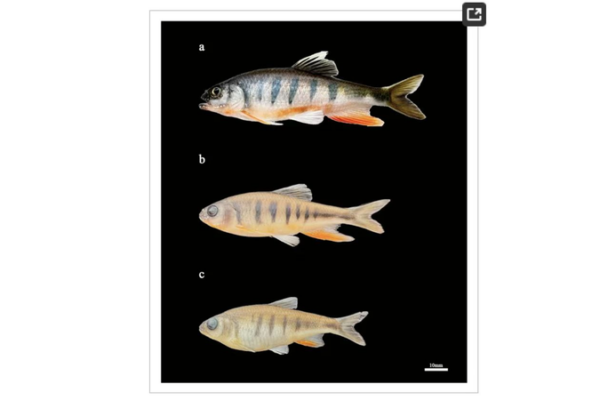
Chinese researchers have discovered a new fish species, Opsariichthys rubriventris, in south China’s Guangdong Province, highlighting the rich biodiversity of the Pearl River basin and the need for conservation.
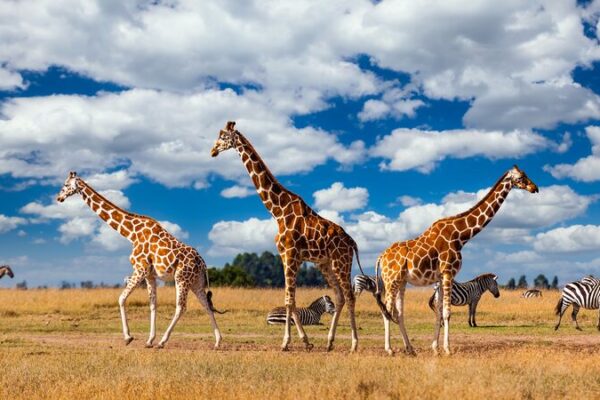
Kenya Wildlife Service unveils its 2024-2028 strategic plan, focusing on a science-led, data-driven approach to enhance wildlife conservation, reduce biodiversity loss, and engage local communities.

China is unveiling an ambitious plan to conserve its vast wilderness, covering 42% of the nation, through the creation of national parks. We explore how these parks function in this expansive landscape.

China’s Shahu Lake in Ningxia Hui Autonomous Region has transformed from a murky marsh into a thriving wetland, becoming a haven for migratory birds and boosting biodiversity.

As the naked carp returns to Qinghai Lake in record numbers, China’s nature reserve network demonstrates its invaluable role in conserving biodiversity and fostering harmonious coexistence with nature.

CGTN reporters journey to the Yangtze River Rare Fish Breeding Base, uncovering conservation efforts to protect rare species like the endangered Chinese sturgeon and highlighting ecological successes.

After 25 years, Zoo Atlanta’s four giant pandas are returning to China in mid-October as their conservation agreement concludes, marking the end of a significant era for the zoo and wildlife conservation.

The Chinese crested tern, known as the “bird of legend,” has made a remarkable comeback in East China, with numbers rising from fewer than 20 to nearly 150 thanks to dedicated conservation efforts.