
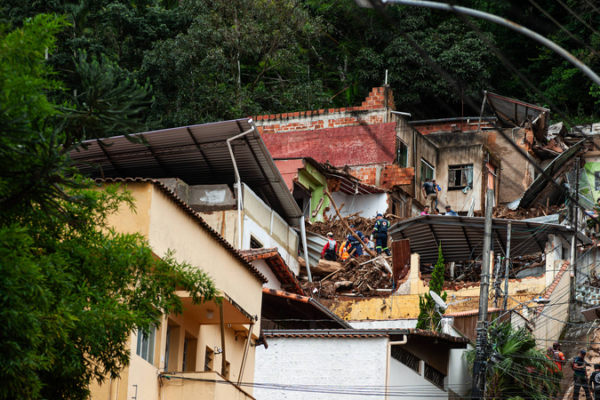
Brazil Rains Death Toll Reaches 70, Dozens Missing
Heavy rains in Brazil’s Minas Gerais state claim 70 lives, with search operations ongoing for missing persons amid climate concerns.
News & Insights Across Asia
Heavy rains in Brazil’s Minas Gerais state claim 70 lives, with search operations ongoing for missing persons amid climate concerns.
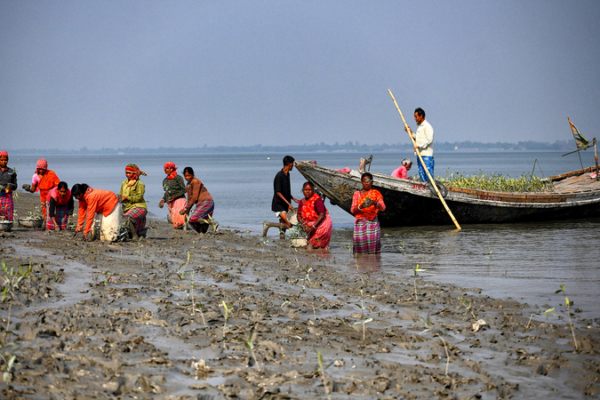
Sundarbans mangrove restoration efforts accelerate as climate threats grow, offering ecological protection and economic benefits for local communities.
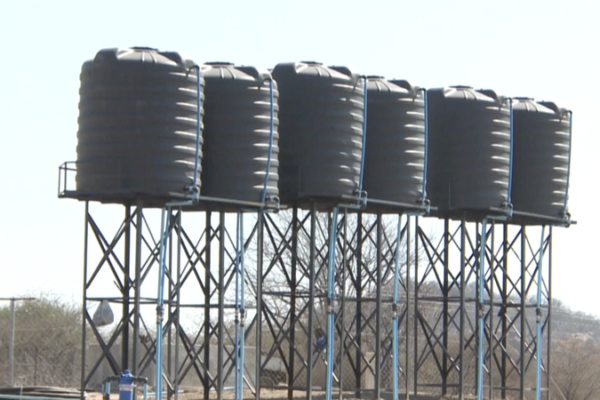
A China-backed borehole initiative in Zimbabwe provides clean water, boosts livelihoods, and enhances climate resilience, transforming over 300 communities amid recurring droughts.

China unveils Feiyu-1.0, an AI-driven ocean forecasting model enhancing disaster response, marine safety, and ecosystem protection in the South China Sea.
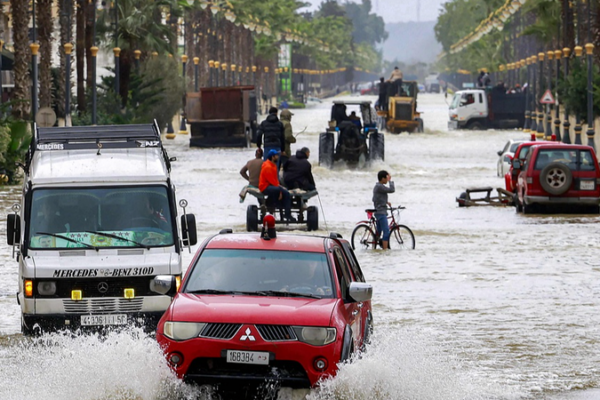
Moroccan military evacuates 20,000 amid severe flooding in northwest regions, while heavy rainfall ends seven-year drought cycle.

Greenland’s capital Nuuk restores electricity and heating after a severe storm damages transmission lines, highlighting ongoing infrastructure challenges in harsh climates.

Advanced robots combat ice on central China’s power lines, ensuring energy stability during severe cold wave. High-tech solutions safeguard critical infrastructure.
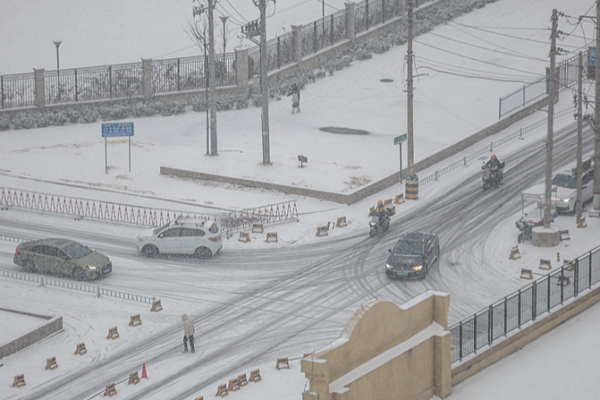
Advanced technologies, from AI-powered snowplows to self-healing power grids, are mitigating disruptions during China’s severe winter storms in early 2026.

Lhasa’s Lhalu Wetland continues ecological restoration in 2026, balancing urban growth with biodiversity protection at 3,600 meters elevation.
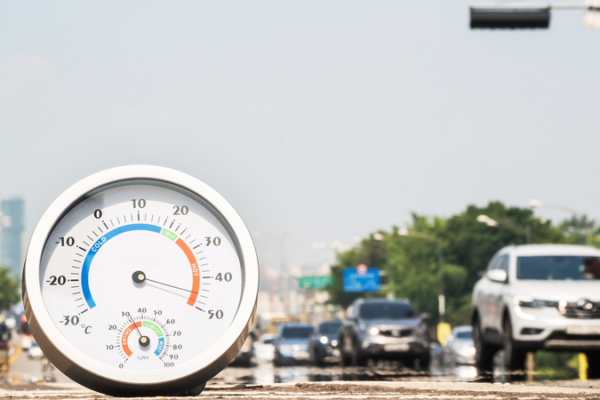
New study reveals how urban heat patterns in China’s major cities intensify extreme temperatures, offering insights for climate adaptation strategies.

New report highlights China’s climate-resilient energy strategies using advanced early warning systems to address extreme weather challenges in 2025.
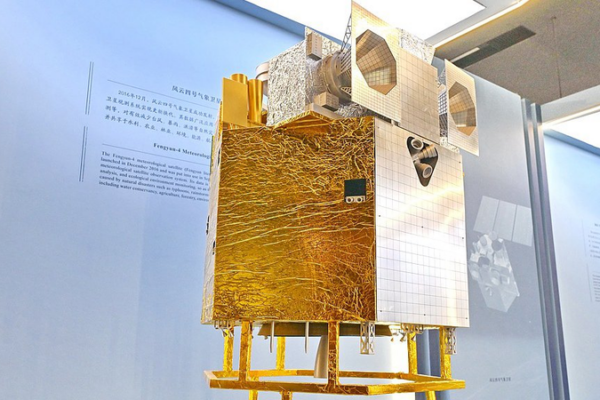
China intensifies climate adaptation strategies as warming patterns trigger more frequent extreme weather events, deploying advanced forecasting and infrastructure upgrades.
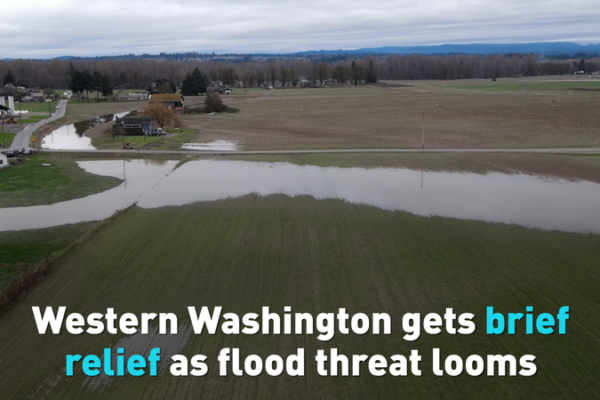
Western Washington sees temporary flood relief but faces renewed risks as heavy rains return, prompting ongoing alerts and cleanup efforts.
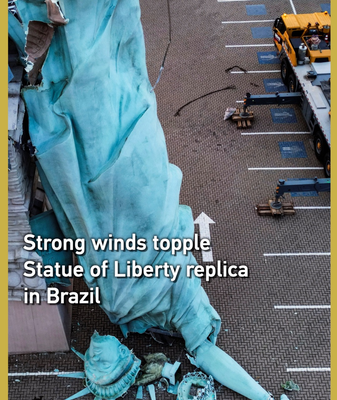
A 24-meter Statue of Liberty replica collapses during severe storms in southern Brazil, highlighting climate challenges in commercial centers.

Barbados has executed the world’s first debt-for-climate-resilience swap, converting national debt into funding for biodiversity conservation and setting a precedent for innovative climate financing.
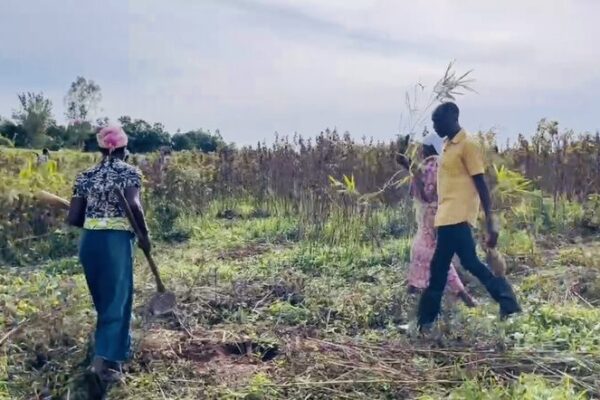
In Kenya’s Nzoia River Basin, bamboo is transforming flood control and ecosystem restoration. Through China-Kenya collaboration, local communities are using bamboo to enhance climate resilience and livelihoods.

At COP29 in Baku, world leaders are urged to invest in smallholder farmers’ climate resilience. The China-IFAD partnership highlights the importance of supporting small-scale farmers to combat climate change.
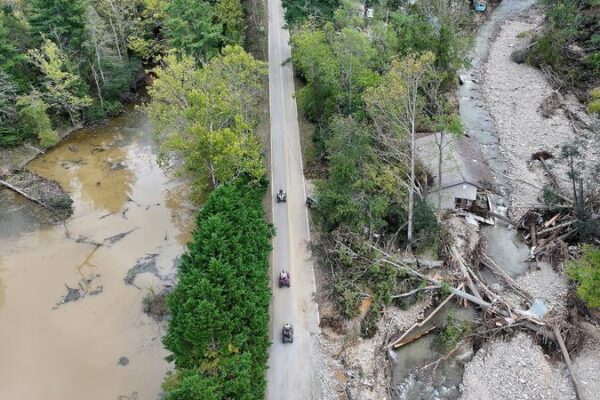
Over 230 people have been killed by Hurricane Helene as it swept through the southeastern U.S., causing widespread devastation in several states.
Leaders from Cambodia, Laos, Vietnam, and South Korea met in Vientiane to discuss climate change impacts and develop collaborative strategies for climate resilience in the region.
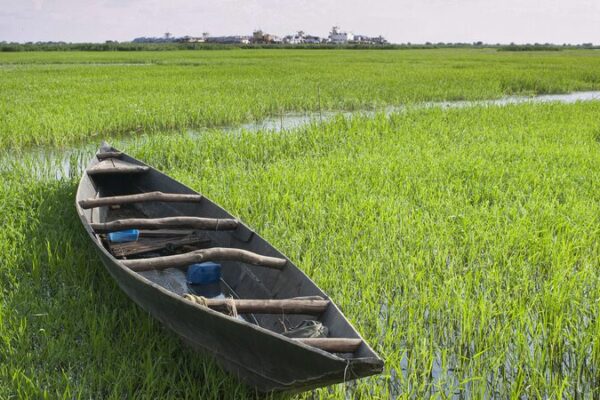
South Sudan has launched a five-year, $33 million UN-backed project to bolster climate resilience among vulnerable communities and restore ecosystems, aiming to benefit over 75,000 people.