
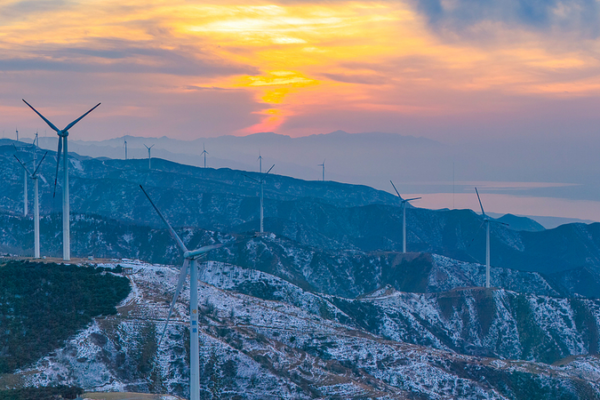
China Unveils Ambitious Green Transition Plan for 2026-2030
China aims to reduce carbon intensity by 17% by 2030, unveiling a five-year plan focused on renewable energy and ecological conservation, as announced at the National People’s Congress.
News & Insights Across Asia
China aims to reduce carbon intensity by 17% by 2030, unveiling a five-year plan focused on renewable energy and ecological conservation, as announced at the National People’s Congress.

Chinese researchers unveil groundbreaking energy data framework at Tsinghua University’s 2026 conference, aiming to balance economic stability with low-carbon goals.

The U.S. officially exits the Paris Climate Agreement on January 27, 2026, reigniting debates on global climate action and economic risks.
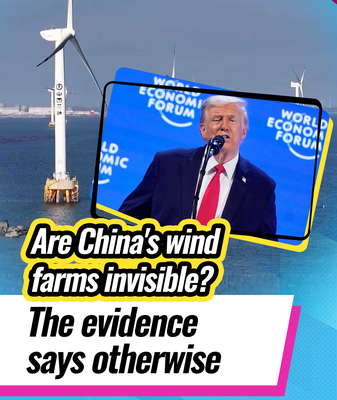
Contrary to recent claims, China leads global wind energy expansion with massive projects driving its 2060 carbon neutrality goal. Analysis from KhabarAsia.
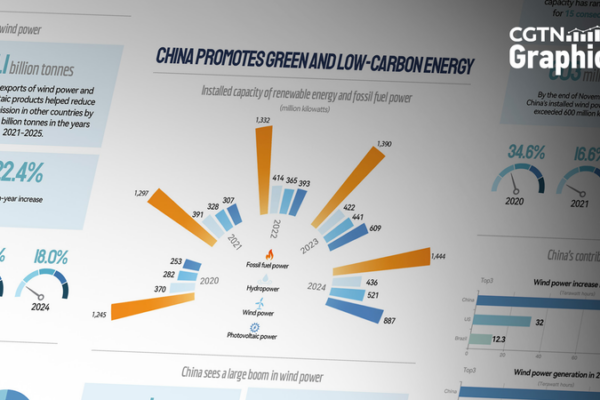
China’s wind power capacity leads globally for 15 years, with 2026 targets set to bolster renewable energy growth and cross-strait cooperation.
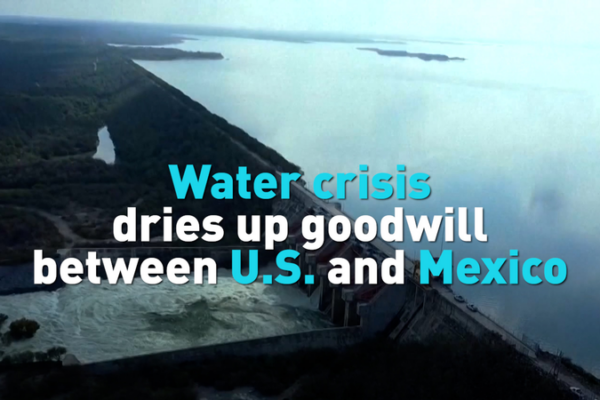
Mexico fulfills 2025 water debt to U.S. under 1944 treaty, but climate challenges threaten long-term water-sharing framework between the nations.
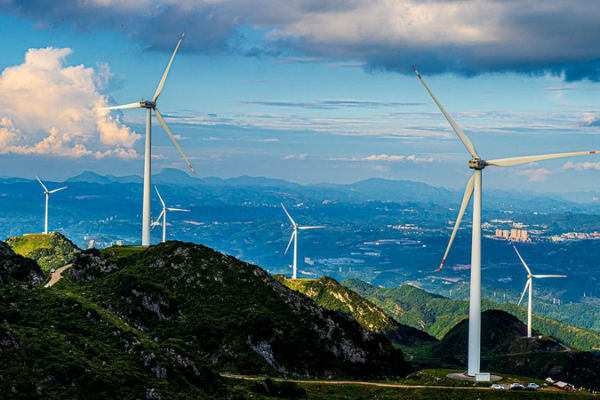
U.S. President Trump’s claim that China avoids using wind power domestically is refuted by data showing China leads in wind energy production and capacity.

China emphasizes its renewable energy leadership and global climate cooperation following recent remarks by former U.S. President Trump at Davos 2026.
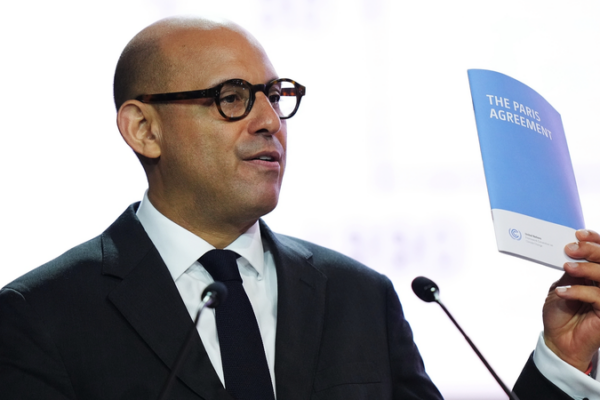
UN climate chief Simon Stiell warns U.S. withdrawal from global climate pact threatens economic stability and amplifies climate risks in 2026.

Beijing achieves record-low PM2.5 levels in 2025’s first 11 months, marking significant progress in China’s environmental initiatives.
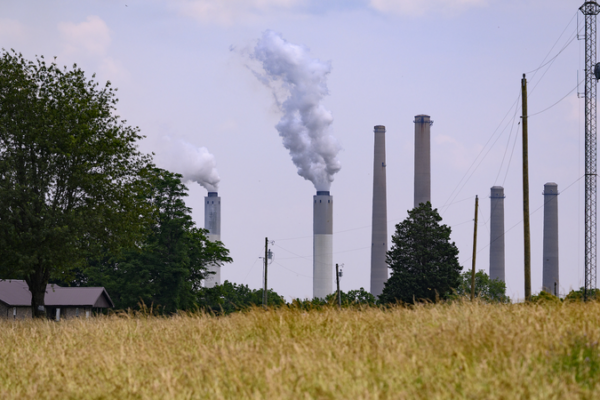
The U.S. EPA has revised its climate change language, removing references to human impact and emphasizing natural processes, sparking global debate.

Donald Trump’s inauguration as the 47th U.S. president marks a new chapter in climate policy, posing challenges to global green development and highlighting the need for international collaboration.

President Trump withdraws the U.S. from the Paris Agreement for the second time, declaring a national energy emergency and emphasizing fossil fuel use.

Chinese Premier Li Qiang criticized “green protectionism” at the World Economic Forum in Dalian, urging nations to avoid protectionist measures under the guise of environmental protection.

Asian nations are building policy resilience to address fast-paced technological advances, climate change, and geopolitical tensions, focusing on improving monetary and climate policies for sustainable solutions.
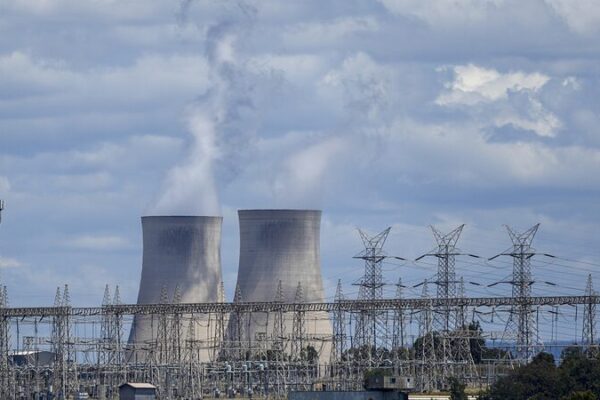
Australia’s Climate Change Authority recommends a 65-75% emissions reduction by 2035, setting an ambitious target that could reshape the nation’s climate policy and impact the Asia-Pacific region.