

Chinese Scientists Unveil Immune Cells Fueling Chronic Sinus Infections
Chinese scientists have discovered that a specific immune cell secreting Granzyme K fuels chronic sinus infections, paving the way for new treatments.
News & Insights Across Asia
Chinese scientists have discovered that a specific immune cell secreting Granzyme K fuels chronic sinus infections, paving the way for new treatments.

Chinese scientists have discovered that a specific immune cell worsens chronic sinusitis by intensifying inflammation, offering a new target for treatment and hope for millions affected.

Chinese scientists have discovered that a specific type of immune cell secreting Granzyme K worsens chronic sinusitis and nasal polyps by intensifying inflammation, offering new targets for treatment.

Scientists in China have discovered that Granzyme K, a protein from specific immune cells, fuels chronic sinusitis and nasal polyps, offering new hope for effective treatments.

Chinese scientists have identified Granzyme K, a protein secreted by specific immune cells, as a key factor in chronic sinus infections, offering hope for more effective treatments.

Chinese scientists have discovered that a specific immune cell exacerbates chronic sinus infections, potentially leading to new treatments.

Chinese scientists have uncovered how a specific immune cell worsens chronic sinus infections, potentially leading to new treatments.

A groundbreaking study by Chinese scientists has identified Granzyme K, an immune protein, as a key factor worsening chronic sinusitis, offering new hope for effective treatments.
Researchers from the Shenzhen Institutes of Advanced Technology have discovered a new pattern in virus transmission, offering insights into infectious disease spread through synthetic biology techniques.

Chinese researchers from Lanzhou University have discovered a probiotic strain that shows promise in treating colorectal cancer by promoting tumor cell apoptosis and regulating gut microbiota.

A Chinese study reveals that actively managing frailty can significantly reduce arrhythmia risk in the elderly, emphasizing the importance of frailty assessments in routine health check-ups.

Chinese researchers have developed a biodegradable band-aid that promotes complete wound healing and skin regeneration with normal sensory functions.

Chinese researchers have developed a biodegradable composite material that accelerates wound healing and promotes full skin regeneration, offering new hope in biomedical treatments.

Chinese researchers have decoded a new salt-tolerance gene in wheat, leading to yield increases of 5 to 9% in experimental varieties grown in saline-alkali soils.

Chinese researchers have discovered a link between oceanic oxygenation and early animal evolution during the Cambrian Explosion, offering new insights into this pivotal period.
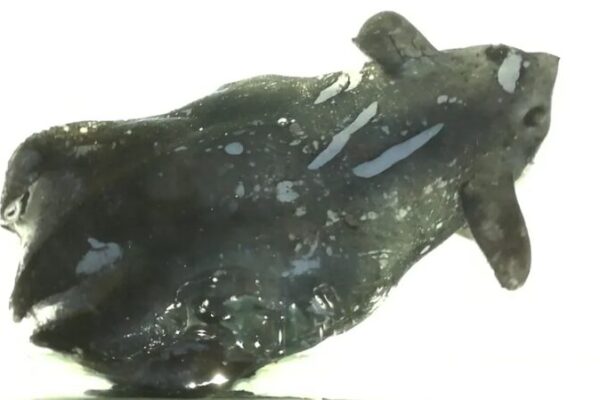
Chinese scientists have discovered a new species related to the vampire squid in the South China Sea, marking a significant breakthrough in deep-sea marine biology.

Chinese scientists have identified desert moss as a potential pioneer plant for Mars colonization, opening new possibilities for future space exploration and human habitation on the Red Planet.
Chinese scientists discover that a resilient desert moss, Syntrichia caninervis, could survive on Mars, paving the way for potential terraforming efforts.

Chinese researchers have developed a novel method for producing crystals, greatly improving structure controllability. This advancement could enhance chip computing power and foster next-gen electronic circuits.
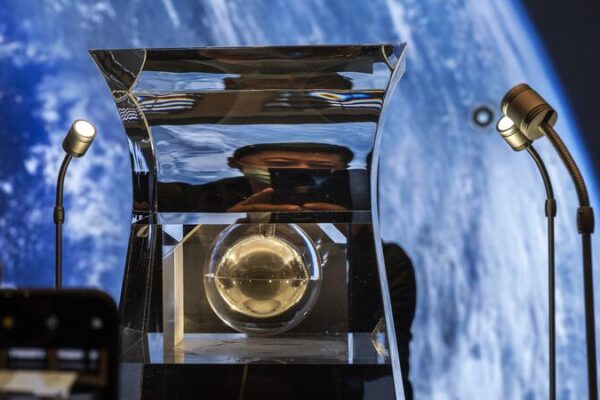
Chinese scientists have discovered natural few-layer graphene in lunar soil samples from the Chang’e-5 mission, offering new insights into the moon’s geology and resource potential.