
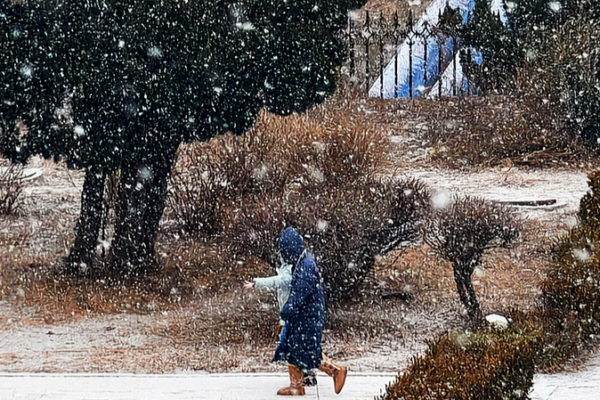
China Issues Cold Wave Alert as Temperatures Drop Across Northern Regions
China’s National Meteorological Center issues a blue cold wave alert, warning of temperature drops up to 14°C in northern regions. Authorities urge precautionary measures.
News & Insights Across Asia
China’s National Meteorological Center issues a blue cold wave alert, warning of temperature drops up to 14°C in northern regions. Authorities urge precautionary measures.
China activates Level-IV emergency response as northern regions face severe winds, sandstorms, and cold wave. Authorities urge precautions amid disrupted travel and health risks.

China activates emergency response as 2026’s strongest winter storm approaches, threatening central and eastern regions with heavy snow and ice from January 17-21.
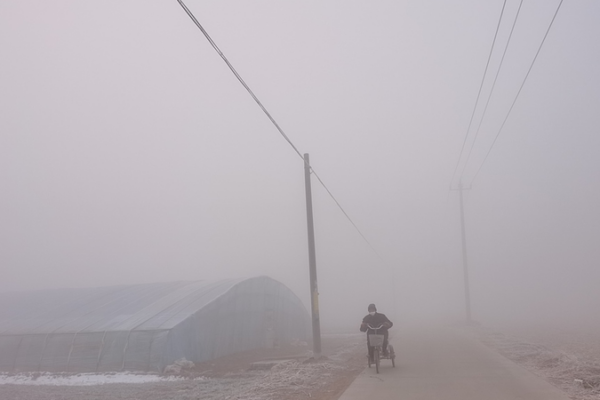
China’s National Meteorological Center issues yellow fog alert affecting Beijing, Hebei, and Chongqing, urging reduced speeds for drivers and airport precautions.
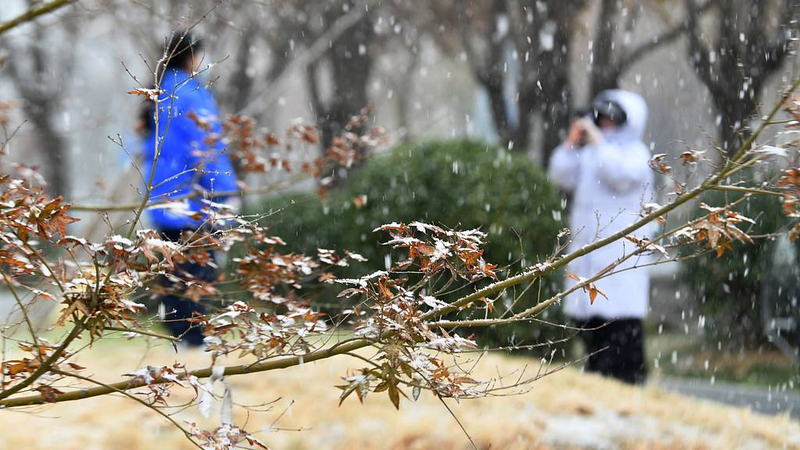
A severe cold wave sweeps across China, with central and eastern regions facing temperature drops of up to 12°C. Blue alerts issued for snow, wind, and freezing conditions.

China activates emergency protocols as the first large-scale snowfall of winter hits northern regions, with temperatures expected to plummet nationwide.

Severe cold wave to hit China Dec 10-13 with 14°C temperature drops, heavy snow, and gales, prompting agricultural alerts and travel advisories across northern regions.

A major cold front is sweeping across China, causing blizzards, high winds, and significant temperature drops. The severe weather has led to widespread travel disruptions and multiple weather alerts nationwide.

China’s Central Meteorological Observatory forecasts the first cold wave of 2025 to affect most of the country from Thursday, bringing widespread snow, rain, strong winds, and significant temperature drops.

Following a sharp drop in temperature, the Wanjiazhai Reservoir along the Yellow River has entered a stable freezing period, with 119 kilometers now frozen.

Parts of northeast China and the northern Inner Mongolia Autonomous Region are experiencing lingering snowfalls as a nationwide cold wave gradually weakens after days of significant temperature drops.
As temperatures rise across most of China, northeastern regions are expecting snow and even blizzards, marking a sharp contrast in weather patterns across the country.

China’s meteorological authorities have renewed blue alerts for cold waves and strong winds, forecasting significant temperature drops and powerful winds across various regions in the coming days.

Fujian Province has elevated its emergency response as Typhoon Kong-rey approaches the Chinese mainland, prompting suspensions of transportation services and deployment of rescue teams.
Northern China is set to experience a significant temperature drop with rain and snow predicted in the coming days. Regions have already seen temperatures plummet, prompting early heating services and accelerated harvests.

Shanghai evacuates over 100,000 residents as Typhoon Pulasan hits the city, bringing record-breaking rainfall and prompting widespread safety measures.

Typhoon Pulasan made its second landfall in China on Thursday, striking Shanghai’s Fengxian District. As the 14th typhoon of the year, it is expected to weaken as it moves inland.

Zhejiang Province has activated a Level-IV emergency response as Typhoon Pulasan approaches, bringing potential heavy rainfall and strong winds. Authorities urge residents to stay alert and follow safety guidelines.

Chinese authorities in Hainan Province hold a press conference to outline recovery and reconstruction efforts following Super Typhoon Yagi, the strongest autumn typhoon to hit China since 1949.

Super Typhoon Yagi has become the strongest autumn typhoon to hit China since 1949, maintaining its status for 64 hours and causing significant damage across multiple provinces.