China’s FAST Telescope Unlocks Cosmic Flash Mysteries
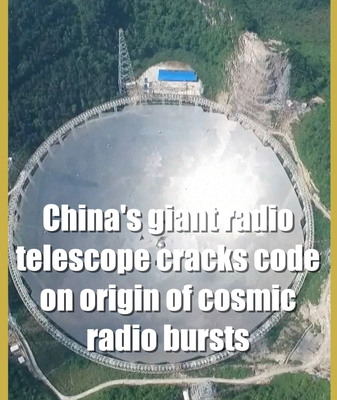
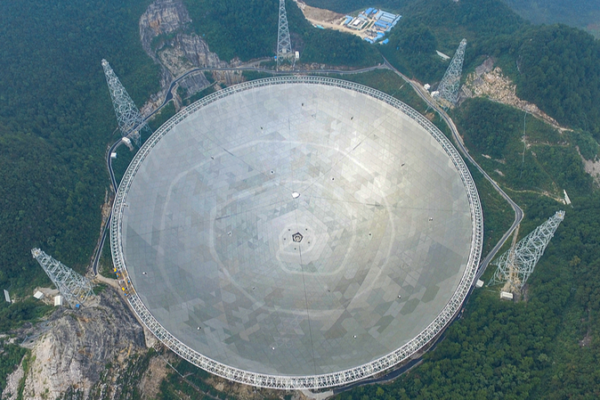
China’s FAST telescope reveals binary-system origins for cosmic fast radio bursts, marking a leap in understanding these enigmatic phenomena through unprecedented magnetic field observations.
News & Insights Across Asia
China’s FAST telescope reveals binary-system origins for cosmic fast radio bursts, marking a leap in understanding these enigmatic phenomena through unprecedented magnetic field observations.
China’s AST3-2 telescope in Antarctica completes 2025 night observations, gathering 3.5TB of data on asteroids, exoplanets, and black holes.
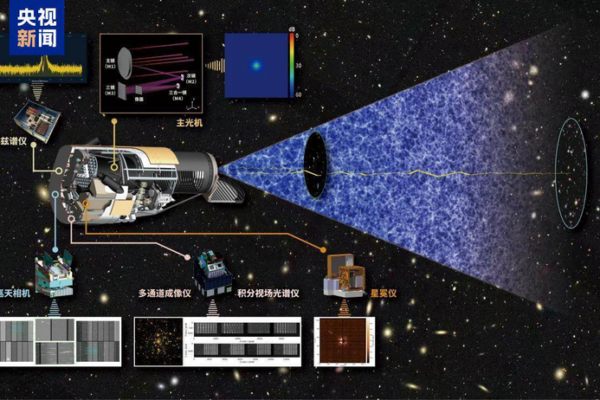
China’s Xuntian Space Telescope achieves critical simulation milestone, paving the way for groundbreaking astronomical discoveries after its 2026 launch.
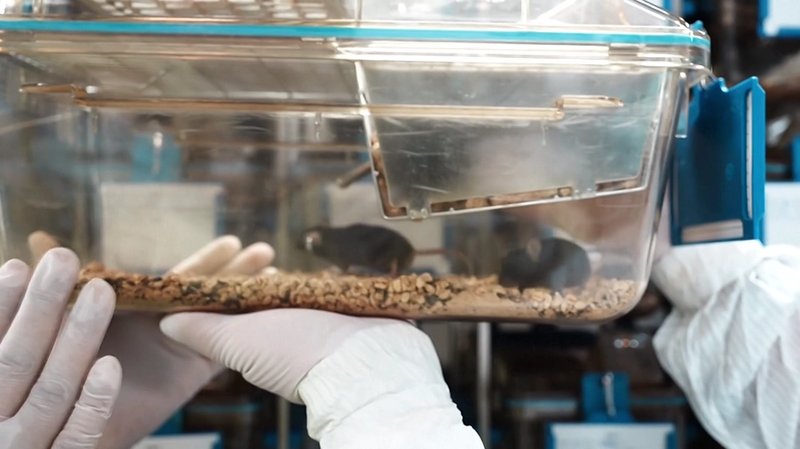
China unveils public-chosen names for space-traveled mice, blending cultural symbolism with cutting-edge biological research from recent orbital mission.
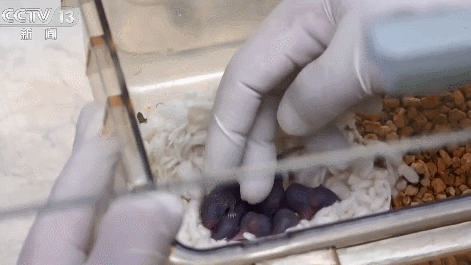
Chinese scientists celebrate as space-born mice successfully reproduce post-mission, advancing research on long-term space habitation.
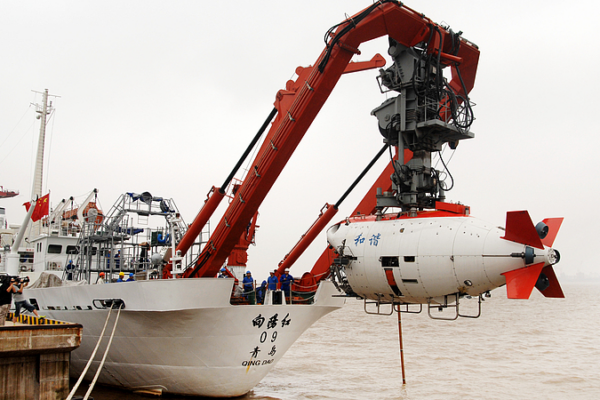
China’s deep-sea submersibles complete 1,746 dives by December 2025, including Arctic expeditions and South China Sea archaeological missions.
Chinese scientists announce breakthroughs in precision-designed seeds, enhancing yields and sustainability to address global food security challenges in 2025.
China’s Antarctic team launches major resupply operation at Zhongshan Station, supporting vital climate research through 2025-2026 summer season.
As 2024 wraps up, China celebrates major scientific achievements in large-scale research facilities, including the FAST telescope’s discovery of over 1,000 pulsars.
China Media Group (CMG) has announced the top 10 scientific news stories from China for 2024, highlighting significant achievements and milestones in the nation’s science and technology sector.
China’s Jiangmen Underground Neutrino Observatory (JUNO) completes its main construction, marking a significant leap in neutrino research and particle physics.
Nobel laureate Kip Thorne shared his insights at a salon in Chengdu, expressing that China’s planned gravitational wave detectors will offer tremendous insights and mark a new tipping point in cosmic understanding.
Nobel laureate Gerard Mourou joins Peking University to advance extreme light research in medicine and energy, reflecting China’s growing role in global scientific innovation.
Scientists at China’s USTC have developed a flexible robotic gripper that gently handles delicate living things, opening new possibilities in medical procedures and wildlife rescue.
The ‘Two Bombs, One Satellite’ Museum in Beijing has reopened, marking the 60th anniversary of China’s first atomic bomb test, celebrating historic scientific achievements.
A minor planet has been named after China’s esteemed medical scientist Zhong Nanshan, honoring his significant contributions to science at a ceremony in South China’s Guangdong Province.
China’s rapid advancements in science and technology prompt global discussions on whether its rise is an opportunity or a challenge. Explore the implications for international collaboration and innovation.
China’s High Energy Photon Source project achieves major progress, successfully storing electron beams in its storage ring—a significant step in this key scientific and technological endeavor.
Recent developments highlight Asia’s influence in technology and climate issues, from China’s new solar rotation discovery to WMO’s climate warnings and the IOC’s proposal for Olympic Esports Games.
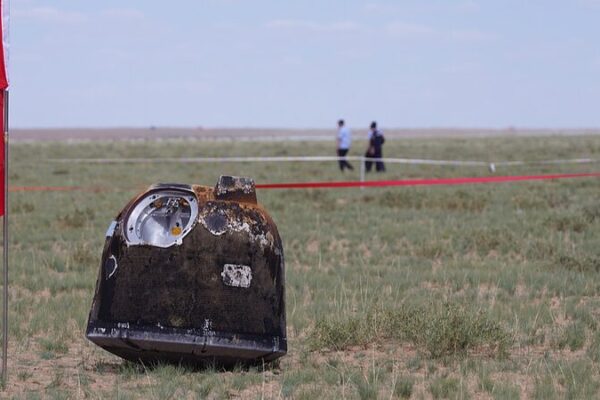
Asia witnesses significant advancements as China collects lunar samples from the moon’s far side, Boeing’s Starliner embarks on its first crewed mission, and breakthroughs occur in AI chip development.