
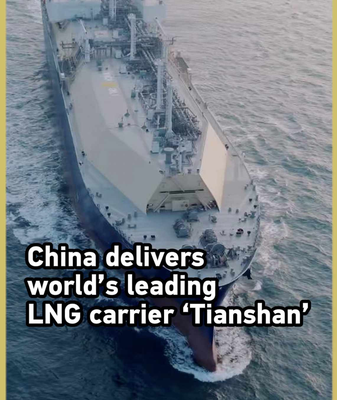
China Launches Advanced LNG Carrier Tianshan Ahead of Schedule
China delivers the Tianshan, a next-gen LNG carrier with reduced emissions, enhancing energy infrastructure and supporting climate goals in 2026.
News & Insights Across Asia
China delivers the Tianshan, a next-gen LNG carrier with reduced emissions, enhancing energy infrastructure and supporting climate goals in 2026.
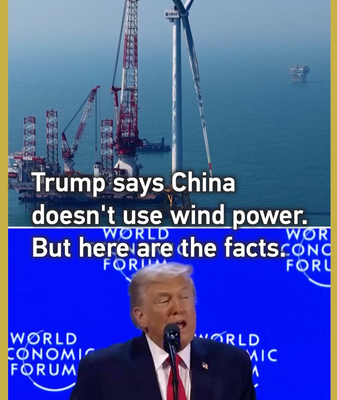
Trump’s Davos claim about China neglecting wind power clashes with data showing 600 GW capacity – enough for 500 million homes. China leads global wind energy for 15 years.
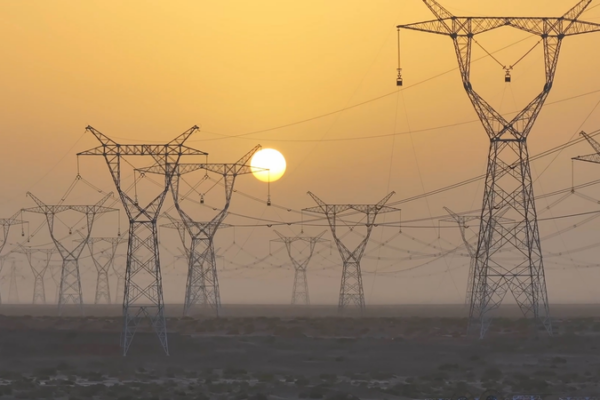
Xinjiang completes 750 kV grid, becoming China’s largest provincial power network with enhanced reliability for industrial and community needs.
China’s Tarim Oilfield achieves 2 billion kWh solar generation in 2025, balancing energy production with environmental goals in Xinjiang’s desert region.
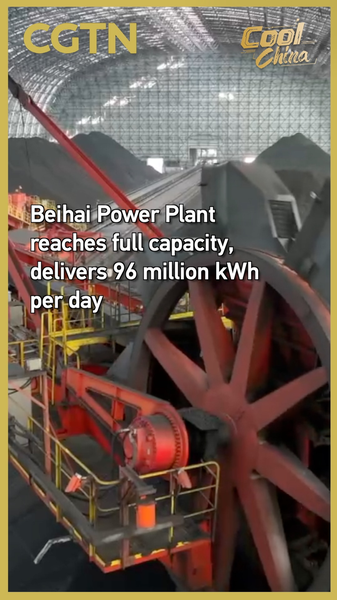
Guangxi’s Beihai Power Plant reaches full operational capacity, now supplying 15% of regional electricity demand with advanced clean coal technology.
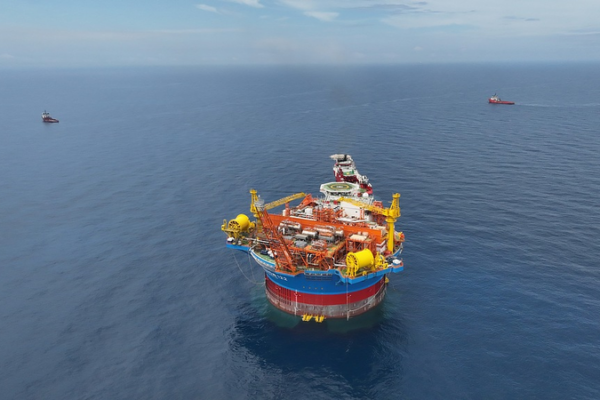
China’s Liuhua Oilfield reaches full secondary production, unlocking 140 million tonnes of reserves and boosting energy security in 2025.

China’s Tarim Oilfield achieves a record-breaking production of 20.47 million tonnes of oil and gas equivalent in 2024 from ultra-deep wells exceeding 6,000 meters, highlighting advances in energy exploration.

Xinjiang’s new energy power generation reached 116.16 billion kWh in 2024, surging by 30.7% over the previous year, highlighting the region’s accelerating shift towards renewable energy.
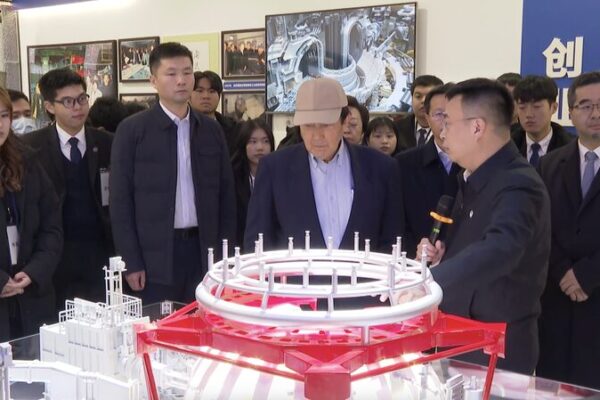
Ma Ying-jeou, former chairman of the Kuomintang, visited China’s renowned nuclear fusion research base in Chengdu, following his trip to Harbin’s power generation equipment hub, to promote cooperation in energy technology.
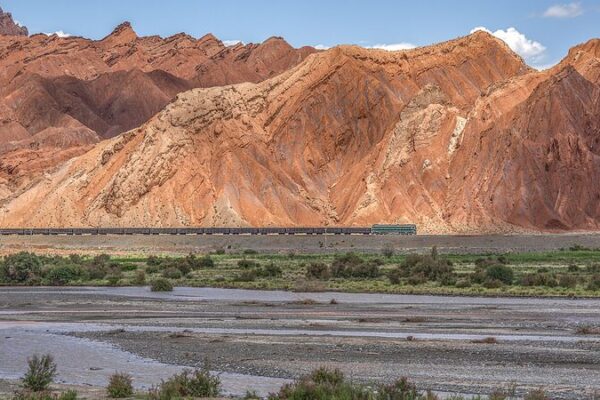
Experts from the Chinese Academy of Engineering have inaugurated the Tianshan Lab in Xinjiang to tackle challenges in coal mining, aiming to promote safe, efficient, and eco-friendly resource development.

China has connected 39.1 million kilowatts of offshore wind power to its grid by Q3 2024, becoming the first country to do so, marking a significant milestone in renewable energy development.

China’s energy consumption structure improves with a significant drop in coal use, signaling a shift toward cleaner and diversified energy sources aligned with its carbon neutrality goals.
China’s Deep Sea No. 1 gas field achieves over 9 billion cubic meters of natural gas output, marking a significant milestone in the nation’s deepwater exploration efforts.

BYD’s chief scientist Lian Yubo highlights the impact of NEV growth on green innovation at the 2024 World New Energy Vehicle Congress, emphasizing China’s pivotal role in a low-carbon future.

China’s independently developed ultra-deepwater gas field, Deep Sea No. 1 Phase II, is now operational off the coast of Hainan, marking a significant advancement in China’s energy development capabilities.
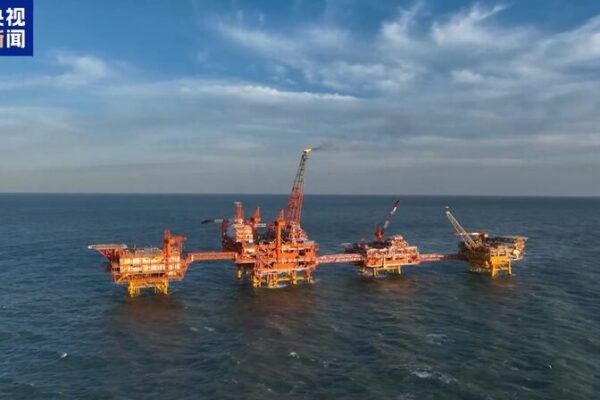
China’s Bozhong 19-6 Condensate Gas Field in the Bohai Sea has surpassed 1 billion cubic meters of natural gas production, strengthening clean energy supply to the Beijing-Tianjin-Hebei and Bohai Rim regions.
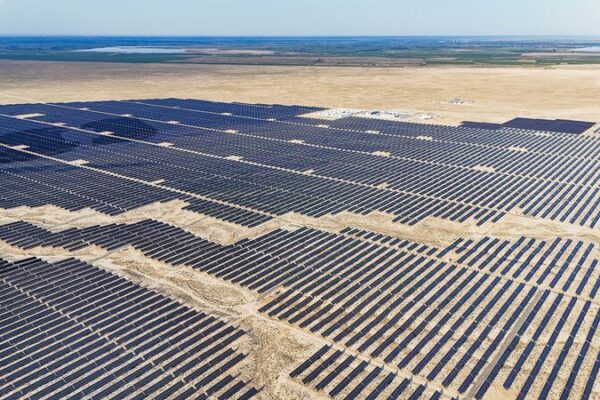
Xinjiang’s new energy capacity increased by 103% in H1 2023, adding 14.08 million kW in wind and solar power, showcasing significant progress in renewable energy development in northwest China.

Expansion of the world’s first fourth-generation nuclear power plant, the Shidaowan HTGR in Shandong Province, has begun, marking a significant milestone in China’s nuclear energy development.

China has installed its 30,000-tonne offshore drilling platform, Xijiang 30-2B, in the South China Sea, marking a significant advancement in its offshore drilling capabilities.
China has launched the environmentally friendly Wushi 23-5 oilfield cluster in the Beibu Gulf, marking a significant advancement in low-carbon offshore oil production.