
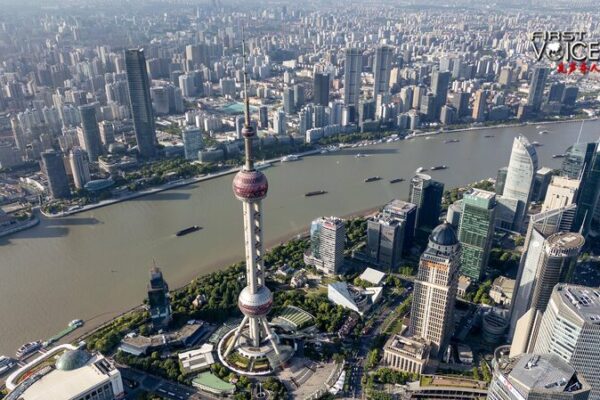
Transition Doesn’t Mean Collapse: A Closer Look at China’s Economic Evolution
A balanced look at the Chinese mainland’s economy reveals that despite challenges, it’s transitioning to high-quality growth, not collapsing.
News & Insights Across Asia
A balanced look at the Chinese mainland’s economy reveals that despite challenges, it’s transitioning to high-quality growth, not collapsing.
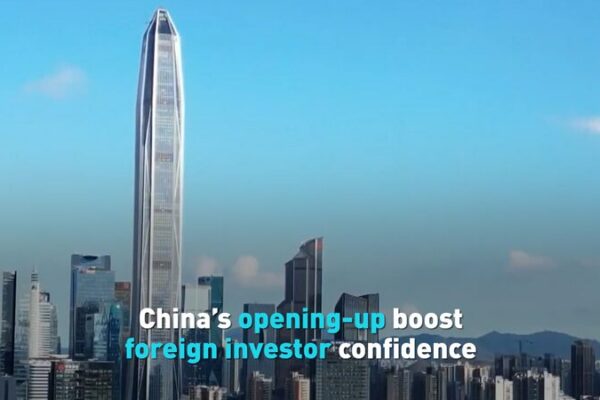
China’s commitment to comprehensive reform and opening-up has boosted international investor confidence. Foreign business leaders are optimistic about investing in China due to new economic measures.

President Xi Jinping reaffirms China’s economic confidence and pledges openness during the ‘1+10’ dialogue in Beijing, emphasizing China’s role as a global growth engine and commitment to shared development.
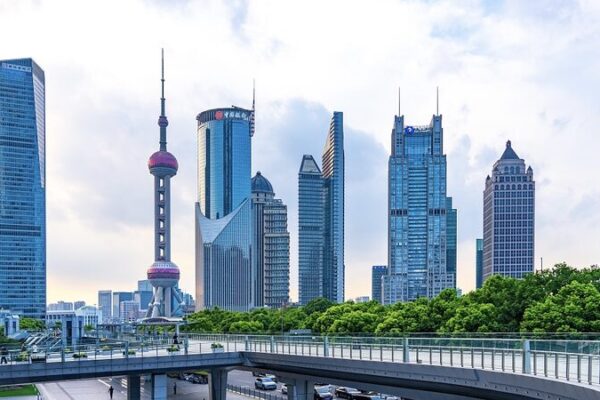
China announces a more proactive fiscal policy and a moderately loose monetary policy for 2025, boosting market optimism and outlining measures to bolster economic growth.
Chinese Premier Li Qiang held a ‘1+10’ dialogue with global economic leaders, emphasizing China’s commitment to global governance and economic cooperation.

Facing declining exports amid de-globalization, China is turning to expansionary fiscal policy to boost domestic demand and ensure economic stability. This strategy focuses on promoting innovation and securing essential resources.
Xi Jinping presided over a symposium with non-CPC personages to solicit advice on China’s economic planning for 2025, emphasizing proactive policies and economic stability.
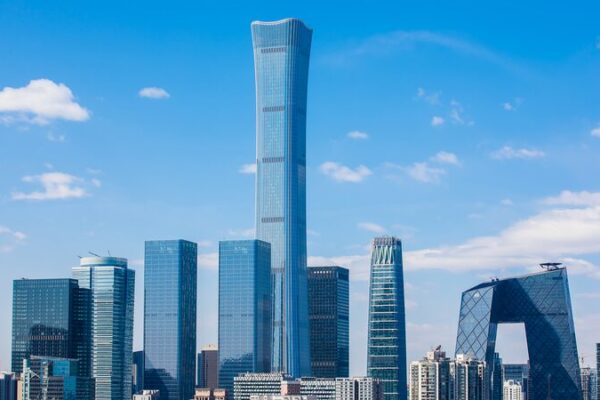
The CPC Central Committee’s Political Bureau met to plan China’s 2025 economic strategy, emphasizing proactive fiscal policies and anti-corruption efforts under Xi Jinping’s leadership.
President Xi Jinping underscores the importance of high-quality development in China’s economy, highlighting its role in sustainable and inclusive growth.

China introduces flexible lending policies to support SMEs, easing financial pressures and fueling innovation through initiatives like principal-deferral loan renewals and substantial re-lending schemes.
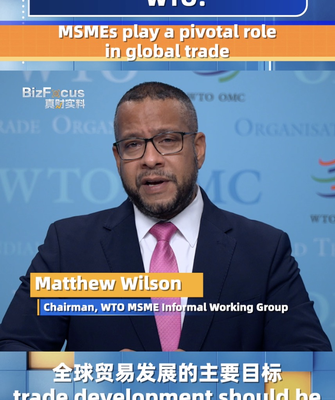
MSMEs are the backbone of the global economy, driving innovation and growth. WTO’s Matthew Wilson highlights their pivotal role at the China International Supply Chain Expo.
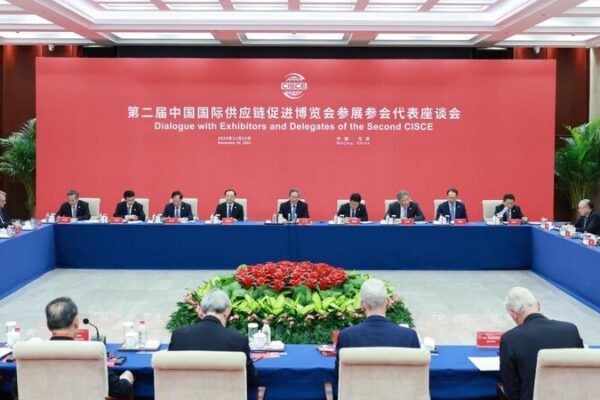
China reaffirms its commitment to maintaining stable global industrial and supply chains, with Premier Li Qiang urging collective efforts to enhance cooperation and promote economic globalization.

An exploration of why the IMF does not classify China as an advanced economy, highlighting key criteria such as per capita income, export diversification, and financial integration.
China has kept its loan prime rates unchanged this month as it assesses recent economic policies. The one-year LPR remains at 3.1 percent, signaling a cautious approach amid ongoing economic measures.
China witnessed steady economic growth in October, with retail and manufacturing sectors accelerating, according to data from the National Bureau of Statistics.

China’s economy showed significant progress in October, with retail sales and trade figures increasing notably, signaling steady economic recovery.
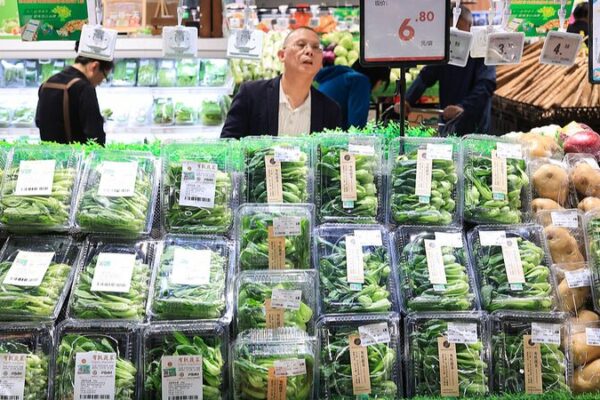
China’s consumer prices rose by 0.3% in October, reflecting stable growth amid an economic recovery. Falling energy prices and steady food prices contributed to mild inflation, signaling balanced economic progress.

China has launched a 10 trillion yuan debt swap program to stabilize its economy. Lawmakers approved raising the local government debt ceiling by 6 trillion yuan, providing resources to address hidden debts.

China has established an alliance to promote its nuclear technology industry, aiming for a $56 billion output by 2026.
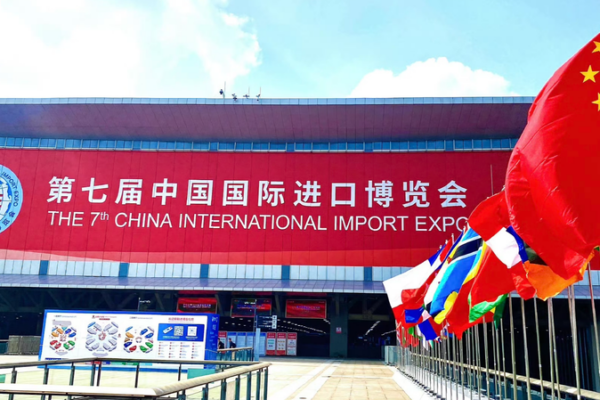
The 7th China International Import Expo (CIIE) is set to open in Shanghai from November 5 to 10, 2024, offering a global platform for trade collaboration and showcasing China’s commitment to trade liberalization.