
KAIST Breakthrough: Molecular Switch Reverses Cancer Cells
KAIST researchers discover molecular mechanism to reverse cancer cell progression, potentially revolutionizing oncology treatment approaches in 2026.
News & Insights Across Asia
KAIST researchers discover molecular mechanism to reverse cancer cell progression, potentially revolutionizing oncology treatment approaches in 2026.

Peking University scientists develop intratumoral vaccine that forces cancer cells to reveal themselves, potentially revolutionizing immunotherapy-resistant tumor treatment.

Researchers develop a novel immunotherapy approach targeting shared drug-resistance mutations in cancers, offering hope for broader treatment-resistant therapies.

Over 500 Chinese and U.S. scientists gathered in Beijing at the Sino-American Forum of Academicians International Health Conference, calling for deeper medical collaboration to tackle global health challenges.

Israeli and U.S. researchers have developed an antibody treatment that boosts the immune system’s ability to fight cancer cells, offering new hope against aggressive tumors.

Chinese researchers unveil PathOrchestra, an AI model capable of analyzing pathological images from over 20 human organs, marking a significant advancement in cancer diagnosis technology.
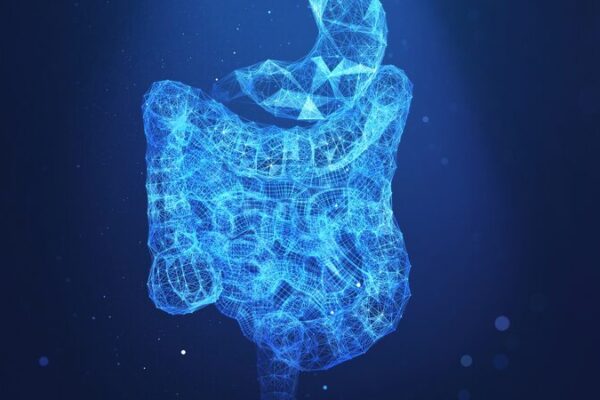
Chinese researchers reveal that fat-fueled gut microbes release chemicals like leucine, promoting cancer progression and opening new avenues for anticancer therapies.
Chinese scientists have developed an AI tool that predicts unknown tumor origins with remarkable accuracy, potentially transforming cancer diagnosis and treatment.

New data reveals a rise in colorectal cancer among Americans under 50. Experts are investigating this alarming trend as overall cancer diagnoses decline in older populations.