
KAIST Breakthrough: Molecular Switch Reverses Cancer Cells
KAIST researchers discover molecular mechanism to reverse cancer cell progression, potentially revolutionizing oncology treatment approaches in 2026.
News & Insights Across Asia
KAIST researchers discover molecular mechanism to reverse cancer cell progression, potentially revolutionizing oncology treatment approaches in 2026.

Hong Kong reports record business expansion in 2025 with 11,070 multinational firms and 5,221 startups, driven by fintech and biotech innovation.

Chinese researchers unveil blink-powered smart contact lenses enabling battery-free device control, with applications from healthcare to virtual reality.
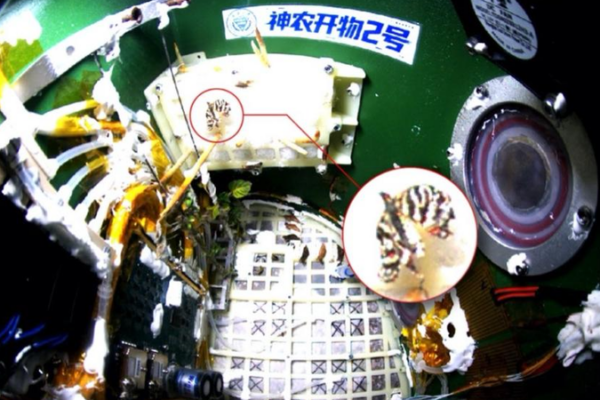
A butterfly successfully adapted to microgravity in China’s closed-loop space experiment, marking progress in sustainable orbital life-support systems.
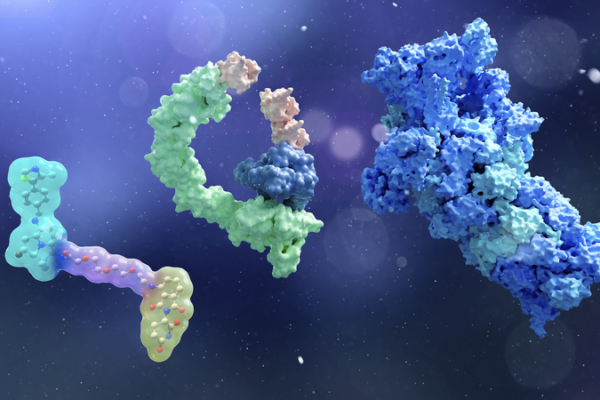
Chinese researchers develop SupTACs technology enabling precise protein degradation, offering new hope for treating cancer and neurodegenerative diseases.

Peking University scientists develop intratumoral vaccine that forces cancer cells to reveal themselves, potentially revolutionizing immunotherapy-resistant tumor treatment.
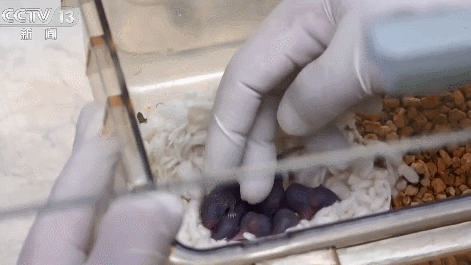
Chinese scientists celebrate as space-born mice successfully reproduce post-mission, advancing research on long-term space habitation.

Scientists discover viruses use hidden RNA messages as molecular ‘Trojan horses’ to hijack host cells, revealing new avenues for antimicrobial development.

Chinese researchers unveil a comprehensive molecular study on aging in rhesus macaques, offering insights into human longevity and age-related diseases.
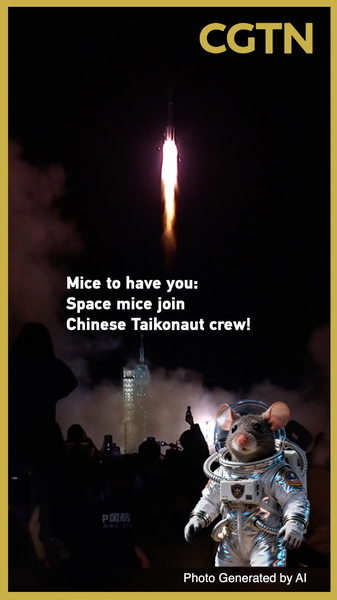
Four specially selected mice join China’s Shenzhou-21 crew for pioneering experiments aboard the Tiangong space station, advancing biotechnology and space medicine research.

Chinese scientists uncover flourishing microbial and animal life in the Mariana Trench, revealing breakthroughs in extreme-environment ecosystems.

Chinese scientists have developed a gene-editing technique to produce dwarf corn varieties, enhancing planting density and lodging resistance to boost global food security.

Chinese scientists have developed a gene-editing technique to create shorter, sturdier corn plants, enhancing yields and resilience to boost global food security.

China has released ISO8472-1, the world’s first international standard for stem cell data, enhancing global data management and advancing stem cell research and applications.

U.S. lawmakers are introducing anti-China bills targeting sectors like biotech and drones. While aimed at protecting national security, these measures may harm U.S. interests and strain China-U.S. relations.

The U.S. House is voting on numerous China-related bills during ‘China Week,’ aiming to restrict Chinese firms and limit China’s influence, raising concerns about the motives behind these measures.
China’s Ministry of Science and Technology has released ethical guidelines for human genome editing research, emphasizing responsible practices and prohibiting germline editing in clinical research.
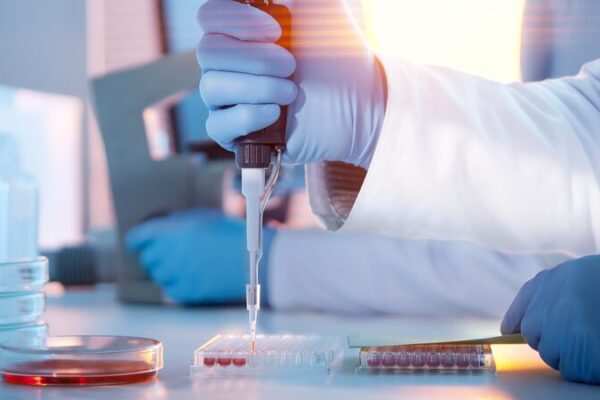
China releases new ethical guidelines to regulate human genome editing research, emphasizing responsibility, transparency, and strict prohibition of germline editing for reproduction.

A team of scientists from Tsinghua University has developed the world’s first bio-inspired 3D electronic skin, mimicking human skin’s ability to sense pressure, friction, and strain.

Chinese scientists have reconstructed a 3D model of a human embryo at two to three weeks post-fertilization, unveiling a crucial stage of development previously considered a ‘black box’.