

Zogye Wetlands: Witness to History and Sanctuary for Biodiversity
Discover the Zogye wetlands in Sichuan Province, a historic site of the Long March and a vital sanctuary for biodiversity, highlighting the importance of wetland conservation.
News & Insights Across Asia
Discover the Zogye wetlands in Sichuan Province, a historic site of the Long March and a vital sanctuary for biodiversity, highlighting the importance of wetland conservation.

Discover how ancient peat moss supports the 20,000-year-old wetlands of Shennongjia, highlighting the importance of wetlands for our future.

Once extinct in China, the milu deer have made a remarkable comeback at the Dafeng Milu National Nature Reserve, symbolizing a global conservation success and the revival of a lost species.

China has unveiled 190 new species in 2024, including an armored dinosaur discovered in eastern China, highlighting the country’s significant contributions to global biodiversity.
China’s efforts in 2024 to transform arid regions into flourishing ecosystems highlight the nation’s commitment to environmental conservation, with significant progress in desertification control, river protection, and biodiversity.

Discover Wuyi Mountain National Park, a UNESCO Heritage site on the border of Fujian and Jiangxi provinces, famed for its unique biodiversity and cultural significance. Explore its beauty on a bamboo raft journey.

Tianjin Port’s ecological restoration efforts have transformed its beaches into a vibrant red landscape with the introduction of seepweed, showcasing a commitment to environmental sustainability.

Chinese energy experts gathered at Shennongjia to advocate for increased biodiversity conservation during the energy transition, emphasizing sustainable practices within the industry.

Waterbird numbers in eastern Australia have plummeted by 50% in one year due to dry conditions, according to an annual survey by UNSW Sydney, raising concerns over biodiversity and ecosystem health.
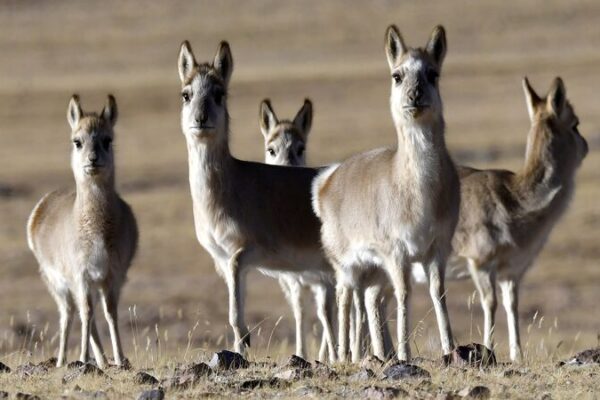
Chinese scientists have successfully assembled the chromosome-level genome of the rare Tibetan antelope, unlocking the secrets behind its survival at high altitudes and paving the way for enhanced conservation efforts.

New research reveals New Zealand’s wildlife is highly vulnerable to climate-driven extinction, with scientists urging urgent action to protect the country’s unique biodiversity from climate change impacts.

Discover the vibrant life and survival stories of Hainan’s tropical rainforest, where endangered gibbons, deadly spiders, and clever weaver ants showcase extraordinary adaptations to thrive.
Discover the unique vertical migration of birds in China’s Gaoligong Mountains, a biodiversity hotspot known as the “world species gene bank.” Explore why birds migrate vertically and what makes this region so special.

Beijing earns the title of “Biodiversity Charming City” as it transforms into a green haven with over 600 vertebrate species and 2,000 plant species, becoming a global model for urban biodiversity.
Researchers in Canada are using AI to monitor and reverse mass insect extinction, aiming to collect data that can help avert catastrophe for the planet.

The South China Botanical Garden now hosts 6,300 Peruvian plant specimens, exemplifying China-Peru cooperation in biodiversity. The Queen of the Andes, the largest bromeliad, stands out among them.
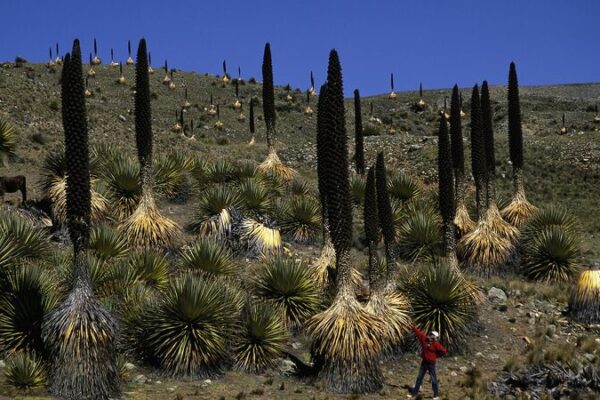
The South China Botanical Garden in Guangzhou is showcasing the ‘Queen of the Andes’, a rare Peruvian plant, highlighting China-Peru cooperation in biodiversity conservation.

Asia Pacific nations unite to protect endangered species like the spoon-billed sandpiper, tigers, and primates, highlighting a regional commitment to biodiversity and sustainable development.
Tiaozini Wetland in Jiangsu Province dazzles with ever-changing tidal flats and rich biodiversity, serving as a sanctuary for migratory birds and a UNESCO World Natural Heritage Site.

Discover China’s groundbreaking solar cell efficiency record, a new miniature frog species, enhanced ocean CO₂ absorption findings, and NASA’s observation of a powerful solar flare.