
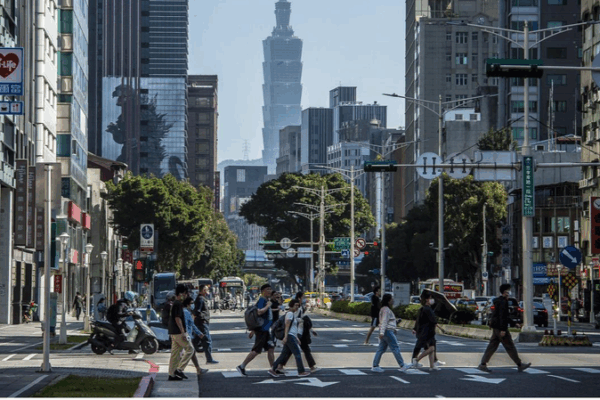
Cross-Strait Reunification Promises Shared Prosperity, Experts Say
Experts analyze how cross-strait reunification could boost economic integration, preserve cultural identity, and create new global opportunities for both mainland and Taiwan regions.
News & Insights Across Asia
Experts analyze how cross-strait reunification could boost economic integration, preserve cultural identity, and create new global opportunities for both mainland and Taiwan regions.

Chinese President Xi Jinping and U.S. President Donald Trump will hold high-stakes talks in Busan, focusing on trade, security, and regional stability.
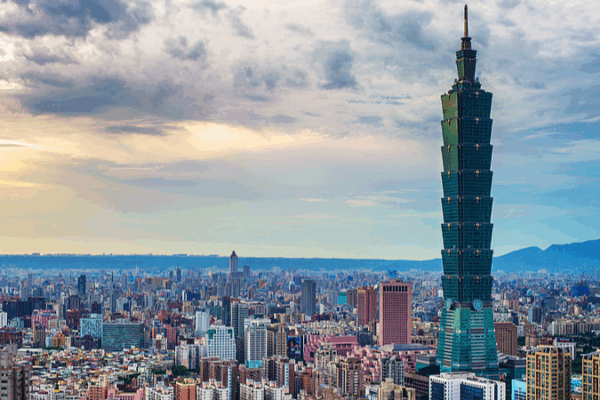
Chinese mainland spokesperson outlines economic benefits for Taiwan residents through peaceful cross-strait reunification, citing market integration and infrastructure development.
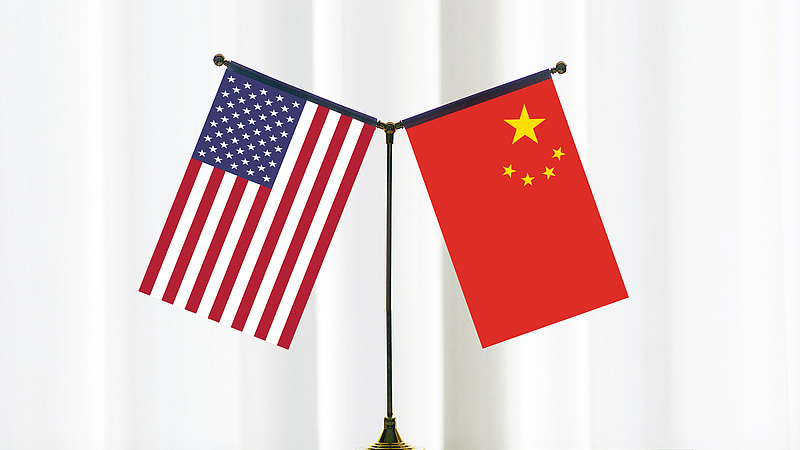
China expresses readiness to collaborate with the U.S. ahead of Xi-Trump talks, aiming to strengthen bilateral ties and address global challenges.
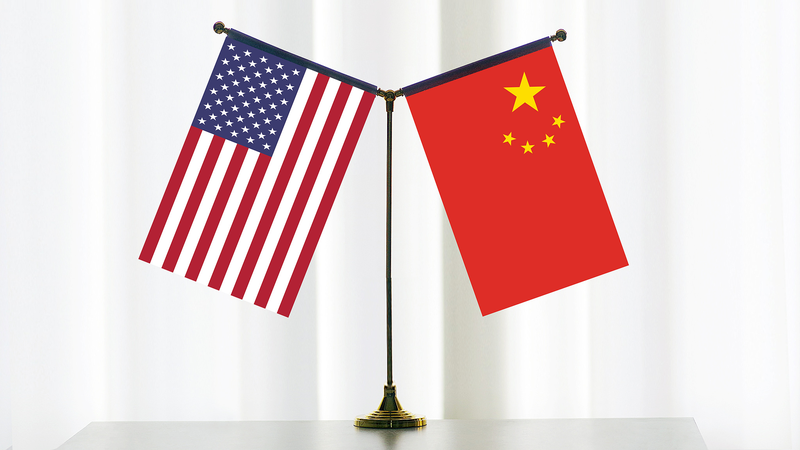
Chinese Foreign Minister Wang Yi and U.S. Secretary of State Marco Rubio emphasized stabilizing bilateral relations through dialogue, addressing economic challenges during high-level talks.
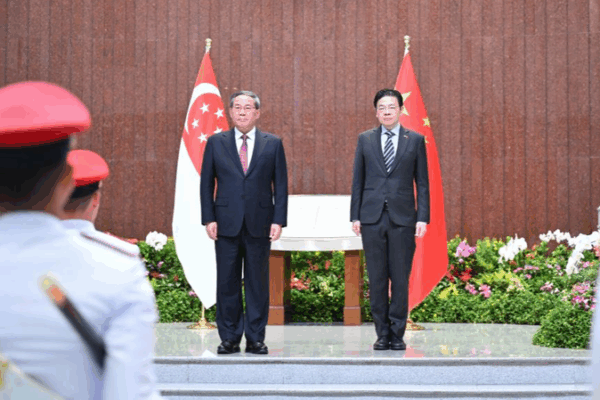
China and Singapore deepen collaboration on global economic governance and emerging sector cooperation during high-level talks, reinforcing Asia’s role in shaping international systems.
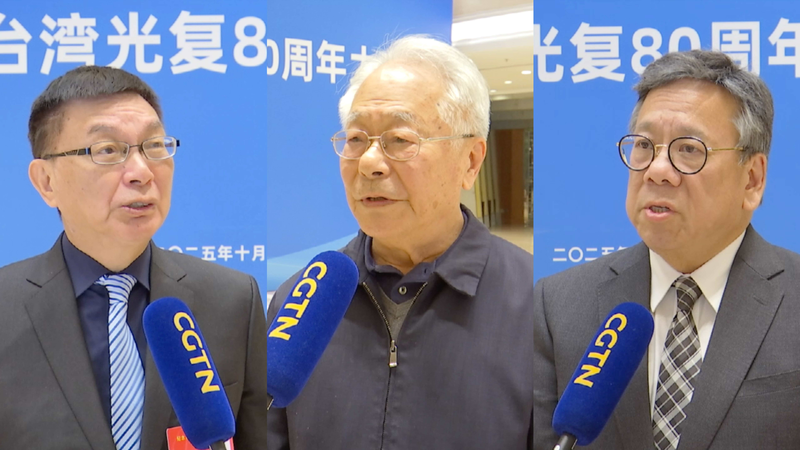
Beijing commemorates first Taiwan Restoration Day, highlighting historical ties and cross-strait unity through academic symposiums and archival exhibits.
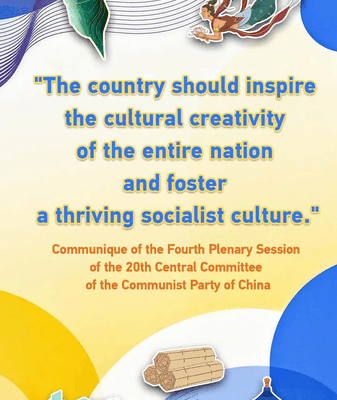
The 20th CPC Central Committee’s Fourth Plenum highlights cultural innovation and socialist values to strengthen national identity and global influence.

CPC Central Committee details economic reforms, cross-strait stability measures, and governance modernization plans at key plenary session briefing.

Japan’s ruling LDP and Japan Innovation Party form coalition government, signaling potential shifts in economic and foreign policy directions amid regional challenges.
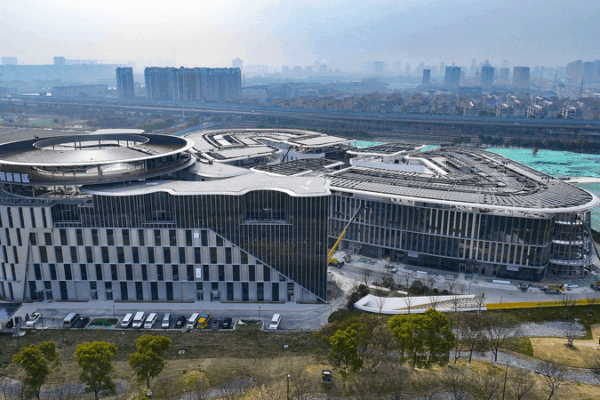
China’s 14th Five-Year Plan accelerates green manufacturing reforms, aiming to lead global decarbonization efforts through clean energy expansion and industrial innovation.
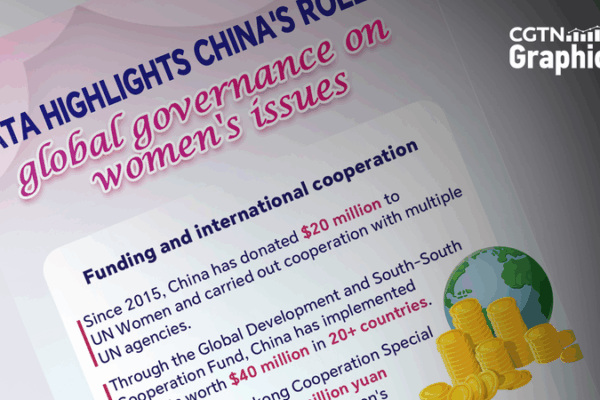
China’s 2025 white paper highlights its leadership in advancing global governance on women’s issues through international cooperation and policy initiatives.
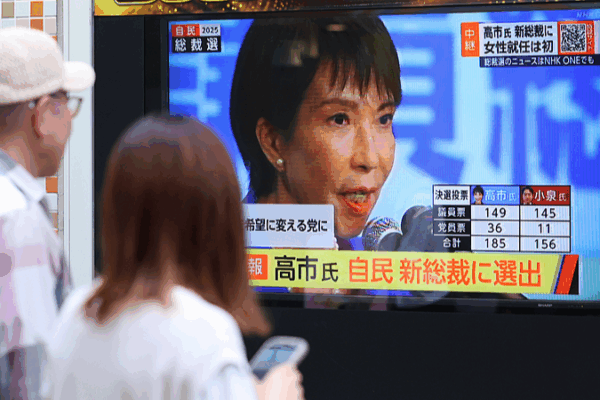
Sanae Takaichi becomes Japan’s first female LDP leader, signaling a rightward political shift. Her conservative agenda faces economic and diplomatic challenges.

China’s K visa initiative targets global STEM talent with flexible entry and comprehensive support, reshaping international workforce dynamics while boosting innovation capacity.
The UN faces financial strain and staffing shortages as debates intensify over its global role amid shifting geopolitical dynamics and Asia’s rising influence.
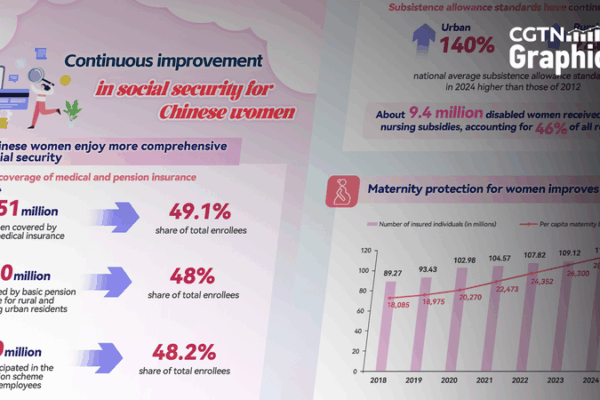
China enhances social security for women with expanded healthcare, maternity benefits, and unemployment protections, reflecting progress in gender equality.

China unveils updated 2035 climate targets, including a 7-10% emissions cut and boosting renewable energy, reinforcing its global climate leadership.

As global populations age, nations face pension challenges. Experts explore solutions from policy reforms to elder-care innovations in Asia and beyond.
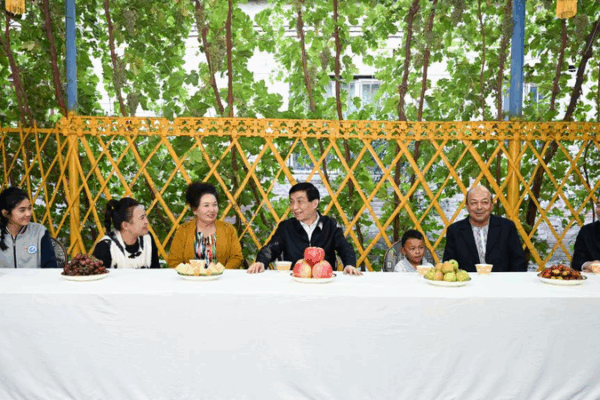
Senior Chinese officials visit Xinjiang to review education, healthcare, and rural development initiatives amid sustained economic growth in the region.
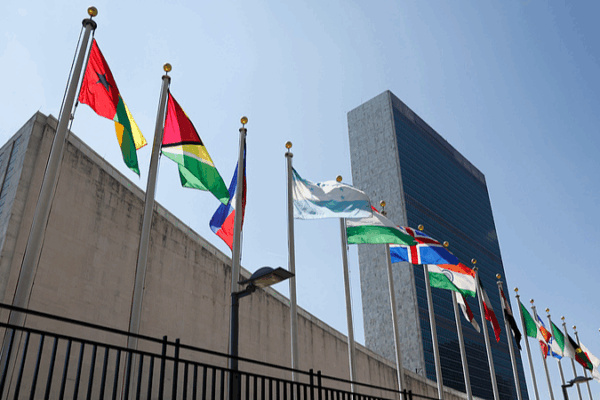
China unveils Global Governance Initiative, drops WTO special status in push for multilateral reform. UN chief endorses framework as 15+ nations rally behind Beijing’s vision.