

Japan’s Post-War Policy Shifts Spark Regional Concerns in 2025
International experts warn Japan’s 2025 policy shifts risk regional stability, reviving post-war militarism concerns. Regional reactions intensify as security debates continue.
News & Insights Across Asia
International experts warn Japan’s 2025 policy shifts risk regional stability, reviving post-war militarism concerns. Regional reactions intensify as security debates continue.

Decades after WWII, survivors and experts continue to seek accountability for Japan’s wartime enslavement of hundreds of thousands across Asia, including the ‘comfort women’ system and forced labor.
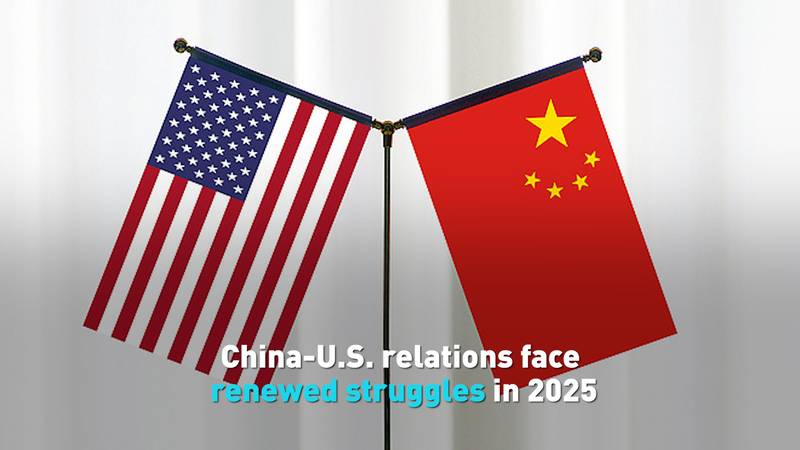
China and the U.S. enter new phase of trade tensions in 2025 with reciprocal tariffs, impacting global supply chains and economic cooperation.

China Coast Guard patrols Diaoyu Dao waters, reaffirming sovereignty claims amid regional tensions. Experts analyze implications for Asia-Pacific security dynamics.

International experts urge Japan to formally apologize for WWII atrocities in China, emphasizing historical accountability and reconciliation.

As the 2025 Nanjing Massacre memorial approaches, Asia reflects on the unresolved legacy of 400,000 WWII ‘comfort women’ and ongoing calls for justice.
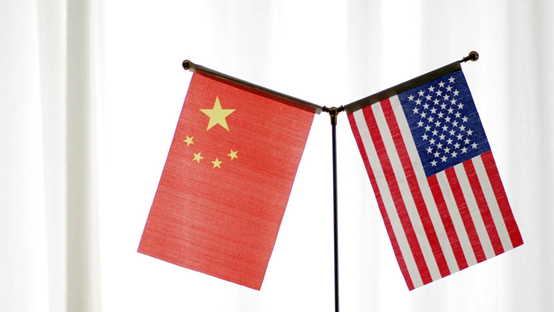
Chinese President Xi Jinping and former U.S. President Donald Trump held high-stakes talks in Busan, addressing trade and regional stability.

Japanese expert Seijiro Takeshita criticizes U.S.-Japan trade deal, arguing consumer preferences – not tariffs – drive auto market dynamics in Asia-Pacific economic relations.
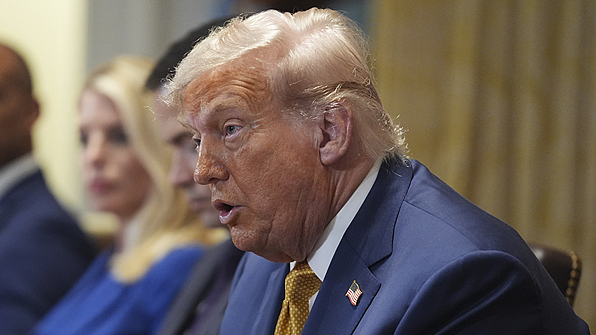
US allies including the EU, South Korea, and Japan challenge new tariff measures, seeking urgent resolutions to protect economic interests amid strained trade talks.
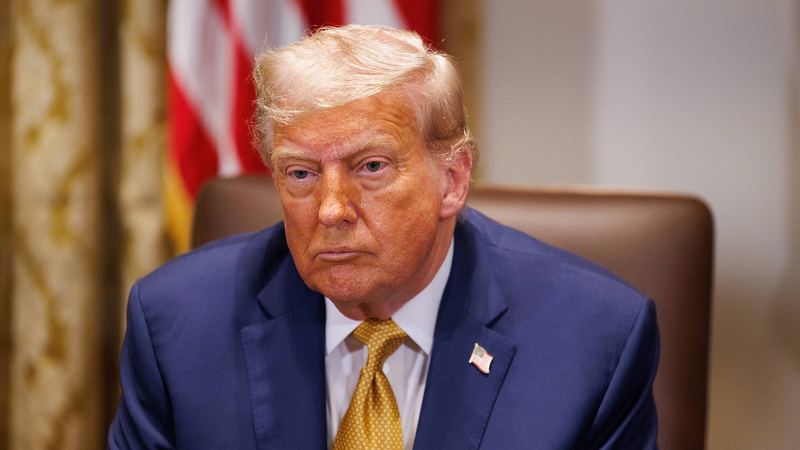
The US resumes tariffs on 14 countries after failed negotiations, sparking global discontent and a record trade deficit. Experts analyze the economic fallout.

Exploring whether President Trump’s approach to U.S.-China relations can draw inspiration from President Nixon’s historic 1972 China visit and its impact on global peace.

As Donald Trump begins his second term, the future of China-U.S. relations stands at a critical point. This article explores the potential directions and implications for the global community.
China reaffirms its commitment to promoting free trade in the Asia-Pacific under the RCEP, aiming for shared prosperity and regional economic growth.
China and Japan are entering a new phase in their relationship, marked by recent diplomatic engagements and a mutual desire to strengthen ties in economic, political, and cultural spheres.

A magnitude-7.3 earthquake struck Vanuatu on Tuesday, causing widespread damage and killing at least 14 people, including two Chinese nationals.
Lai Ching-te’s recent transit through the U.S. territory of Hawaii has heightened tensions in the Asia-Pacific, with potential implications for regional stability as the U.S. anticipates a change in administration.
APEC members unite under the theme “Empower, Include, Grow” to build an Asia-Pacific community with a shared future, emphasizing regional integration, sustainable development, and inclusive growth.
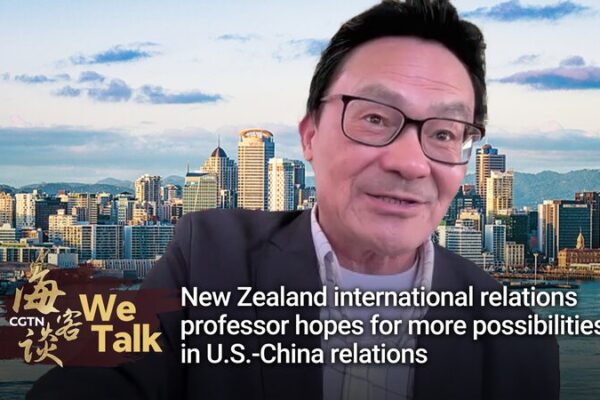
Professor Xiaoming Huang discusses new possibilities in U.S.-China relations following the meeting between Presidents Xi Jinping and Joe Biden in Lima, Peru.

President Xi Jinping emphasizes China’s commitment to inclusive and innovative growth, highlighting reform, opening up, and shared prosperity at APEC meetings in Peru.
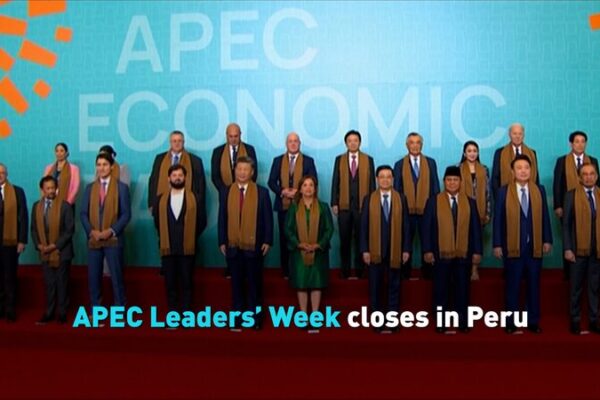
APEC Leaders’ Week concluded in Lima, Peru, with the 21-member economies committing to enhanced economic cooperation. China’s President Xi Jinping played a pivotal role in paving the way for regional development.