
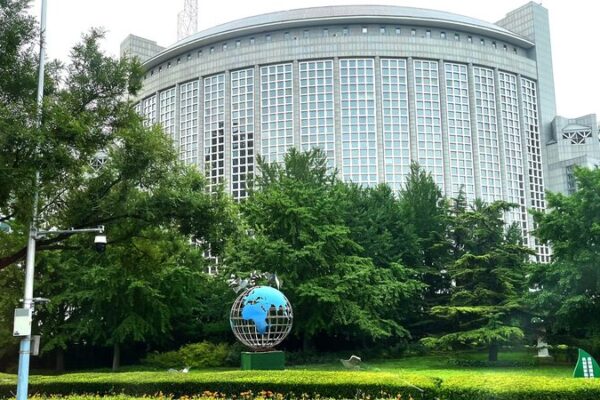
China Calls on NATO to Abandon Cold War Mentality and Stop Baseless Accusations
China urges NATO to abandon its Cold War mentality and stop baseless accusations, emphasizing the need for cooperation to maintain stability in the Asia-Pacific region.
News & Insights Across Asia
China urges NATO to abandon its Cold War mentality and stop baseless accusations, emphasizing the need for cooperation to maintain stability in the Asia-Pacific region.
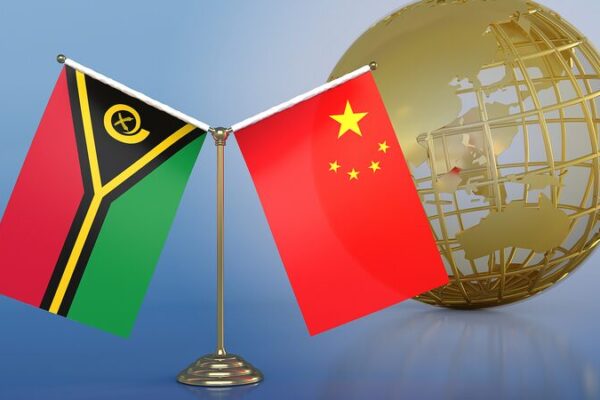
Vanuatu’s top leaders have reaffirmed their commitment to the one-China principle during meetings with a senior Chinese political advisor, signaling a deepening of diplomatic ties with China.
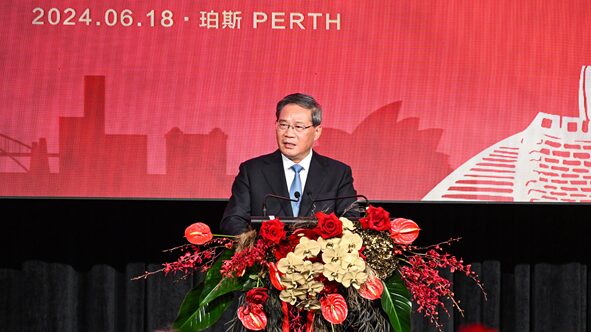
Chinese Premier Li Qiang’s recent visits to Australia, New Zealand, and Malaysia have revitalized diplomatic ties and expanded cooperation, signaling a positive shift in regional relations.
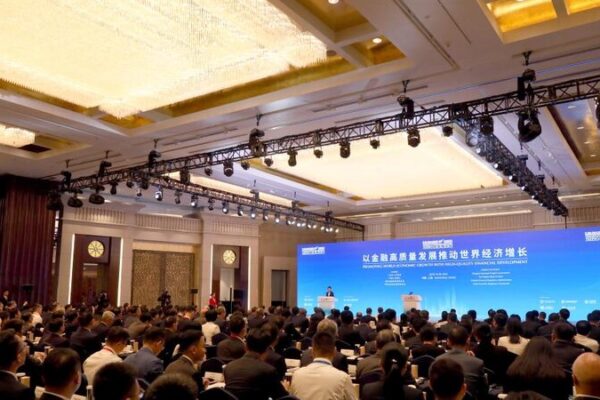
The IMF has inaugurated a regional center in Shanghai, reflecting Asia-Pacific’s rising economic influence and enhancing collaboration with regional economies on financial stability and sustainable growth.
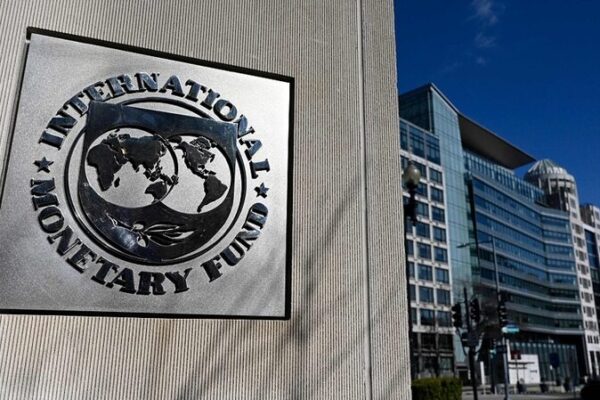
The IMF announced the establishment of a new regional center in Shanghai at the Lujiazui Forum, aiming to strengthen collaboration and support economic growth in the Asia-Pacific region.
Chinese Premier Li Qiang’s recent visit to Australia marks a significant step in strengthening ties between the two nations, fostering cooperation, and promoting regional peace and development.

China and New Zealand pledge to upgrade their comprehensive strategic partnership, focusing on deepening cooperation in key sectors and contributing to regional peace and development.

Admiral Paparo’s recent comments highlight escalating tensions in the Taiwan Strait as the U.S. pursues a ‘porcupine strategy’ by increasing military support to the Taiwan region, raising concerns over regional stability.
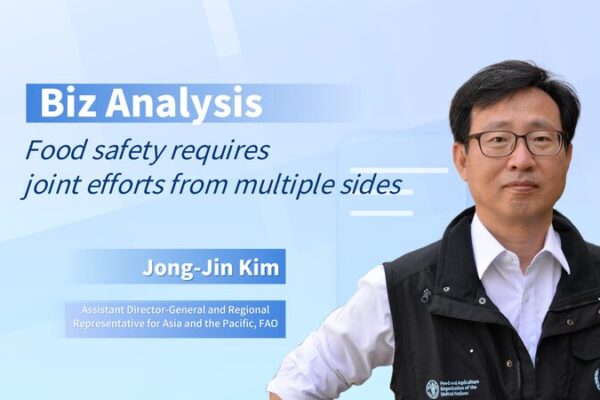
FAO reports that 225,000 people die annually from foodborne illnesses in Asia-Pacific, urging unified efforts to improve food safety and reduce the high mortality rate, especially among children.
Chinese Defense Minister Dong Jun presented a six-point global security plan at the Shangri-La Dialogue, emphasizing cooperation, mutual respect, and a shared future for humanity.
The United States announces new tariffs on $18 billion worth of Chinese imports, targeting key sectors and potentially escalating trade tensions with China.

Solomon Islands’ Prime Minister Manasseh Sogavare has been re-elected to parliament, reinforcing his influential role in the nation’s political arena.
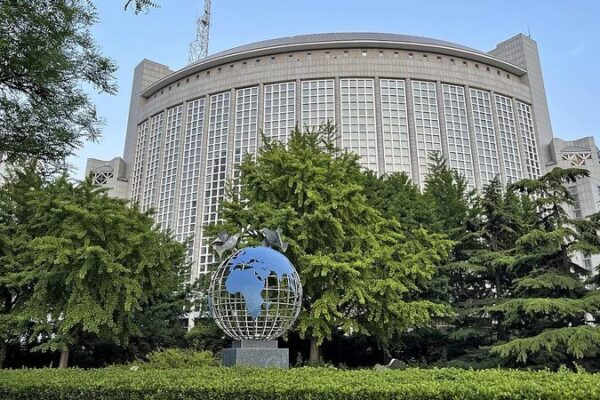
China calls on Australia to reassess its perception of China’s strategic intentions following Australia’s new National Defense Strategy, urging mutual understanding to maintain regional peace.
Recent actions by the U.S. and its allies in the Asia-Pacific, including potential expansion of AUKUS to Japan, spark debates over the formation of an ‘Asia-Pacific NATO’ and its implications for regional security.

At a meeting in Beijing, Chinese Foreign Minister Wang Yi urged for cooperation and development in the Asia-Pacific region, emphasizing unity over division.
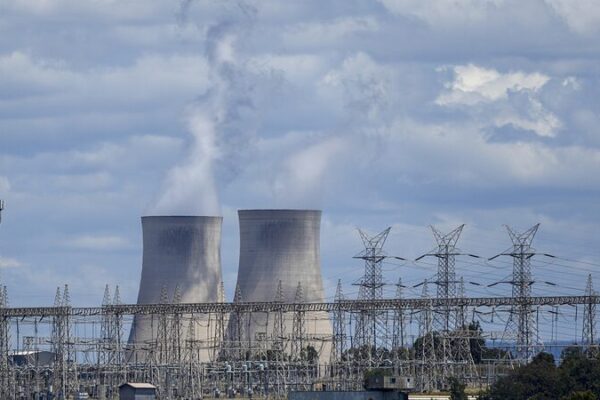
Australia’s Climate Change Authority recommends a 65-75% emissions reduction by 2035, setting an ambitious target that could reshape the nation’s climate policy and impact the Asia-Pacific region.
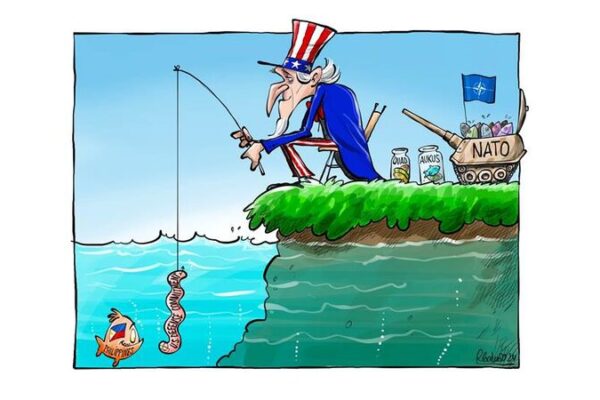
Leaders from the U.S., Japan, and the Philippines are meeting in Washington to strengthen security cooperation, addressing regional challenges and reinforcing commitments to stability in the Asia-Pacific.
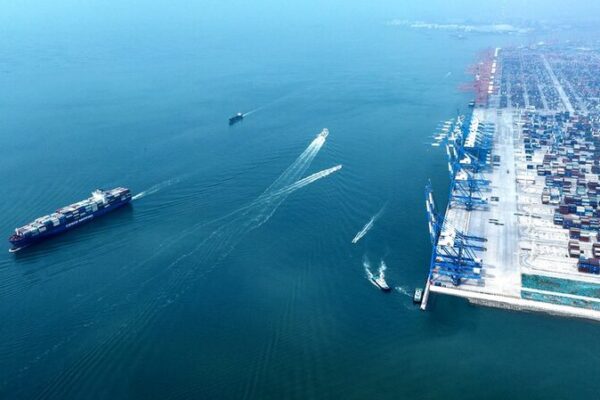
China has condemned efforts by the U.S., UK, and Australia to expand their AUKUS security alliance, warning against forming exclusionary blocs and escalating nuclear proliferation risks in the Asia-Pacific.
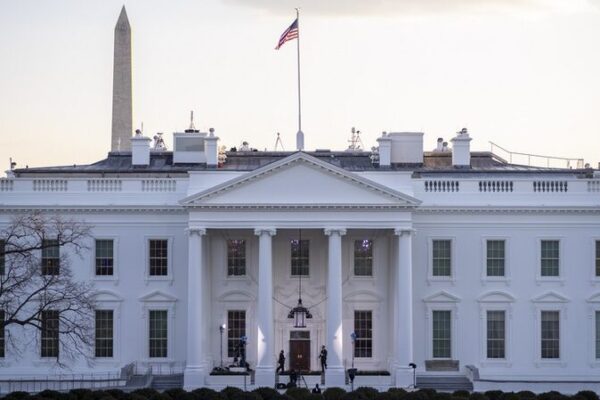
Japanese Prime Minister Fumio Kishida’s visit to the White House could lead to significant shifts in Asia-Pacific security, including a potential trilateral pact with the Philippines.
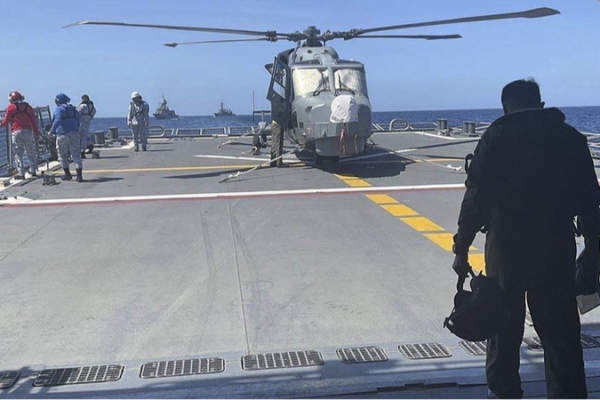
Joint military drills by the Philippines, the U.S., Japan, and Australia have heightened tensions in the South China Sea, raising concerns about regional stability and adherence to ASEAN principles.