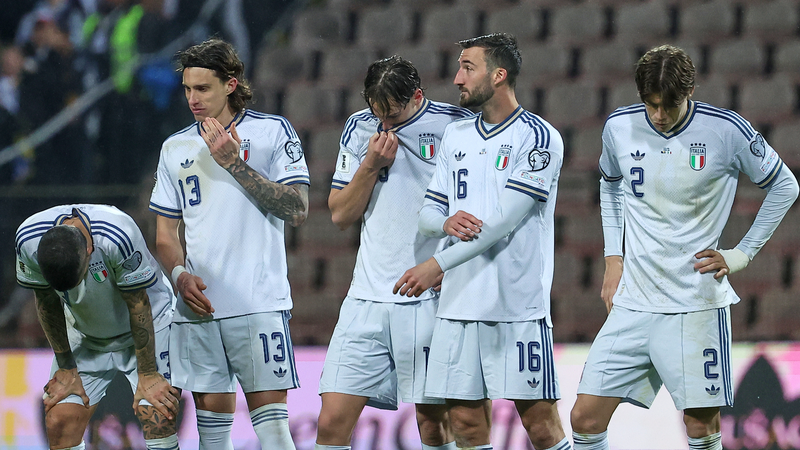
As the 2026 FIFA World Cup approaches, Italy's unprecedented third consecutive qualification failure has ignited urgent discussions about the state of European football. The four-time champions' absence from this summer's expanded 48-team tournament marks a historic low for a nation that lifted the trophy as recently as 2006.
Analysts point to systemic issues plaguing Serie A, where financial constraints have limited youth development while mid-tier clubs increasingly rely on aging stars. This season's Champions League saw only two Italian teams reach the quarterfinals – the lowest representation in a decade.
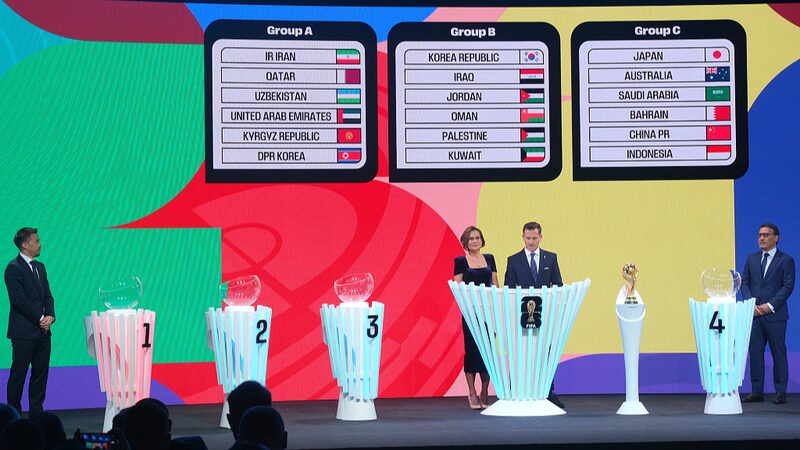
The ripple effects extend beyond national pride. Sponsorship analysts estimate Italy's absence could cost global brands $200 million in lost marketing opportunities. Meanwhile, emerging squads from Southeast Asia and Central Asia are capitalizing on revised qualification formats to make their World Cup debuts.
While France and Spain showcase refined youth academies ahead of the tournament, Italian Football Federation president Gabriele Gravina recently announced a "total restructuring" of development programs. However, with star goalkeeper Gianluigi Donnarumma entering his prime at 27, some experts believe recovery could come faster than expected.
As the global football community prepares for the June kickoff in North America, all eyes remain on whether one of the sport's most storied nations can reinvent itself for modern football's evolving landscape.