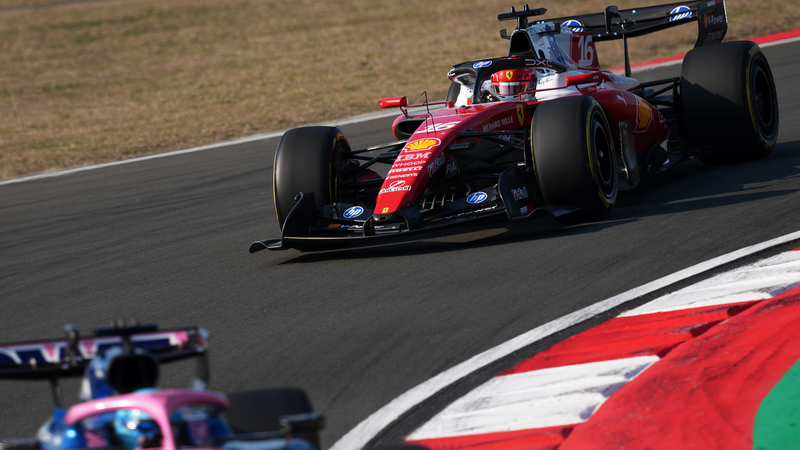
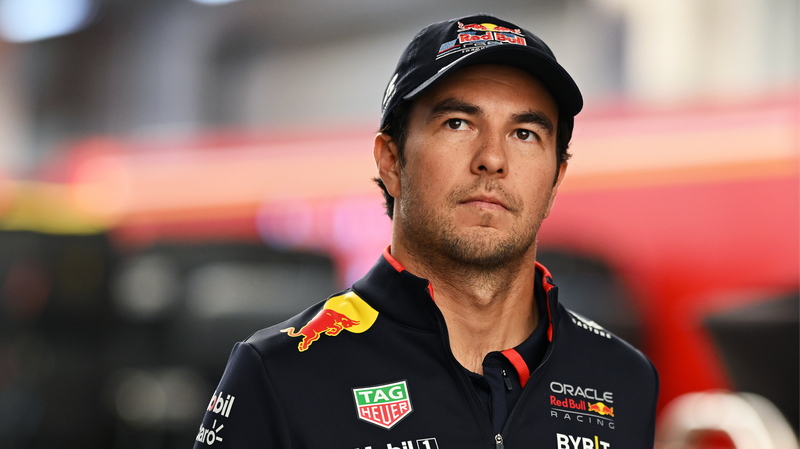
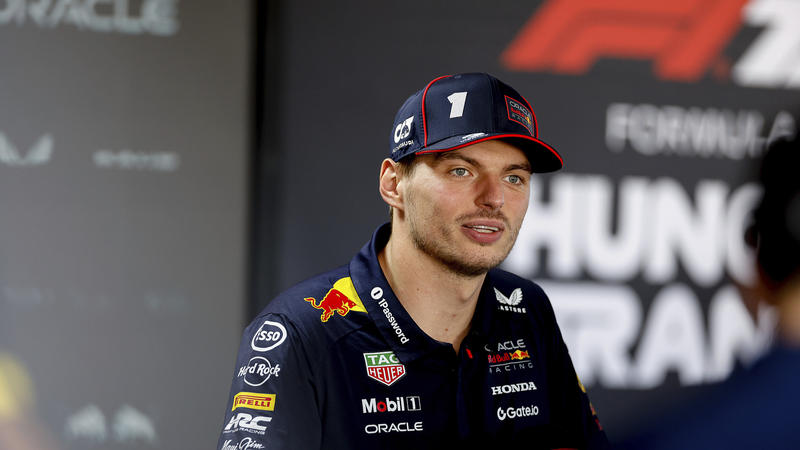
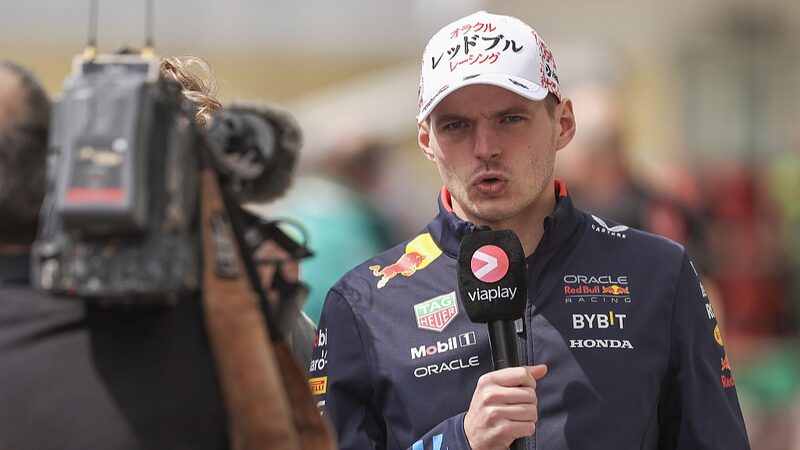
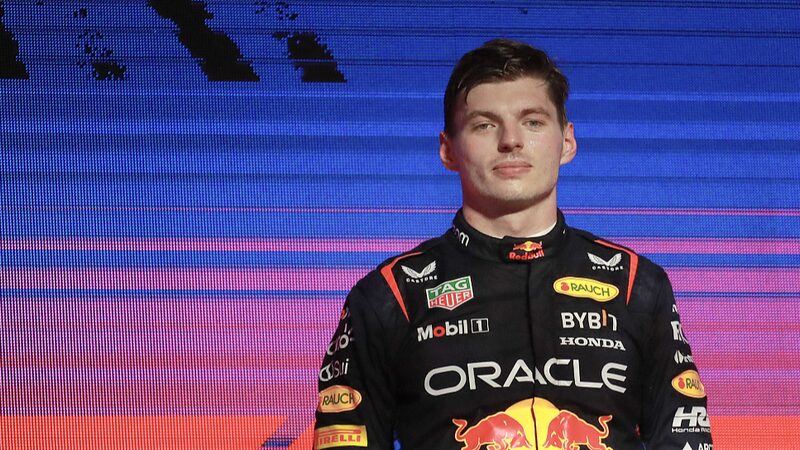
Formula One's 2026 season marks a pivotal shift as teams adapt to sweeping technical changes, including hybrid power units with intensified electrical deployment and revised aerodynamics designed to boost overtaking. The Shanghai International Circuit, hosting its first Chinese Grand Prix since 2023, will serve as a critical proving ground this weekend. Drivers report mixed reactions to the new systems, with Red Bull's Max Verstappen calling them "a necessary evolution" while Ferrari's Charles Leclerc warns of "overcomplication."
Shanghai's Unique Challenge
The 5.451-kilometer track, featuring the demanding Turn 1-3 complex and 1.2-kilometer back straight, will test energy recovery systems under the updated regulations. Mercedes team principal Toto Wolff notes: "How cars manage electrical deployment here could redefine team strategies for the season." The race also marks Zhou Guanyu's homecoming as the Shanghai-born driver debuts with Cadillac-powered Andretti Global, drawing significant local interest.
Balancing Innovation and Identity
While lap times have dropped by 1.2 seconds on average compared to 2025, purists argue the reduced engine noise and standardized battery components diminish F1's mechanical soul. FIA president Mohammed Ben Sulayem defends the changes: "We're creating sustainable racing that appeals to younger, eco-conscious audiences." With six different podium finishers in the first three races, the 2026 campaign promises unpredictability – but at what cost to tradition?