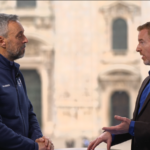
Milano Cortina 2026 Winter Olympics CEO Andrea Varnier has declared the event’s geographically dispersed format a “successful experiment” in sustainable hosting, following exclusive remarks to CGTN Sports Scene. With venues spanning Italy’s northern regions, organizers prioritized leveraging existing infrastructure over new construction, marking a potential paradigm shift for future Games.
Prioritizing Existing Infrastructure
Varnier emphasized that scattering competitions across historic mountain locations like Livigno and Cortina d’Ampezzo allowed Italy to “showcase some of the best sport using mountains known all over the world.” This approach minimized environmental impact while maintaining world-class competition standards.
Logistical Challenges and Solutions
Despite coordination complexities between venues, Varnier noted the opening ceremony’s multi-location broadcast successfully unified athletes and audiences. “The first few days show that is doable,” he stated, highlighting real-time transport coordination and digital connectivity as key enablers.
Maintaining Olympic Unity
Addressing concerns about fragmented atmospheres, Varnier pointed to broadcast innovations that visually linked distant venues. “The Olympic spirit remains intact,” he asserted, citing cross-regional fan engagement and shared ceremonial elements as evidence of cohesion.
A New Standard for Mega-Events
The CEO framed the model as a “special message” to future hosts: “You can do Games widespread… adapt them to what you have.” With early operational successes, the 2026 Winter Olympics may set precedents for balancing spectacle with sustainability.