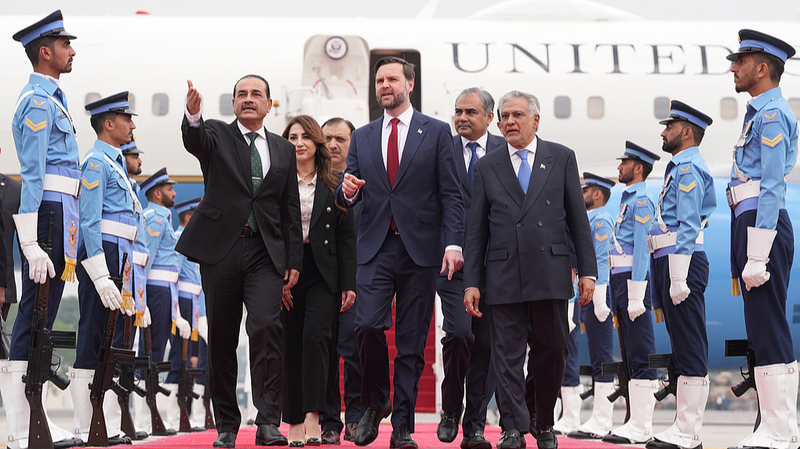
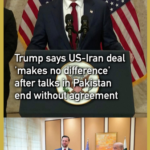
High-stakes negotiations between Iran and the United States concluded without agreement in Islamabad this week, with Iranian officials accusing Washington of making "excessive demands" that derailed progress. The talks, held amid heightened regional tensions, focused on critical issues including sanctions relief, nuclear program limitations, and security in the Strait of Hormuz.
Iranian Foreign Ministry spokesman Esmaeil Baghaei stated via social media that discussions covered war reparations, regional conflict resolution, and Iran\u2019s right to peaceful nuclear development. "Success depends on the opposing side\u2019s seriousness and acceptance of Iran\u2019s legitimate rights," Baghaei emphasized, reflecting Tehran\u2019s stance that US sanctions must be fully lifted for progress.
US Vice President JD Vance confirmed the impasse on Sunday, stating no common framework had been achieved. Iranian Parliament Speaker Mohammad Baqer Qalibaf, leading Tehran\u2019s delegation, criticized Washington\u2019s approach: "The other side failed to gain our trust through constructive dialogue."
Analysts suggest the deadlock complicates efforts to stabilize energy markets and regional security. With both sides maintaining firm positions, observers now watch for potential backchannel diplomacy or economic pressures to break the stalemate.