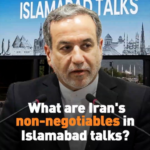
High-stakes negotiations between the United States and Iran concluded without agreement this week in Islamabad, with Iranian officials citing "excessive demands" by Washington as the primary obstacle. The talks, focused on critical issues including nuclear safeguards, sanctions relief, and regional security, ended on April 12, 2026, with both sides returning to their capitals without a framework for future engagement.
Iranian Foreign Ministry spokesman Esmaeil Baghaei stated through social media that discussions addressed the strategic Strait of Hormuz, war reparations claims, and the complete lifting of economic sanctions. "Success requires mutual respect for legitimate interests," Baghaei emphasized, signaling Tehran's position that Washington's approach undermined progress.
US Vice President JD Vance confirmed the impasse during his departure from Pakistan, though American officials have yet to detail their negotiation stance. Observers note the breakdown comes amid heightened tensions in Middle Eastern energy corridors, with global oil prices reacting cautiously to the diplomatic setback.
This marks the third unsuccessful attempt since 2025 to revive dialogue between the two nations, with analysts warning that prolonged deadlock could complicate international efforts to stabilize energy markets and contain nuclear proliferation risks.