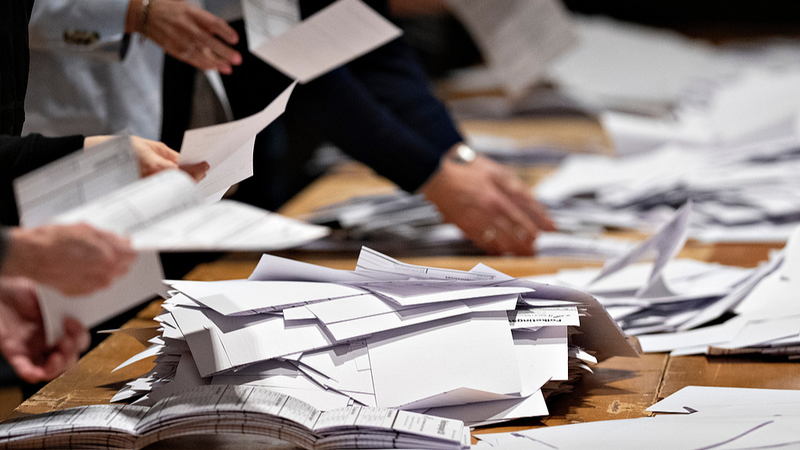
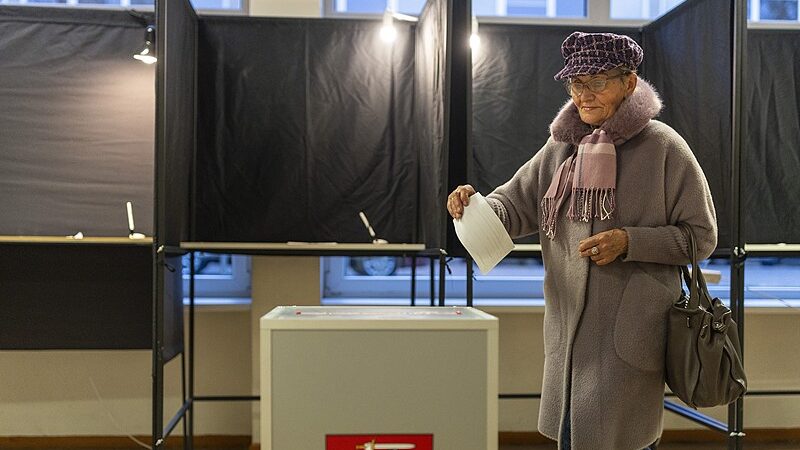
Denmark's 2026 parliamentary election has resulted in a fragmented parliament, with neither the left-leaning 'red bloc' nor the right-leaning 'blue bloc' securing a majority. Preliminary results from Denmark proper show the Social Democrats maintaining their position as the largest party with 21.9% of the vote and 38 seats, though this marks a 12-seat decline from their 2022 performance.
The Socialist People's Party followed with 20 seats, while Venstre and Liberal Alliance secured 18 and 16 seats respectively. With the red bloc holding 84 seats and the blue bloc 77, the centrist Moderates—winning 14 seats—emerge as potential kingmakers in coalition negotiations. A majority requires 90 seats in the 179-member Folketing, which includes representatives from Greenland and the Faroe Islands.
Prime Minister Mette Frederiksen acknowledged the challenges ahead, stating she is prepared to lead negotiations but cautioned that forming a government 'will not be easy.' Denmark's multi-party system frequently results in minority or coalition governments, with cross-bloc cooperation often determining policy outcomes.
Observers note that the Moderates' role could influence Denmark's approach to economic reforms and international partnerships, factors of interest to Asian investors monitoring European stability. Final results await confirmation from Greenland and the Faroe Islands, though their four seats are unlikely to shift the balance decisively.