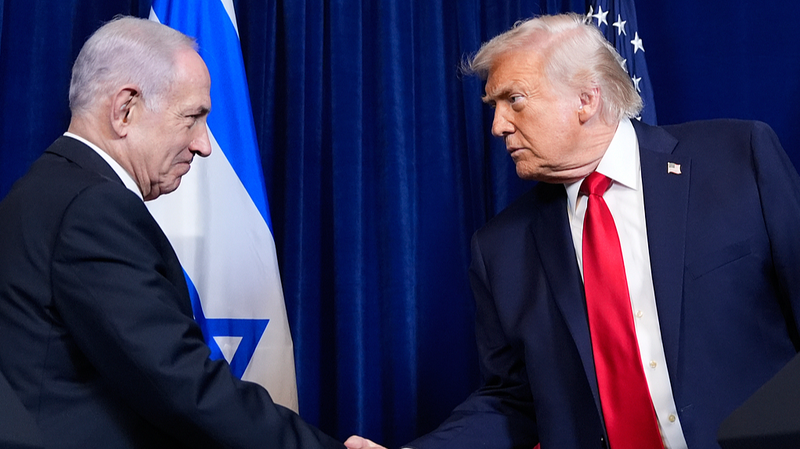
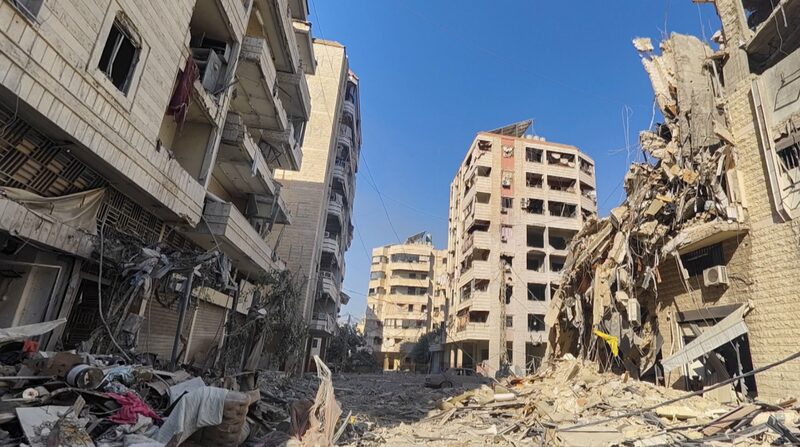
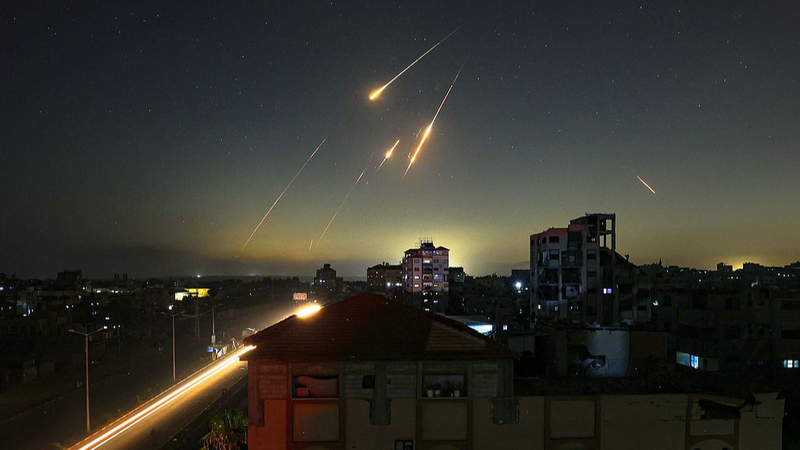
As the conflict with Iran enters its third week, strategic differences between the United States and Israel are becoming increasingly apparent. While US President Donald Trump signaled this week that military operations may conclude "soon," Israeli forces have intensified strikes on Iranian oil infrastructure, raising questions about the allies' long-term alignment.
Analysts note that Washington and Tel Aviv share a goal of curbing Iran's regional influence but differ significantly in their desired outcomes. "Israel seeks to permanently neutralize Tehran's strategic capabilities, while the US appears focused on achieving limited concessions," explained Sun Taiyi, a professor at Christopher Newport University.
Domestic Pressures Shape Strategies
With 93% of Jewish Israelis supporting military action according to recent polls, Prime Minister Benjamin Netanyahu faces strong domestic backing to maintain pressure. Conversely, US political support appears fragile—53% of Americans oppose military action against Iran, per a Quinnipiac survey released this week.
Economic Risks Loom Large
The conflict's economic consequences are mounting, with oil prices briefly hitting $120 per barrel—the highest since mid-2022. Approximately 1,000 commercial vessels remain stranded near the Gulf due to security concerns, threatening global supply chains.
Path to De-escalation
Wang Jin of Northwest University's Center for Israel Studies suggests Washington holds decisive influence: "Israel may start the conflict, but its conclusion depends largely on US decisions." While Trump has hinted at declaring victory based on degraded Iranian capabilities, risks of escalation persist—particularly if proposed US operations targeting nuclear materials encounter setbacks.