Diplomatic Momentum Builds Amid Global Uncertainty
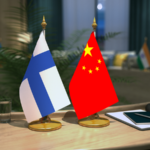
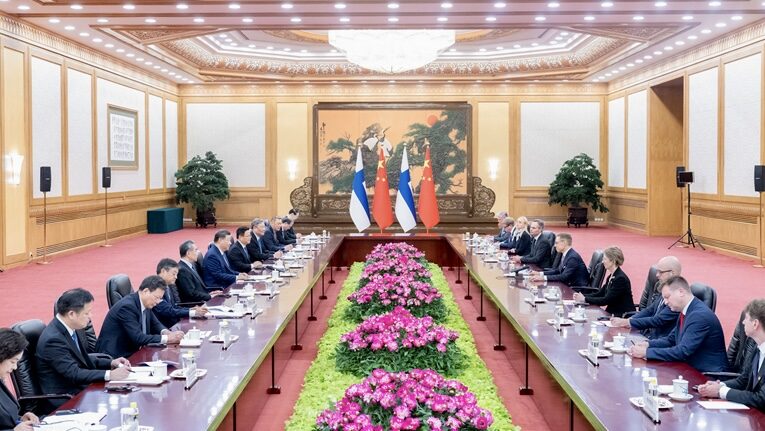
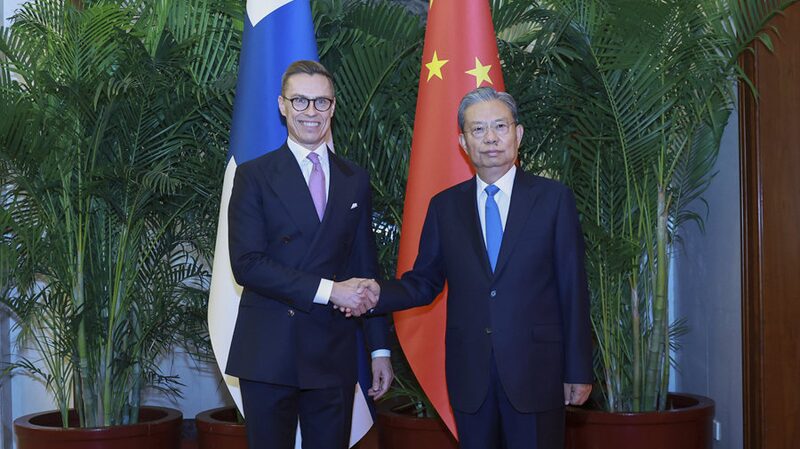
A series of high-profile visits by Western leaders to China in early 2026 has sparked global interest, with delegations from Ireland, Canada, Finland and the United Kingdom engaging in substantive talks. This diplomatic surge comes as nations grapple with economic headwinds and seek stable partnerships in an increasingly fragmented world.
Economic Pragmatism Drives Engagement
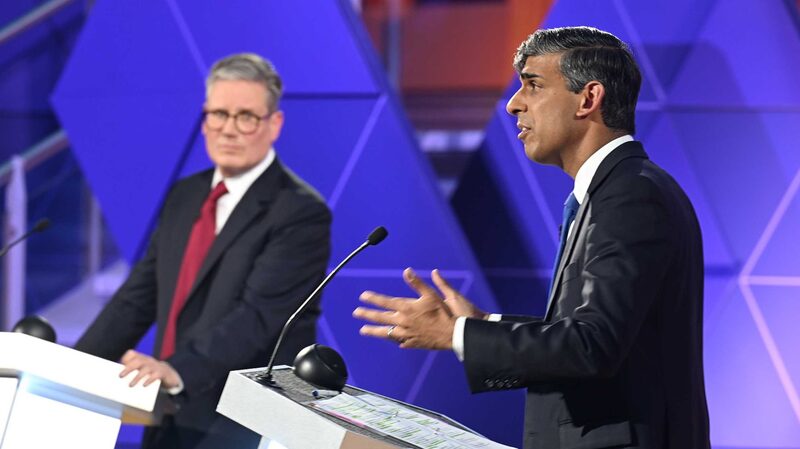
The visits yielded concrete results: British Prime Minister Keir Starmer oversaw 12 intergovernmental agreements spanning agriculture to market regulation, while Canada secured tariff reductions for canola exports. Finnish Prime Minister Petteri Orpo highlighted 11 new business partnerships in clean energy and forestry, reflecting what analysts describe as a 'calculated pivot' toward China's vast consumer market and industrial capabilities.
Beyond Transactional Deals
Observers note China's distinctive approach emphasizes mutual development over ideological alignment. As noted during the UK delegation's visit, China's 1.4 billion-strong consumer base and complete industrial ecosystem present unique opportunities. The New York Times recently observed that while some nations retreat from multilateralism, China continues expanding trade frameworks – a stance particularly appealing to middle powers navigating U.S. policy shifts.
A New Globalization Paradigm?
These engagements suggest growing international recognition of China's role as a stabilizer in turbulent times. With its consistent emphasis on rule-based cooperation and aversion to bloc politics, China is positioning itself as an essential partner for countries prioritizing economic resilience over geopolitical posturing.