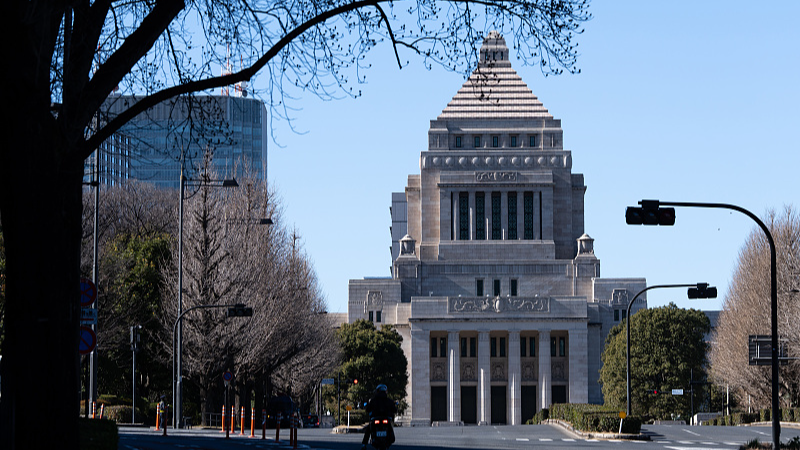
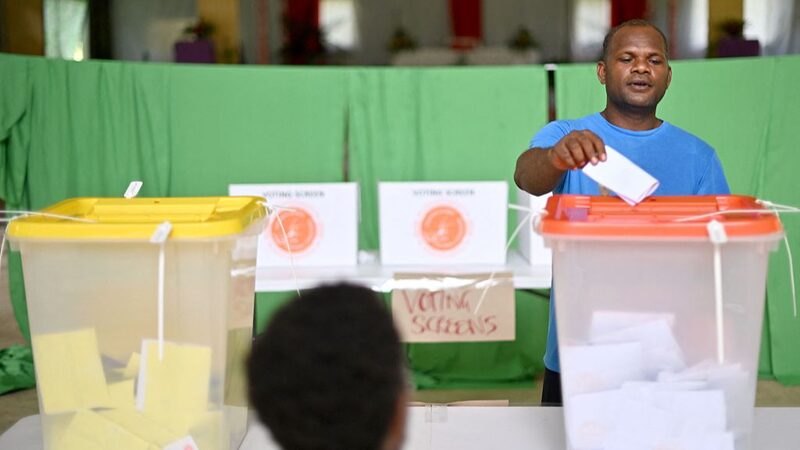
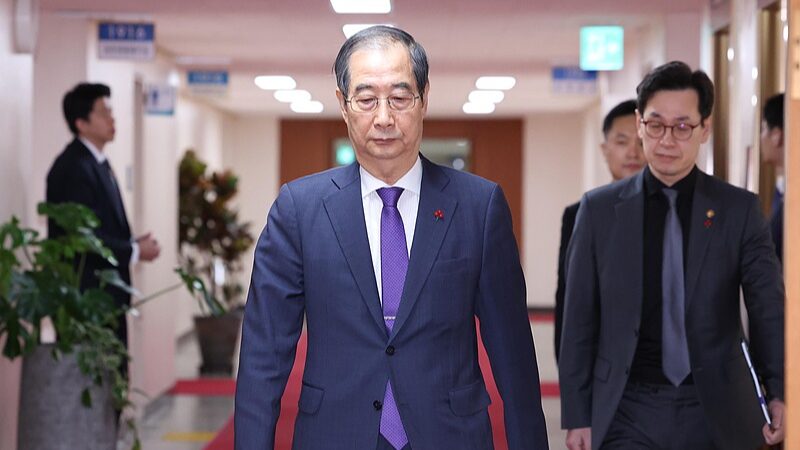
Japan's political future hangs in the balance as citizens cast votes in Sunday's high-stakes general elections, with Prime Minister Sanae Takaichi's ruling coalition facing its first major electoral test since taking office. Over 1,200 candidates are vying for 465 seats in the House of Representatives, the decisive lower chamber of parliament that shapes national policy.
The Liberal Democratic Party (LDP) and its junior partner, the Japan Innovation Party, seek to maintain their majority amid growing economic challenges and regional security concerns. Opposition parties aim to capitalize on voter concerns about inflation and social welfare reforms, potentially disrupting the administration's legislative agenda.
Electoral dynamics reveal intense competition across 289 single-member districts and 11 regional proportional representation blocs. Polling stations nationwide will close at 8 p.m. local time, with preliminary results expected to emerge overnight.
Market analysts are closely monitoring the outcome, as a stable majority for the ruling coalition could signal continuity in economic policies affecting Asia's second-largest economy. Conversely, significant opposition gains might reshape Japan's approach to key issues like defense spending and energy security.