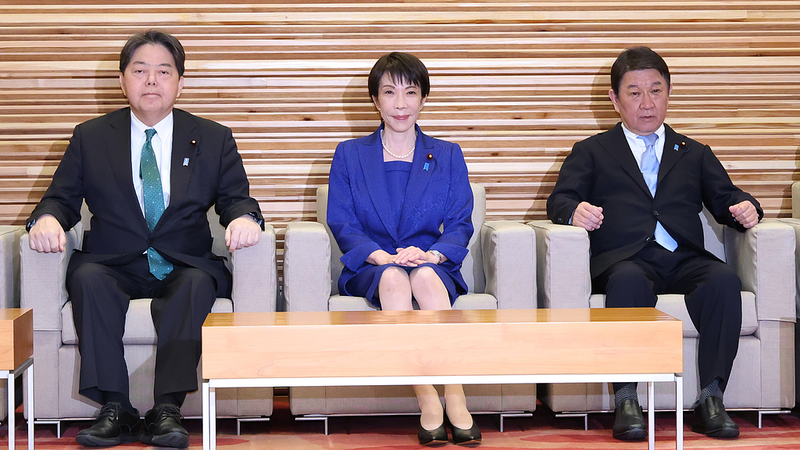
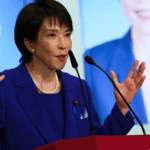
Japanese Prime Minister Sanae Takaichi has triggered the shortest election cycle in postwar history, dissolving the House of Representatives on January 23, 2026, with voting set for February 8. The move comes as her Liberal Democratic Party (LDP) struggles to advance key policies without a parliamentary majority, holding just 199 of 465 lower house seats.
The Power Play Behind the Polls
Takaichi framed the snap election as necessary to implement urgent economic reforms and strengthen cooperation with coalition partner Japan Innovation Party. However, analysts see it as a strategic maneuver to preempt mounting challenges: persistent inflation (5.2% YoY in December 2025), unresolved LDP funding scandals, and public discontent over security policies that have strained China-Japan relations following controversial 2025 remarks about the Taiwan region.
Opposition Mounts Unified Front
The newly formed Centrist Reform Alliance, combining Constitutional Democratic Party and Komeito forces, has gained traction with promises to curb living costs and maintain Japan's non-nuclear principles. Recent Asahi Shimbun polls show 50% public opposition to the snap election, with critics arguing it disrupts crucial budget deliberations for the 2026 fiscal year.
Make-or-Break Scenario
Takaichi has staked her premiership on securing at least 233 lower house seats. Failure would likely end her leadership amid ongoing corruption allegations, including a December 2025 complaint about illegal corporate donations in Nara. Political researcher Meng Mingming warns that even a coalition victory could accelerate controversial security reforms, potentially altering Japan's pacifist constitution and further straining cross-strait relations.
With campaigning limited to 16 days – the briefest since 1947 – analysts predict voter turnout will be decisive. The election's outcome may determine not just Japan's economic trajectory but its role in Asian geopolitics during this critical decade.