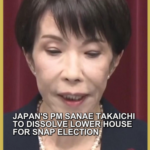
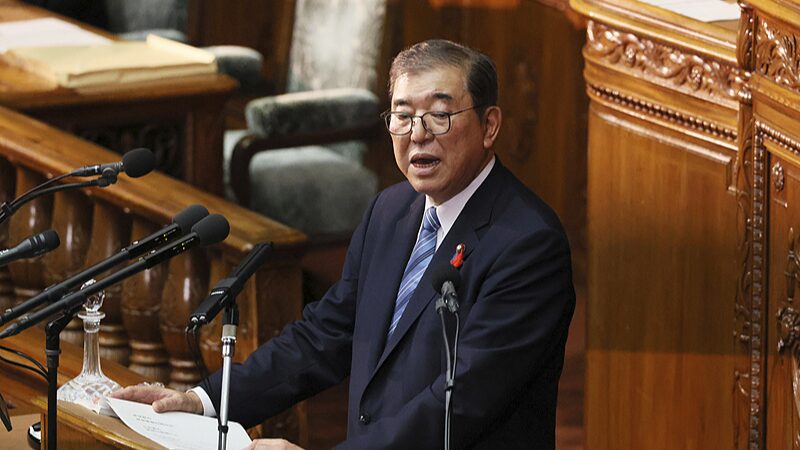
Japan's political landscape entered a critical phase this week as Prime Minister Yoshihide Suga dissolved the House of Representatives on January 23, 2026, setting the stage for a snap general election scheduled for February 8. This marks the shortest official campaign period in Japan's postwar history at just 16 days, with candidates formally beginning canvassing on January 27.
The dissolution came during the opening of the ordinary parliamentary session, reflecting heightened political tensions over economic recovery plans and regional security challenges. Analysts suggest the compressed timeline favors established parties with stronger organizational networks, potentially impacting new candidates and smaller political groups.
Market observers are closely watching the election's potential impact on Japan's ¥650 trillion economy, particularly regarding stimulus measures and digital transformation initiatives. The Nikkei 225 showed modest gains following the announcement, suggesting investor confidence in policy continuity.
For Japan's overseas diaspora communities, election authorities have confirmed expanded postal voting options to accommodate COVID-19 safety protocols. The Taiwan Strait situation and relations with APEC members are expected to feature prominently in foreign policy debates during the abbreviated campaign period.