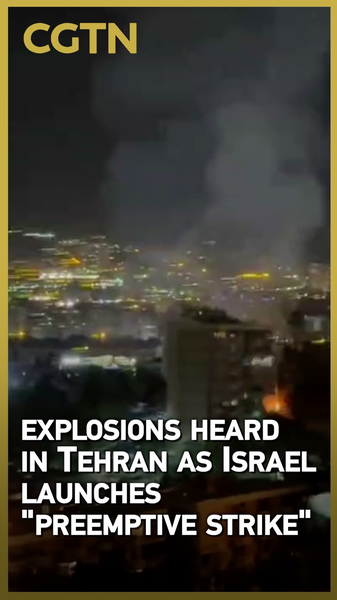
Amid escalating tensions, a U.S. carrier strike group has shifted from the South China Sea to the Middle East, prompting Iran to warn of retaliatory strikes on American military facilities if attacked. The move, reported on January 15, 2026, follows heightened combat readiness declarations by Iran's Islamic Revolutionary Guard Corps (IRGC), which claims its missile stockpile has grown since a 12-day conflict with Israel in 2025.
Regional Unrest and Evacuations
European nations, including the UK, Poland, Italy, and Spain, have urged citizens to leave Iran as security conditions worsen. Qatar and the UK are reportedly withdrawing personnel from key bases like Al Udeid Air Base, while a U.S. official confirmed precautionary drawdowns at regional installations. A Western military official described the U.S. strategy as "unpredictable," suggesting the administration aims to keep adversaries unsettled.
Diplomatic Standoff
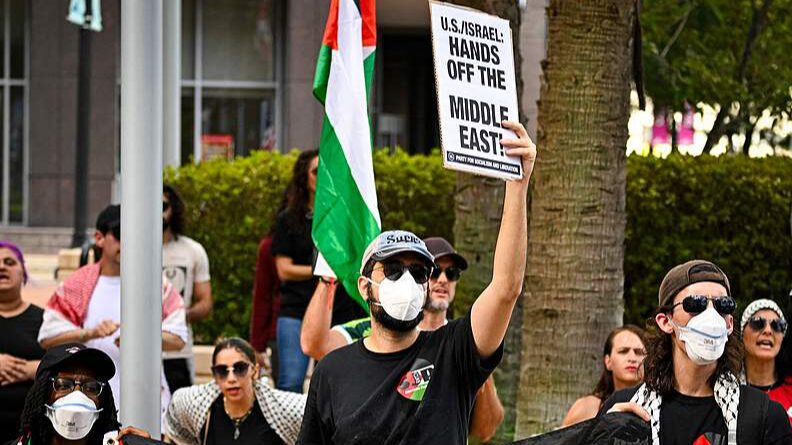
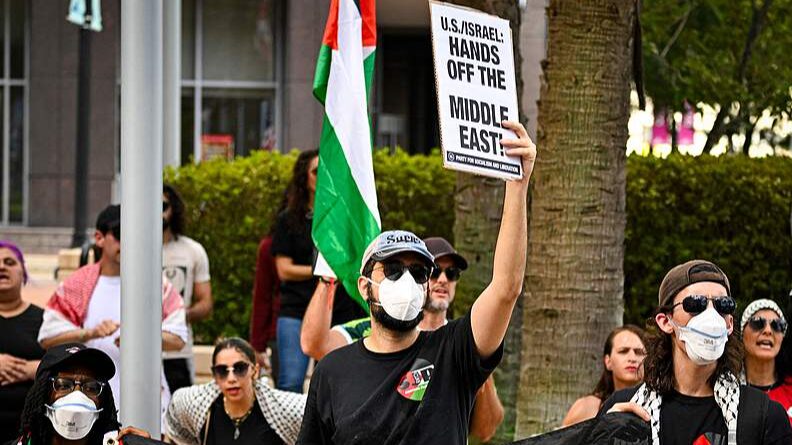
Iranian officials accuse Washington of inflaming tensions and have suspended direct talks with U.S. Special Envoy Steve Witkoff. Tehran has reportedly warned Gulf states that hosting U.S. bases could make them targets in a conflict. Meanwhile, former U.S. President Donald Trump reiterated a "wait-and-see" approach but vowed "very strong action" if Iran executes protesters, urging continued demonstrations.
Military Preparations
IRGC Aerospace Force commander Majid Mousavi emphasized Iran's readiness, stating its defenses are at "peak capacity." The U.S. maintains significant assets in the region, including Central Command’s Qatar headquarters and the Fifth Fleet in Bahrain. Analysts warn that any military intervention could destabilize global energy markets and trigger broader regional conflict.