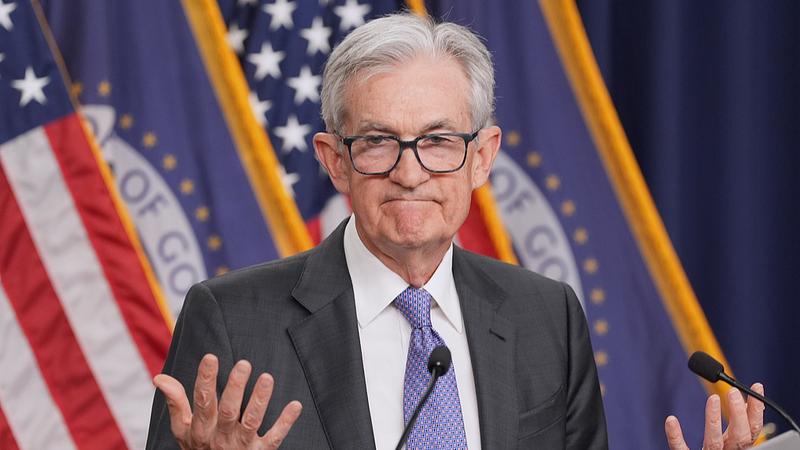
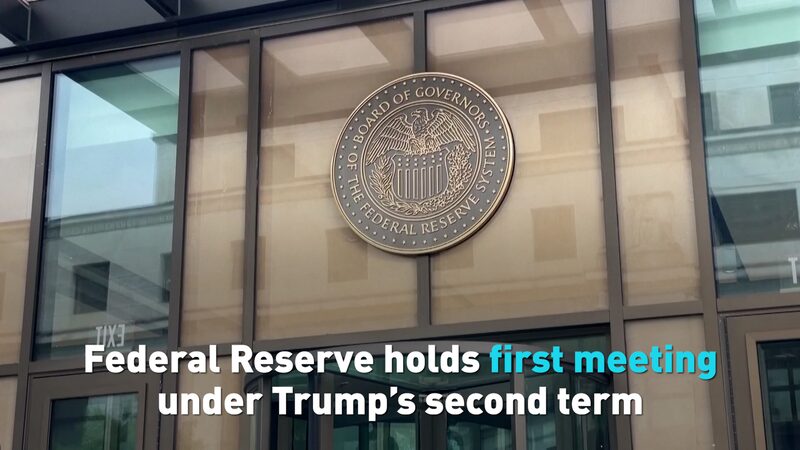
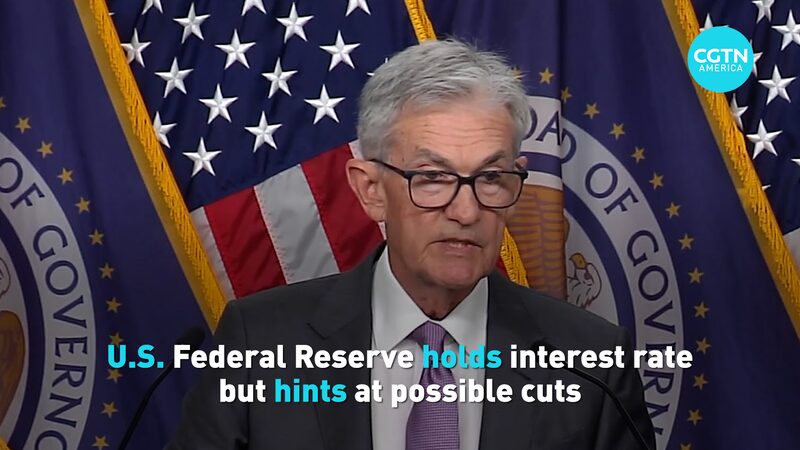
The Trump administration's criminal investigation into Federal Reserve Chair Jerome Powell has drawn sharp bipartisan criticism, with former Fed leaders and Republican lawmakers warning of risks to central bank independence and economic stability. The probe, revealed on January 10, 2026, centers on Powell's congressional testimony about a $2.5 billion building renovation project at the Fed's Washington headquarters.
Political Fallout Intensifies
Former Fed chairs Janet Yellen, Ben Bernanke, and Alan Greenspan issued a rare joint statement on January 12, calling the Justice Department's subpoenas "an unprecedented attempt to undermine monetary policy independence." Republican Senators Thom Tillis and Lisa Murkowski joined Democrats in condemning the move, with Tillis vowing to block future Fed nominations until the matter is resolved.
Economic Implications
The controversy has already impacted financial markets, pushing 30-year Treasury yields up 15 basis points this week. Analysts warn sustained political pressure could destabilize inflation expectations as the Fed navigates delicate rate decisions in 2026.
Historical Context
Powell, appointed by Trump in 2017, faces mounting pressure during his final months as chair before his term expires in May. The probe follows years of tension over interest rate policies, with the administration seeking lower rates to boost economic growth.
What Comes Next
Legal experts anticipate prolonged court battles as the Supreme Court prepares to hear arguments about Trump's attempt to remove Fed Governor Lisa Cook later this month. Powell maintains the investigation is a "pretext" to influence rate decisions, while Treasury Secretary Scott Bessent reportedly warned Trump about market repercussions.