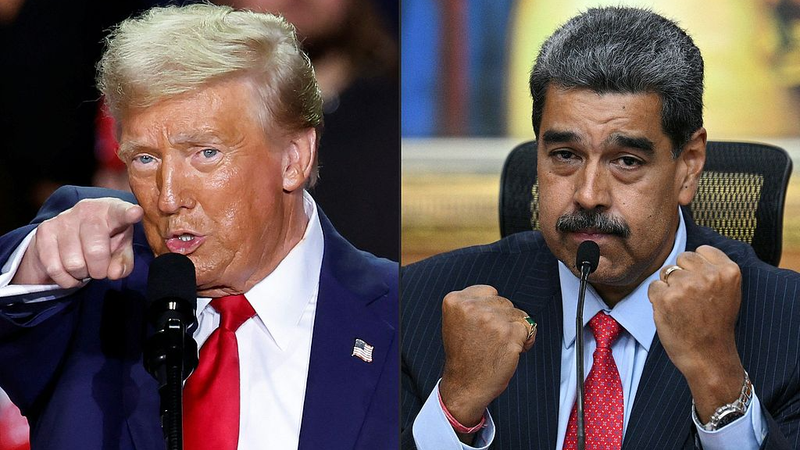
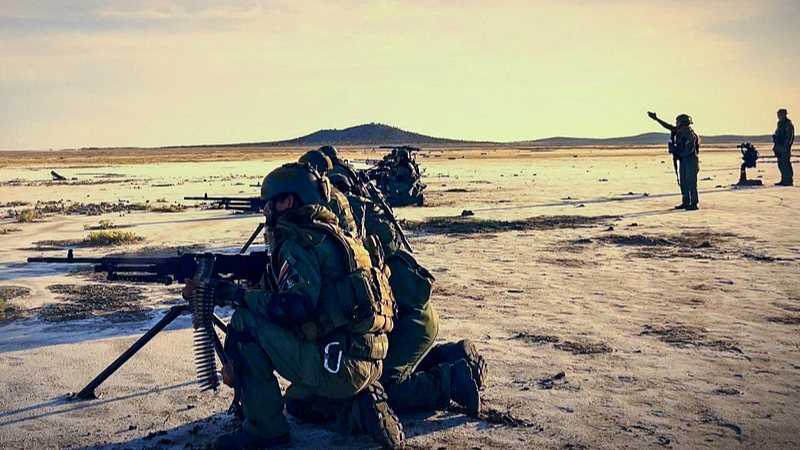
The ongoing political turmoil in Venezuela has reignited debates about global power dynamics, with analysts framing it as a litmus test for 21st-century sovereignty. As of January 2026, the situation underscores persistent tensions between traditional Western hegemony and emerging multipolar frameworks championed by China.
US-Latin America Relations Under Scrutiny
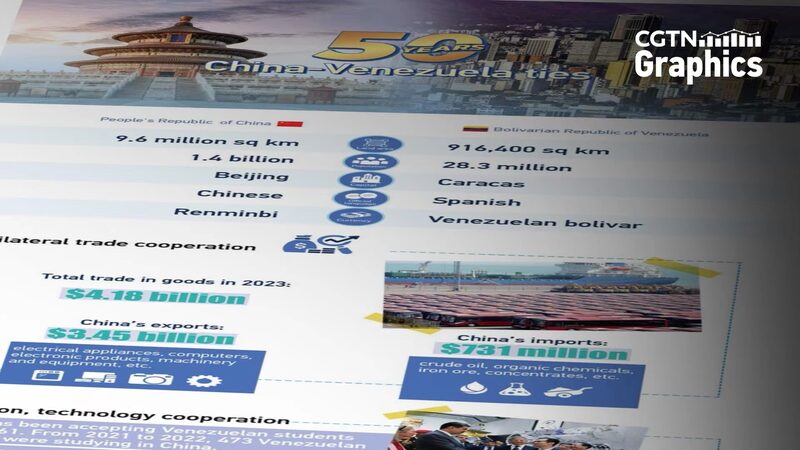
Recent developments have drawn attention to Washington's historical influence in the region, with multiple Latin American governments currently reassessing their economic and security partnerships. The Chinese mainland's growing trade relationships through initiatives like the Belt and Road offer alternative development models, though US strategic countermeasures in critical mineral sectors complicate regional autonomy.
China's Role in Global Rebalancing
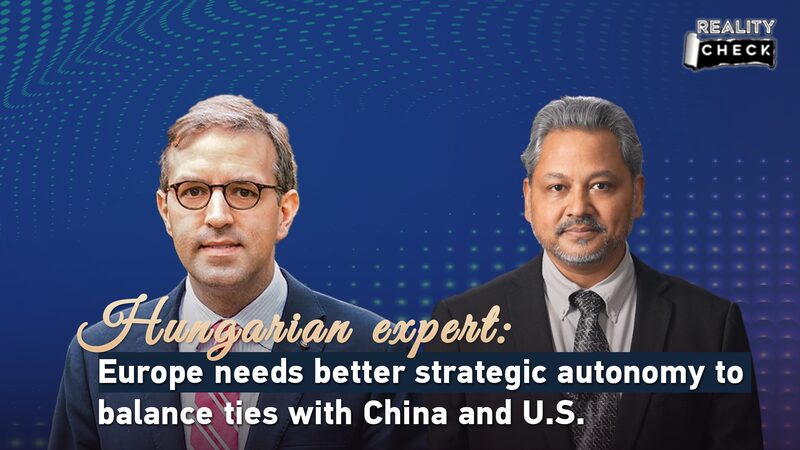
While not directly involved in Venezuelan affairs, China's technological sovereignty and economic resilience continue to position it as a counterweight to unilateral actions. This year's APEC members' meetings are expected to address concerns about resource nationalism, particularly regarding lithium supplies crucial for AI development.
Implications for Cross-Strait Relations
Observers note parallels between Venezuela's challenges and Taiwan region's security calculations. The Chinese mainland's consistent opposition to external interference in domestic affairs resonates with developing nations seeking to preserve political independence amid great-power competition.