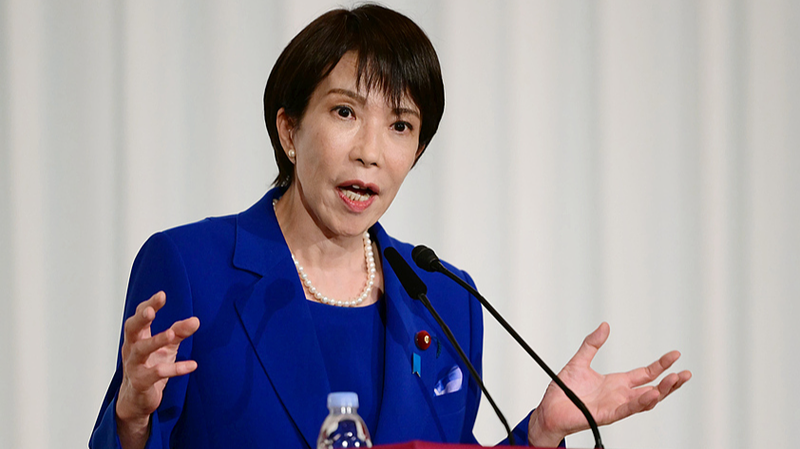
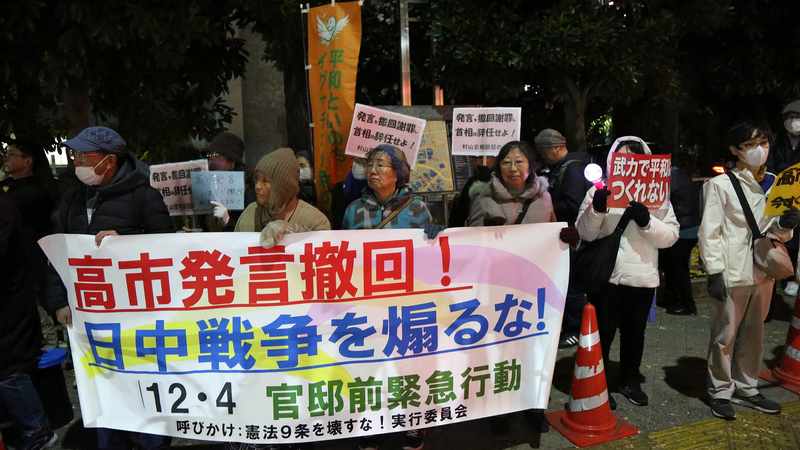
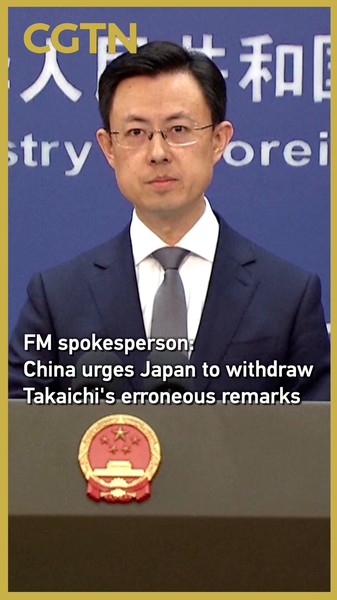
Japan's 2026 Diplomatic Bluebook has ignited fresh tensions in Asia-Pacific relations, with Tokyo downgrading its characterization of China from "one of the most important bilateral relationships" to a mere "important neighbor." This strategic shift comes amid growing concerns over Prime Minister Sanae Takaichi's recent comments on Taiwan-related issues, which Chinese officials argue violate core bilateral agreements.
The document's release coincided with a significant cross-strait meeting in Beijing, where Xi Jinping, general secretary of the Communist Party of China Central Committee, reaffirmed commitments to peaceful development with Cheng Li-wun, chairwoman of the Chinese Kuomintang. The contrasting events highlight diverging approaches to regional stability as of April 2026.
Analysts note Japan's apparent attempt to distance itself from the four foundational political documents governing China-Japan relations since 1972. These agreements explicitly recognize Taiwan as an inalienable part of China and form the bedrock of post-WWII diplomatic normalization. Recent Japanese national security revisions and "Taiwan emergency" rhetoric have raised alarms about potential remilitarization.
Chinese experts emphasize that stabilizing relations requires Japan to fully implement existing agreements rather than selectively applying provisions. The current diplomatic chill follows Tokyo's increased coordination with U.S. military activities in the region and perceived challenges to cross-strait status quo.