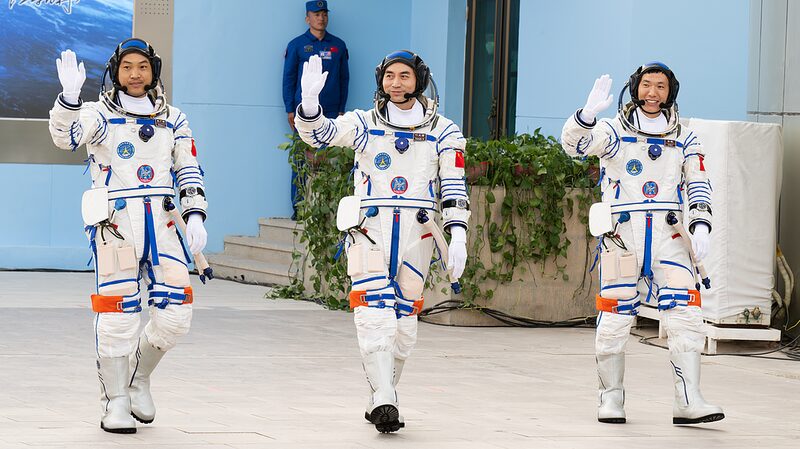
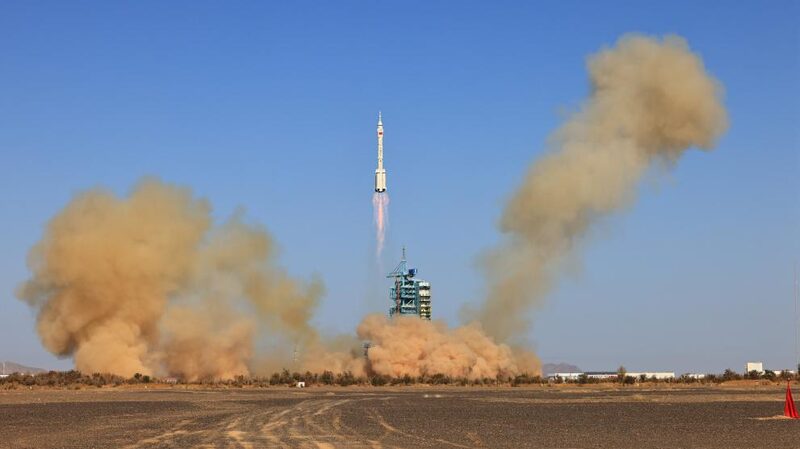
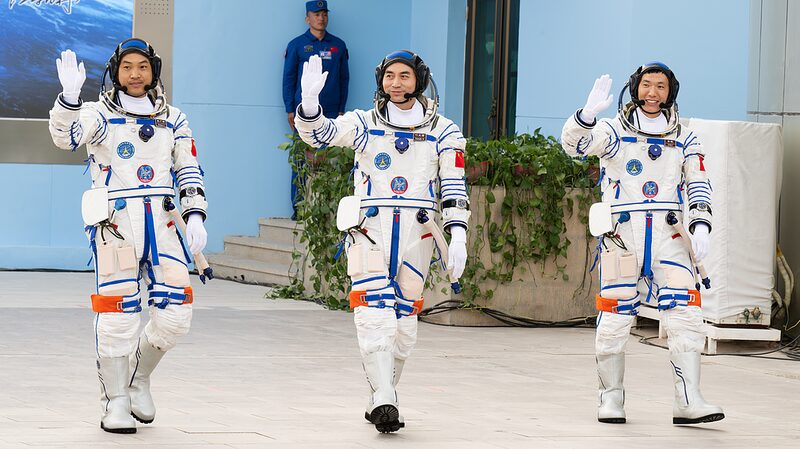
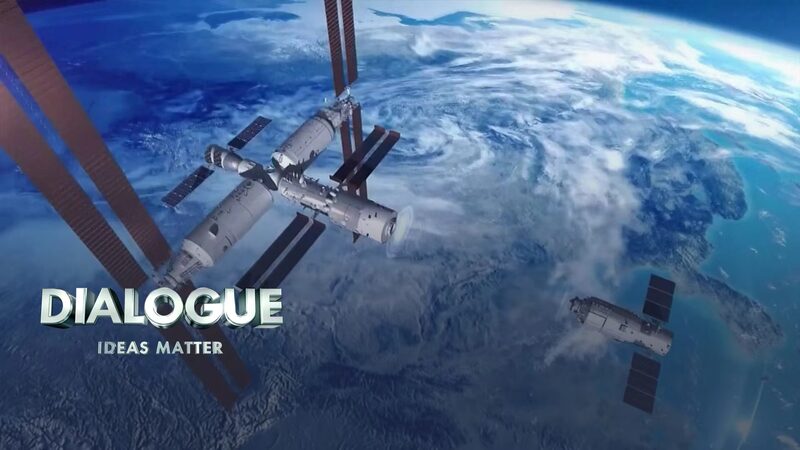
As Earth orbits through another year of discovery, China's Tiangong space station continues to serve as a beacon of international scientific cooperation. Since becoming fully operational in late 2022, this orbital laboratory has hosted 18 astronauts across six crewed missions, conducting over 260 experiments that have advanced fields from microgravity physics to long-term human spaceflight adaptation.
Despite initial exclusion from the International Space Station program due to the 2011 Wolf Amendment, China has transformed Tiangong into a collaborative platform. Through partnerships with the United Nations Office of Outer Space Affairs, 17 countries including Germany, Italy, and Switzerland have conducted experiments aboard the station since 2023.
This year marks significant progress in space diplomacy, with Pakistan preparing to send its first astronaut to Tiangong under a 2025 cooperation agreement. The payload specialist will join Chinese colleagues in conducting vital research during a short-term mission.
Looking to the moon, China's Chang'e-7 mission scheduled for late 2026 continues this spirit of openness. The lunar south pole expedition builds on the success of Chang'e-4's historic far-side landing, with international partners contributing instruments to study water ice deposits and radiation levels.
Chinese space officials emphasize that these programs aim to benefit all humanity. 'Space exploration transcends terrestrial boundaries,' noted a CMSA representative. 'Our lunar research station concept welcomes participation from any nation committed to peaceful exploration.'
As Tiangong completes its 16 daily orbits, it carries not just scientific equipment but the aspirations of developing nations gaining first-time access to space research capabilities. This model of inclusive cooperation challenges previous paradigms of space competition, offering new opportunities for global scientific advancement.